

Basement Crack Injection Guide: Expert Solutions for 2026
Imagine walking into your basement and spotting a new crack stretching across the wall. Is your home’s safety or value at risk? For many, this discovery raises urgent questions.
This guide will demystify basement crack injection, a proven 2026 method for sealing and strengthening your foundation. You will learn how to identify crack types, understand their causes, and choose the best repair strategy.
We will cover injection techniques, step-by-step repairs, prevention tips, and when to call experts. Take control of your property’s future with the latest knowledge in basement crack injection.
Understanding Basement Cracks: Types, Causes, and Risks
Basement cracks are more than just cosmetic flaws—they can signal underlying issues that threaten your home’s safety and value. Before considering basement crack injection, it is crucial to understand the types, causes, and risks associated with these cracks. This knowledge empowers you to make informed decisions and take effective action.
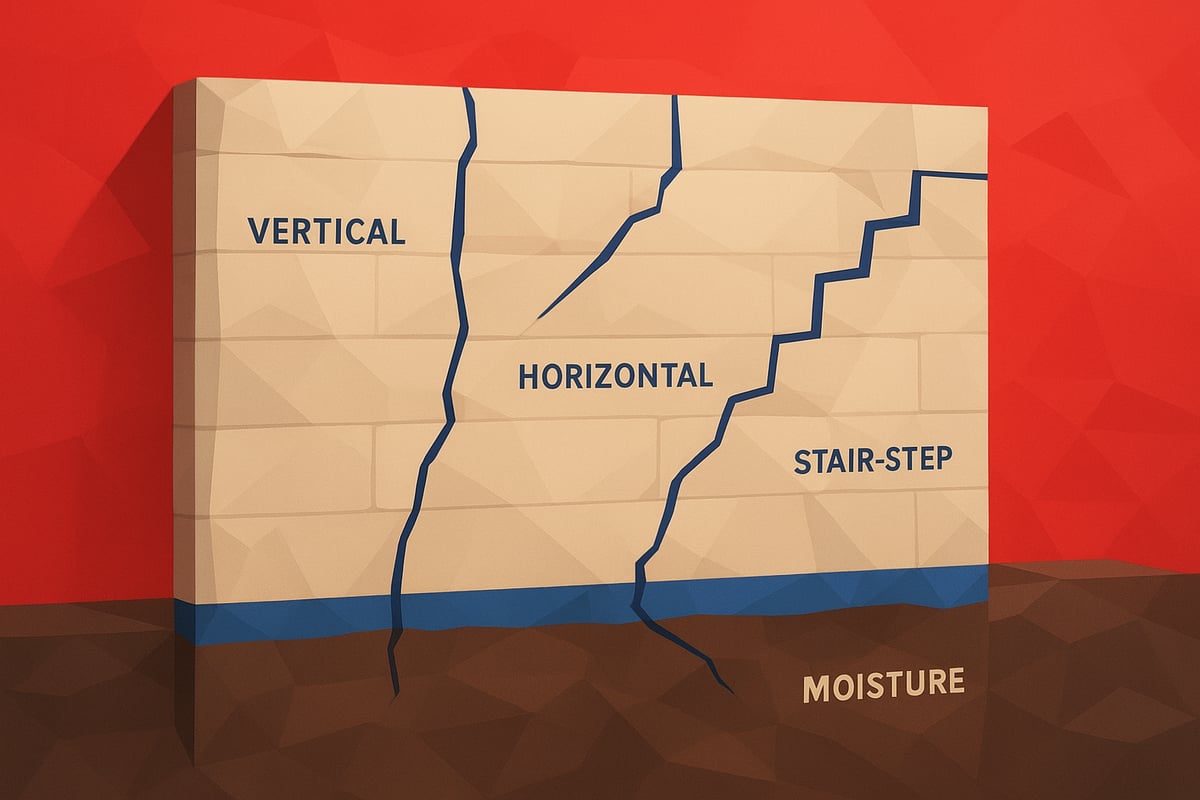
Common Types of Basement Cracks
Basement cracks come in several forms, each with its own implications. The most common types include:
-
Vertical cracks: Typically run straight up and down, often caused by natural concrete shrinkage or minor settling.
-
Horizontal cracks: Stretch sideways, usually indicating pressure from soil or water outside the foundation.
-
Diagonal cracks: Slant across the wall, signaling uneven settlement or shifting.
-
Stair-step cracks: Follow the mortar joints in block walls, suggesting differential movement.
Hairline cracks are thin and may seem harmless, but wide cracks can threaten structural integrity. According to HomeAdvisor (2023), more than 60% of U.S. homes experience some form of basement cracking. For a detailed exploration of these crack types and how to identify them, see the Basement Concrete Crack Guide.
Primary Causes of Basement Cracks
Understanding what causes cracks is essential before choosing a basement crack injection solution. Leading causes include:
-
Soil settlement: As soil beneath your foundation shifts, it creates gaps and stress points.
-
Hydrostatic pressure: Water buildup around the foundation pushes against basement walls.
-
Freeze-thaw cycles: In Colorado, temperature swings cause soil and concrete to expand and contract, leading to cracks.
-
Moisture infiltration: Persistent dampness weakens basement walls.
-
Poor construction and aging materials: Low-quality concrete or outdated building methods increase crack risk.
-
Improper drainage: Gutters and grading that direct water toward the foundation accelerate damage.
These factors often work together, making it critical to address both the symptoms and the root causes when planning basement crack injection.
Risks Associated with Untreated Cracks
Leaving cracks untreated can have serious consequences for your home. The most pressing risks include:
-
Water intrusion: Cracks allow water to seep in, leading to dampness and potential flooding.
-
Mold growth: Moisture creates the ideal environment for mold, which can affect indoor air quality.
-
Structural damage: Over time, cracks can expand, weakening the foundation.
-
Property value loss: Homes with visible cracks can lose up to 10% of their market value.
-
Health risks: Mold spores and excess moisture contribute to respiratory issues.
Prompt basement crack injection not only prevents further damage but also protects your investment and your family’s health.
When a Crack is a Serious Problem
Not all cracks are created equal. Some are minor, while others signal urgent issues. Warning signs that call for immediate attention include:
-
Bowing walls: Indicate significant external pressure.
-
Widening cracks: Suggest ongoing movement or settling.
-
Persistent leaks: Repeated water entry points to a deeper problem.
Inspection reports frequently highlight the difference between minor hairline cracks and major structural fissures. If you notice any of these warning signs, it is time to consider professional basement crack injection to ensure lasting repairs.
The Science Behind Crack Injection: Materials and Methods
Basement crack injection is transforming how homeowners approach foundation repairs in 2026. Understanding the science behind this process is essential for making informed decisions that protect your home’s value and integrity. Let’s explore what sets basement crack injection apart, the materials and methods involved, and why modern advancements matter for lasting results.
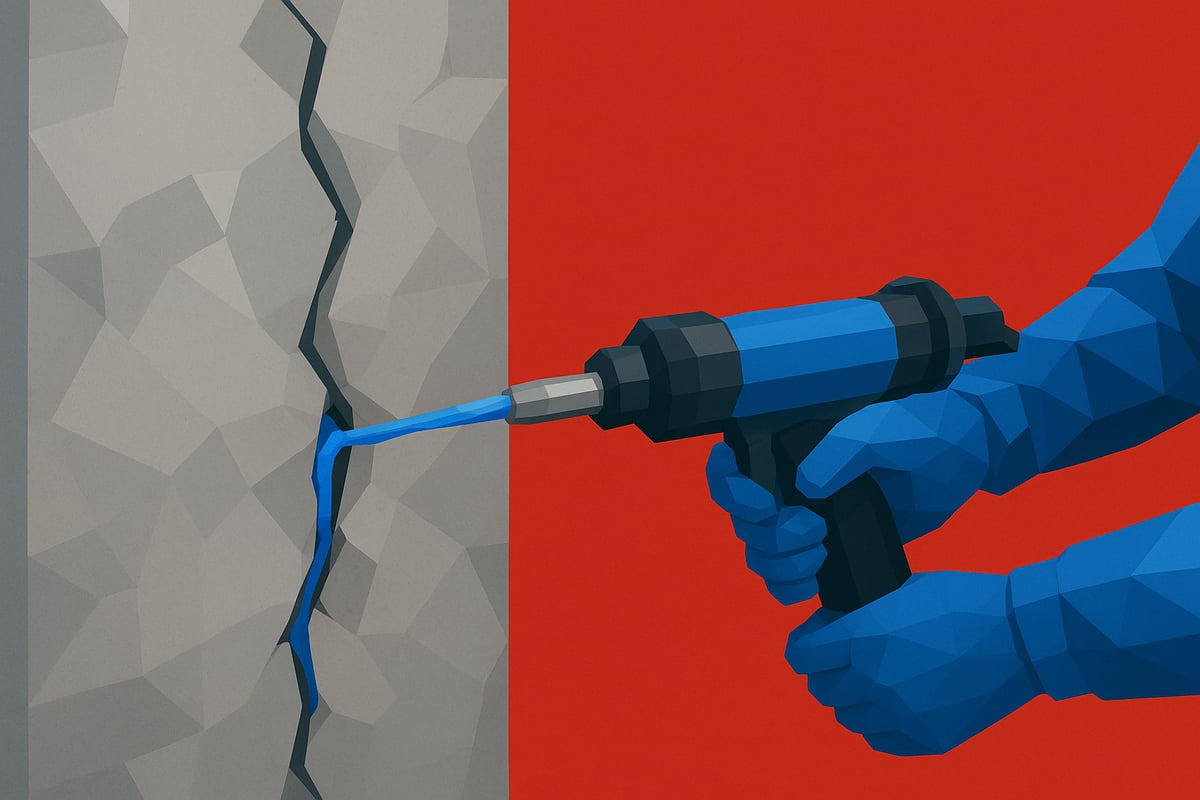
What is Crack Injection?
Basement crack injection is a targeted repair method that involves pumping specialized resins directly into cracks within basement walls or floors. Unlike basic patching, which only covers the surface, this process fills the entire depth of the crack, creating a watertight and sometimes structural seal.
If you are comparing options, professional Basement Crack Repair Solutions offer a more durable approach than traditional surface repairs. The injected material bonds with the concrete, preventing water intrusion and further deterioration. This method is widely used for both new and existing homes, as it addresses the root of the problem, not just the symptoms.
Injection Materials: Epoxy vs. Polyurethane
The effectiveness of basement crack injection depends heavily on the chosen material. The two most common are epoxy and polyurethane, each with unique properties:
|
Property |
Epoxy |
Polyurethane |
|---|---|---|
|
Purpose |
Structural repair |
Water sealing |
|
Flexibility |
Rigid |
Flexible |
|
Best for |
Stable cracks |
Moving cracks |
|
Cure time |
Several hours |
2-8 hours |
Epoxy is best when basement crack injection needs to restore the structural strength of the wall. Its high bond strength makes it ideal for non-active, load-bearing cracks. Polyurethane, on the other hand, expands once injected and is perfect for sealing leaks in cracks that may still be moving. According to industry data, polyurethane is used in 70% of residential basement crack injection repairs for water control.
Modern Injection Techniques for 2026
Advancements in basement crack injection technology are making repairs faster, safer, and more effective. Low-pressure injection is commonly used for narrow or hairline cracks in residential settings, ensuring the resin fills the entire void without damaging the structure. High-pressure injection is reserved for wider, deeper cracks or when immediate sealing is required.
Recent innovations include self-healing polymers that can repair minor future movement and eco-friendly resins that reduce environmental impact. Specialized equipment ensures precise application, minimizing waste and maximizing the lifespan of each basement crack injection.
Safety and Environmental Considerations
Handling chemicals during basement crack injection requires strict attention to safety. Installers must wear protective gear, ensure good ventilation, and use materials with low VOC emissions to protect indoor air quality. In Colorado, local regulations may restrict certain chemicals, making it important to select products that comply with environmental standards.
Proper disposal of leftover materials and cleaning equipment is also a key aspect. Homeowners should verify that any basement crack injection performed meets both safety and environmental guidelines to prevent long-term health risks.
Case Example: Choosing the Right Material
Consider a scenario in Grand Junction where a homeowner discovers an active leak in their basement wall. After a thorough assessment, the professional recommends polyurethane for the basement crack injection. Why? The crack is still moving due to seasonal soil shifts, and polyurethane’s flexibility ensures the repair will adapt over time without failing.
This choice highlights the importance of matching materials and methods to the unique conditions of each basement. With the right approach, basement crack injection delivers a long-lasting solution that stands up to Colorado’s toughest challenges.
Step-by-Step Basement Crack Injection Process
Facing a crack in your basement can be stressful, but understanding the process of basement crack injection puts you back in control. Each step matters for a watertight, lasting repair. Here, we break down the entire repair process into manageable stages, so you know exactly what to expect.
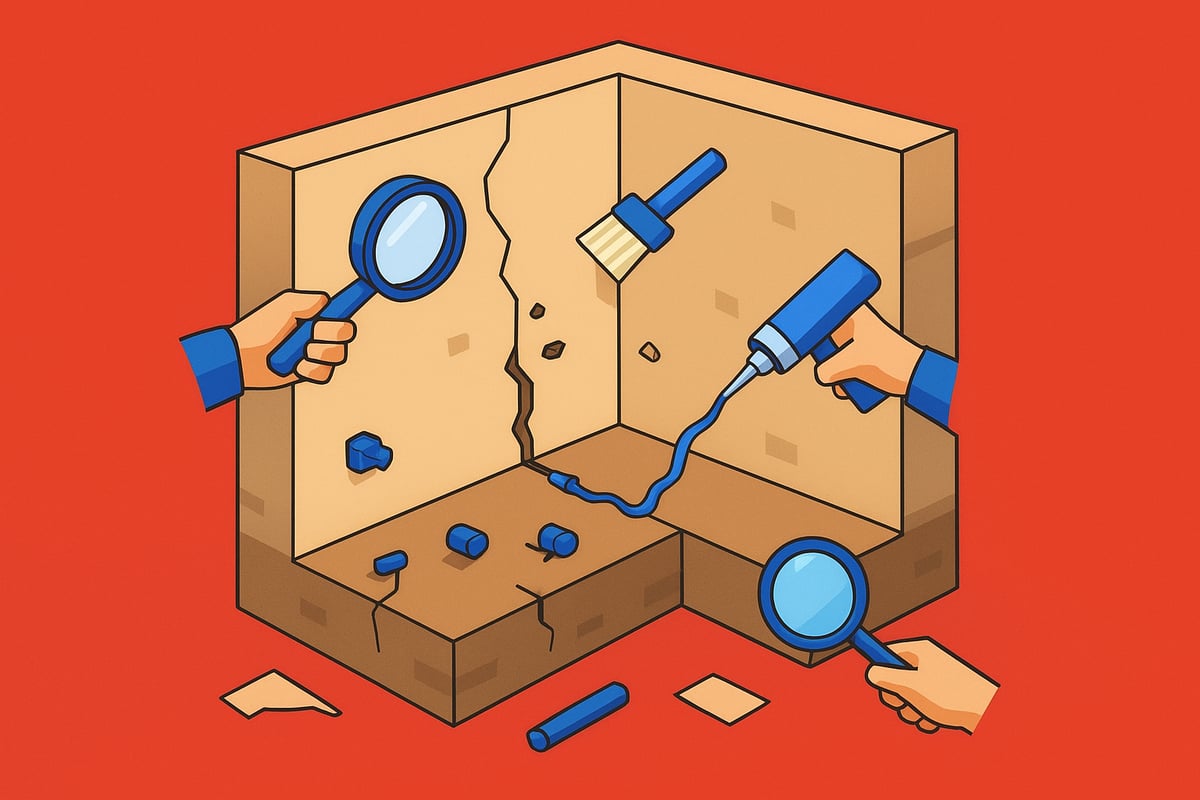
Step 1: Inspection and Crack Assessment
A careful inspection is the foundation of any basement crack injection project. Begin by cleaning the crack area and using a bright flashlight to reveal its full length and width. Moisture meters and crack gauges help measure active leaks or movement.
Look for signs like water stains, efflorescence, or widening cracks. Document their location and characteristics. For more detailed guidance, refer to the Foundation Crack Guide 2026, which offers in-depth strategies for diagnosing foundation issues.
Step 2: Surface Preparation
Proper surface prep ensures the basement crack injection material bonds securely. Remove loose debris using a wire brush, then wash away dust with water and allow the area to dry thoroughly.
Efflorescence, a white powdery deposit, must be scrubbed off to prevent adhesion problems. Skipping preparation can lead to failed repairs. Always double-check that the crack and surrounding concrete are clean and dry before moving on.
Step 3: Setting Injection Ports
Injection ports are small fittings that allow material to penetrate deep into the crack. Space ports 6 to 12 inches apart along the length of the crack, ensuring each section receives the resin.
Ports should be securely attached with an epoxy or fast-setting surface seal. For vertical cracks, start at the lowest point and work upward. This step is essential for full coverage during the basement crack injection process.
Step 4: Sealing the Crack Surface
After port placement, apply a surface sealant over the crack and between ports. This temporary barrier prevents injection material from leaking out and forces it to travel deep inside.
Common surface sealants include fast-curing epoxies or polyurethane pastes. Allow the sealant to cure as per manufacturer guidelines before proceeding. A well-sealed surface is critical for effective basement crack injection.
Step 5: Injecting the Material
Mix the chosen resin—epoxy for structural repairs or polyurethane for active leaks—according to product instructions. Load the material into the injection gun and start at the lowest port for vertical cracks.
Slowly inject the resin until it flows from the next port, then cap the filled port and move up. For horizontal cracks, work from one end to the other. Monitor pressure and flow to avoid overfilling or underfilling sections. This step is where basement crack injection truly seals the voids and restores integrity.
Step 6: Curing and Finishing
Allow the injected resin to cure fully. Modern materials often set within 2 to 8 hours, but always check the product label for exact times.
Once cured, remove the injection ports by twisting or cutting them off. Chip away the surface sealant with a chisel or scraper, then clean the area. The basement crack injection process is nearly complete at this stage.
Step 7: Post-Repair Inspection
Conduct a thorough inspection to confirm the repair’s success. Check for any visible leaks or seepage. Use a moisture meter to detect hidden dampness along the repaired crack.
Document the work, including photos and notes, for warranty or resale purposes. A successful basement crack injection will leave the wall dry, stable, and ready for finishing.
Example Timeline: Complete Injection in a Weekend
Wondering if you can tackle basement crack injection over a weekend? Here’s a realistic timeline:
|
Step |
Estimated Time |
|---|---|
|
Inspection & Assessment |
1-2 hours |
|
Surface Preparation |
1 hour |
|
Setting Injection Ports |
1 hour |
|
Sealing Crack Surface |
1 hour (plus cure) |
|
Injecting Material |
2-3 hours |
|
Curing & Finishing |
2-8 hours (wait) |
|
Post-Repair Inspection |
30 minutes |
Most homeowners can complete basement crack injection in two days, allowing for cure times. For larger or more complex cracks, professional help may be needed to guarantee results.
Preventing Future Basement Cracks: Proactive Strategies
Moisture and foundation movement are persistent threats to basements, but proactive strategies can make a significant difference. Addressing these issues early is the most effective way to minimize the need for basement crack injection and safeguard your property's long-term value.
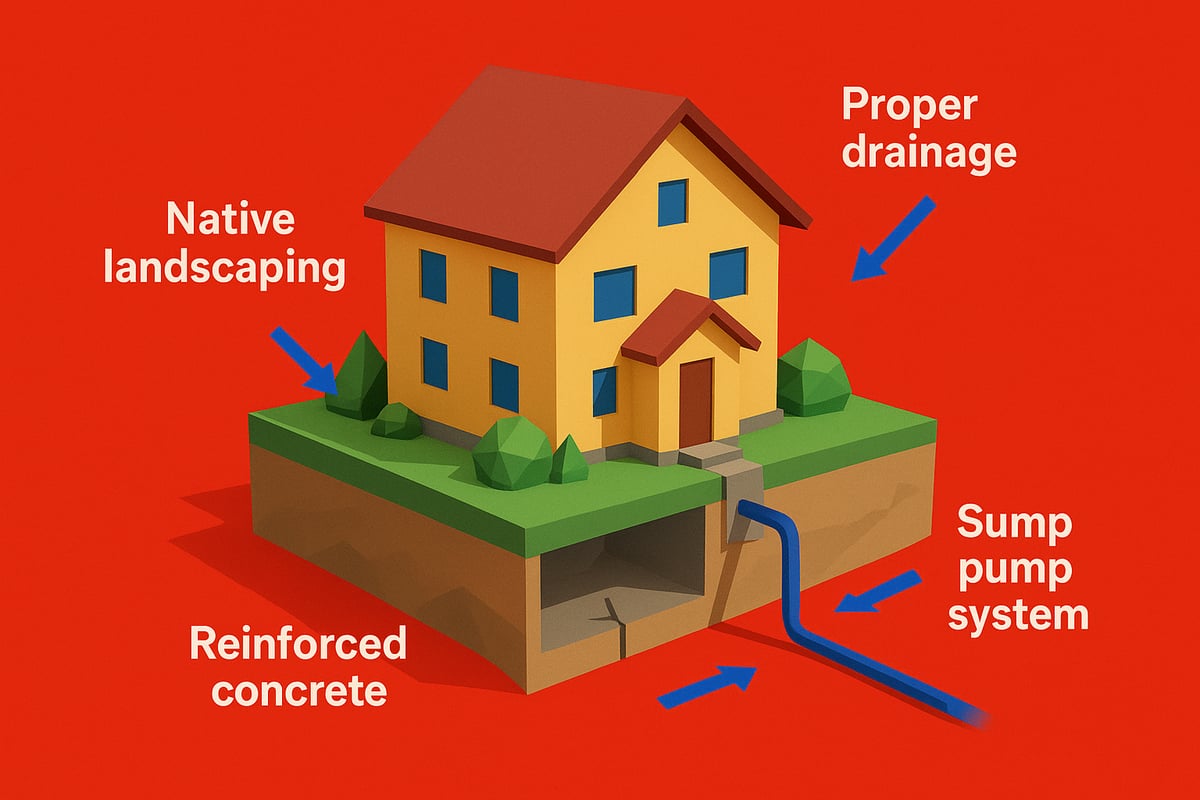
Addressing Drainage and Water Management
Proper water management is the cornerstone of preventing cracks. Even the best basement crack injection will not last if water consistently pools near your foundation. Ensure gutters extend at least six feet from the house, and downspouts direct water away from the perimeter.
-
Slope soil away from the foundation to promote runoff.
-
Install or maintain a sump pump to control groundwater.
-
Use French drains in areas with persistent moisture.
According to Foundation Supportworks, homes with effective drainage see up to 80% fewer recurring cracks. Prioritizing water management reduces both the frequency and severity of future issues.
Soil Stabilization and Landscaping
Colorado’s expansive clay soils are notorious for shifting with changes in moisture. This movement puts pressure on basement walls, increasing the risk of cracks that may eventually require basement crack injection.
-
Plant native grasses or ground covers with deep roots to stabilize soil.
-
Avoid large trees or shrubs near the foundation, as roots can disrupt soil.
-
Use mulch and gravel strategically to moderate soil moisture.
Smart landscaping choices can buffer your foundation from dramatic soil movement, keeping cracks at bay.
Basement Waterproofing Solutions
A holistic approach combines basement crack injection with robust waterproofing. Interior systems, like vapor barriers and drainage channels, complement exterior solutions such as waterproof membranes and coatings.
For a comprehensive overview of methods that work in tandem with crack repairs, visit Basement Waterproofing Methods. Integrating these solutions ensures water does not find its way through old or new cracks.
Pairing waterproofing with injection protects against both future leaks and structural deterioration.
Regular Inspection and Maintenance
Routine checks are vital for catching issues before they escalate. Inspect your basement walls each spring and fall, looking for new or widening cracks, efflorescence, or moisture stains. Early detection lets homeowners use basement crack injection on minor problems, preventing major repairs.
-
Use a flashlight to spot subtle changes.
-
Track crack width with a ruler or gauge.
-
Check sump pumps and drainage systems for proper operation.
A simple inspection checklist can save thousands in repair costs over time.
Upgrading Foundation Materials
Modern building codes and materials provide better defense against cracks. When renovating or building, consider advanced concrete mixes with additives for flexibility and waterproofing. Install reinforcing steel bars where possible to resist soil pressure.
Retrofitting older homes with new materials or supports can reduce the need for basement crack injection in the future. Upgrades are especially valuable in high-risk areas with active soil movement.
Cost-Benefit Analysis: Prevention vs. Repair
Investing in prevention yields significant long-term savings. Consider the following comparison:
|
Approach |
Average Cost |
Frequency |
Impact on Home Value |
|---|---|---|---|
|
Prevention |
$1,000–$5,000 (drainage, waterproofing, landscaping) |
Once or periodic |
Protects value, prevents loss |
|
Repair (per crack) |
$500–$2,500 |
As needed |
May reduce value if visible |
Preventive measures can minimize the need for repeated basement crack injection and help maintain or improve property value. The upfront investment is often far less than the cumulative cost of ongoing repairs and potential loss in resale price.
Innovations and Trends in Basement Crack Injection for 2026
The landscape of basement crack injection is rapidly evolving as new technologies and materials redefine what's possible in foundation repair. Homeowners and industry professionals alike are seeing a wave of innovation that promises more precise, durable, and sustainable solutions for 2026 and beyond.
Smart Monitoring and Detection Technologies
One of the most notable trends in basement crack injection is the rise of smart monitoring tools. Wireless sensors now offer real-time alerts about crack movement, moisture levels, and potential leaks. These devices can be linked to home automation systems, allowing instant notifications on your phone or computer.
This proactive approach helps homeowners catch problems early, reducing the risk of major repairs. By integrating data from multiple sensors, property managers gain a comprehensive view of foundation health, making basement crack injection more targeted and efficient.
Eco-Friendly and Sustainable Injection Materials
Sustainability is becoming a central focus in the basement crack injection industry. Manufacturers are introducing bio-based resins and low-VOC products, reducing environmental impact and improving indoor air quality.
Recent market research shows a significant increase in demand for eco-friendly solutions, with regulatory incentives encouraging adoption. According to the North America Concrete Crack Injection Resin Market, the sector is expected to grow as homeowners and contractors seek greener alternatives that do not compromise on performance.
Advanced Application Equipment
Automation is transforming how basement crack injection is performed. Modern equipment features automated mixing, precise dosing, and robotic arms that can access hard-to-reach areas. These advancements improve both the speed and accuracy of repairs, while minimizing human error.
Some commercial projects now utilize drones and remote-controlled robots for large-scale inspections and injections. For homeowners, this means faster service and more reliable long-term results from basement crack injection specialists.
Data-Driven Repair Planning
Predictive analytics are shaping the future of basement crack injection. By analyzing historical data, climate trends, and sensor feedback, contractors can assess the likelihood of future cracking before it occurs.
This approach allows for preventative maintenance plans tailored to each property. In Colorado, for example, predictive models help anticipate soil movement and freeze-thaw cycles, enabling more resilient foundation repairs and smarter scheduling of basement crack injection services.
Industry Standards and Certification Updates
As technology evolves, so do the standards governing basement crack injection. New ASTM guidelines are being introduced to ensure consistent quality, safety, and environmental compliance.
Technicians are required to undergo updated training and certification, emphasizing the latest in materials science and application methods. This focus on education ensures that homeowners receive repairs that meet or exceed industry benchmarks.
Future-Proofing Your Basement
Looking ahead, future-proofing is a key consideration for anyone investing in basement crack injection. Modern systems are designed to be compatible with upcoming technologies, such as AI-driven diagnostics and automated maintenance alerts.
Choosing adaptable materials and smart monitoring tools today helps protect your home against tomorrow’s challenges. By staying informed about these innovations, homeowners can ensure their basements remain dry, safe, and structurally sound for years to come.
Now that you understand what causes basement cracks and how the latest injection methods can secure your home’s foundation, it’s important to take the next step with confidence. If you’re unsure about the severity of a crack, or just want peace of mind knowing your property is protected for the future, you don’t have to face it alone. With over 20 years of experience and a true understanding of Colorado’s unique soils and climate challenges, Aspen Foundation Repairs is here to offer you expert guidance and solutions tailored to your needs. Ready to get started? Get Free Estimate
