

Foundation Crack Guide: Expert Solutions for 2026 Homes
Foundation crack issues are quickly becoming a top concern for homeowners in 2026, putting both property value and safety at risk. With evolving climate patterns and shifting soil conditions, more homes are experiencing visible signs of foundation distress.
Understanding which cracks are serious, how to repair them, and the best ways to prevent future damage is essential for anyone looking to protect their investment. This expert guide will help you recognize different types of cracks, assess their severity, explore the latest repair options, and implement proven strategies to safeguard your home.
We will cover the most important topics, including types and causes of cracks, inspection tips, repair methods, prevention strategies, and how to know when it is time to call a foundation professional.
Understanding Foundation Cracks in 2026 Homes
Foundation crack issues are becoming a top concern for homeowners in 2026. Modern homes face new challenges as climate shifts and soil conditions evolve. Knowing how to recognize and respond to different foundation crack types is essential for protecting your property’s value and safety. This section will guide you through the most common crack types, their causes, and the key warning signs to watch for.
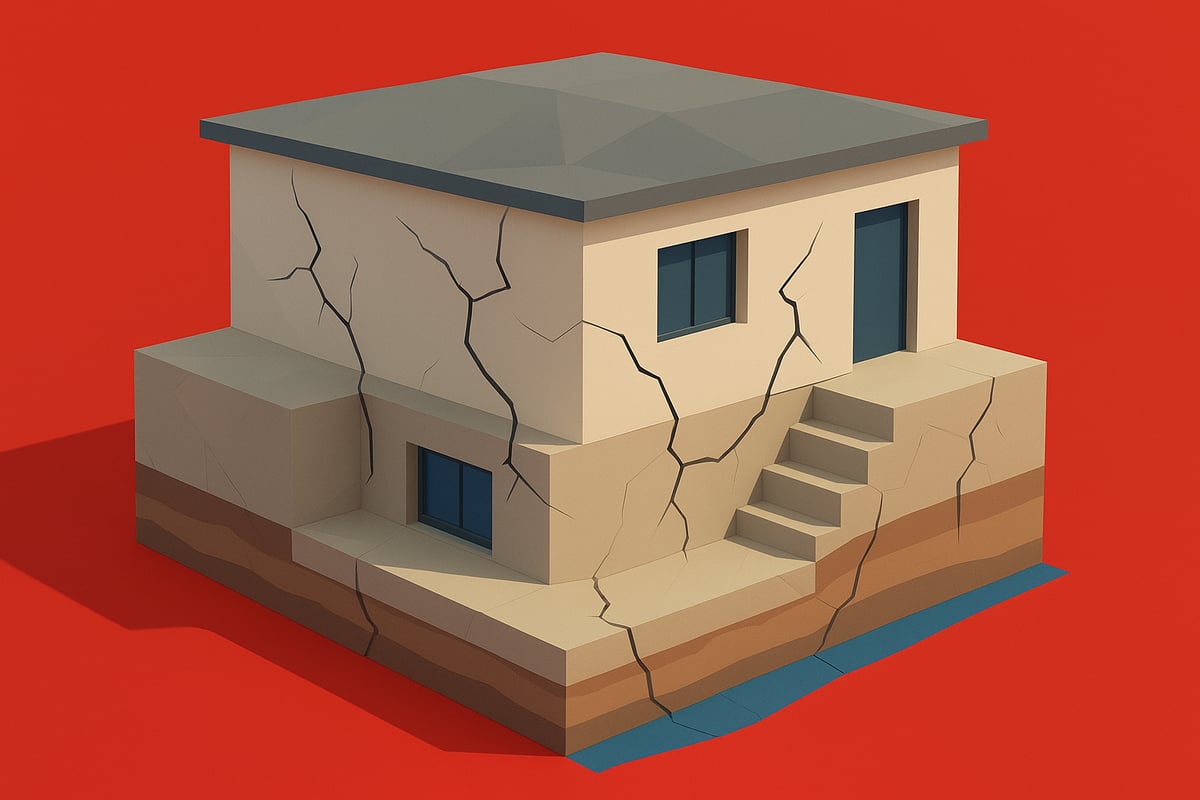
Types of Foundation Cracks
Several types of foundation crack patterns can appear in 2026 homes. Each type provides clues about underlying issues and the urgency of repair. Here are the most common:
-
Vertical cracks: Usually run straight up and down. These are often caused by settling and are sometimes less serious, especially if narrow.
-
Horizontal cracks: Run parallel to the ground and are more concerning. These may signal pressure from soil or water against the wall.
-
Diagonal cracks: Appear at an angle. These can indicate uneven settling or shifting.
-
Stair-step cracks: Common in brick or block foundations, following mortar joints in a stepped pattern.
Cracks may occur on floors or walls. Floor cracks often result from shrinkage or settlement, while wall cracks can suggest shifting or pressure. It is important to distinguish between cosmetic hairline cracks, which are thin and often harmless, and structural cracks, which may be wide, uneven, or growing.
Look for cracks around basement windows and doors, as these areas are especially prone to movement. According to the NAHB, interior slab cracks that exceed 3/16 inch in width or height require repair. Most new concrete foundations will develop some hairline cracks within the first two years.
For a detailed breakdown of basement crack types and repair approaches, consult the Basement crack repair guide.
Causes of Foundation Cracks in Modern Homes
Understanding what causes a foundation crack is the first step to preventing future issues. The main causes include:
-
Soil movement: Expansive clay soils can swell and contract with moisture, exerting pressure on the foundation.
-
Settlement: If the ground beneath a home is not properly compacted during construction, settling can create cracks.
-
Water intrusion: Poor drainage allows water to build up around the foundation, leading to cracks from hydrostatic pressure.
-
Climate change: Increased freeze-thaw cycles, prolonged drought, and heavy rainfall all stress foundations in new ways.
-
Construction quality: Foundations lacking sufficient reinforcement or built with poor workmanship are more likely to crack.
-
Localized challenges: In Colorado, expansive soils and seismic activity add extra risk.
For example, bowing basement walls can result from hydrostatic pressure, while rapid curing of concrete may leave the foundation vulnerable to cracking. The #1 enemy of any foundation is moisture, so effective water management is crucial. In areas like Colorado, foundations must withstand not only soil movement but also seasonal temperature extremes. Understanding these causes helps homeowners identify which foundation crack patterns need immediate attention.
Signs and Symptoms of Foundation Problems
Spotting a foundation crack is not always straightforward. Sometimes, indirect signs are the first warning:
-
Sticking windows and doors that no longer open smoothly.
-
Gaps appearing in base molding or between floors and the baseboard.
-
Floors that slope or feel uneven underfoot.
-
Cracks forming at the corners of doors and windows, or between floors and walls.
-
Bowing or bulging basement walls.
-
Evidence of water seepage or even basement flooding.
-
Mold or musty odors, which often point to hidden moisture issues.
Real-world cases show that it is not uncommon for homeowners to notice four to eight new cracks within the first two years after moving in. It is important to monitor minor cracks for changes, but if you observe multiple warning signs or rapid crack growth, immediate action is necessary to prevent costly damage. Early detection and response to a foundation crack can save thousands in repairs and protect your home’s integrity.
Diagnosing Foundation Crack Severity
Understanding the severity of a foundation crack is essential for protecting your home’s structure and value. An accurate diagnosis helps you decide when monitoring is enough and when immediate action is required. By assessing size, direction, and activity, you can separate minor issues from serious threats.
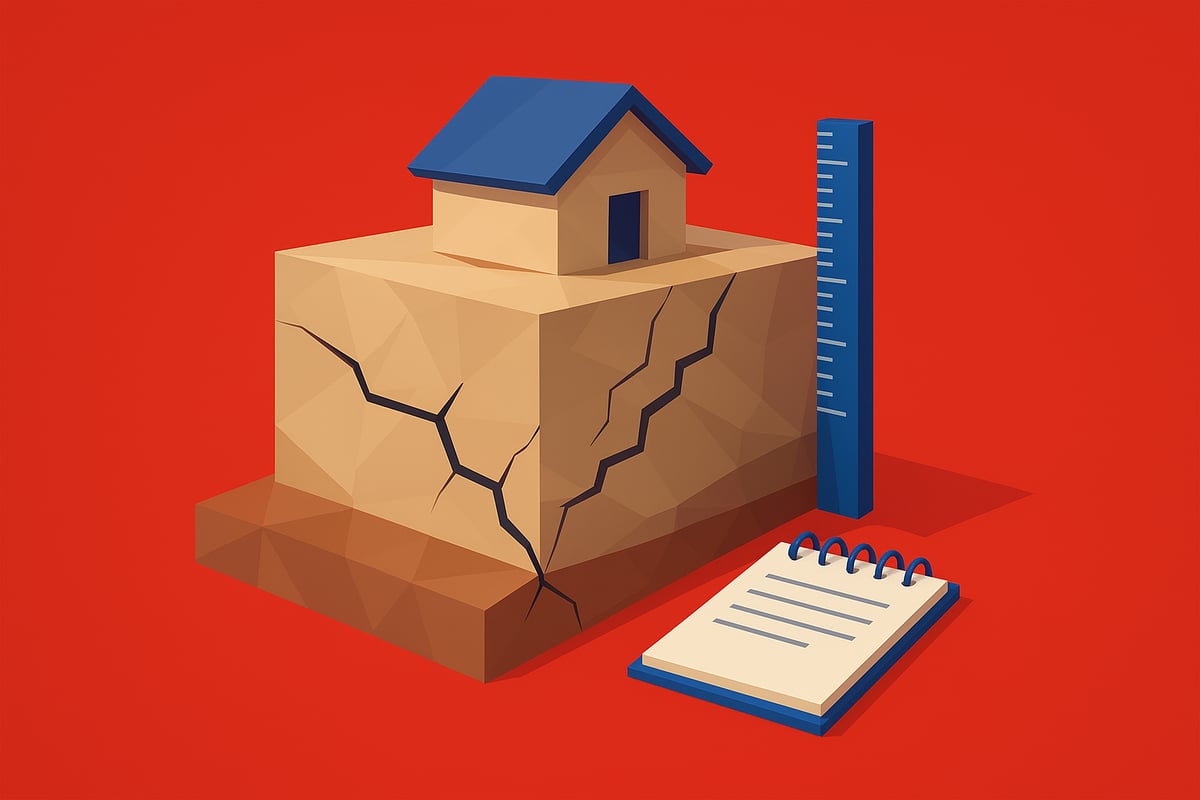
How to Assess Crack Size, Direction, and Activity
Begin by carefully measuring each foundation crack. Use a ruler, caliper, or a crack monitor to record the width. Cracks are categorized as hairline (less than 1/16 inch), moderate (1/16 to 1/4 inch), or major (over 1/4 inch). Mark the ends of the crack with tape and date them to track any changes over time.
Direction matters. Vertical cracks are common and often less concerning, while horizontal cracks can signal serious movement. Diagonal and stair-step cracks may indicate uneven settling. Use mobile apps or simple spreadsheets to log observations and spot growth trends.
To determine if a foundation crack is active or dormant, check for changes in length or width over several months. If a coin fits into the crack, it likely warrants professional attention. Remember, structural cracks often feel uneven to the touch and may exceed 1/4 inch in width.
Table: Crack Width Categories
|
Type |
Width Range |
Concern Level |
|---|---|---|
|
Hairline |
< 1/16 inch |
Usually cosmetic |
|
Moderate |
1/16–1/4 inch |
Monitor closely |
|
Major |
> 1/4 inch |
Likely structural |
Structural vs. Non-Structural Cracks
Non-structural foundation cracks are mostly cosmetic, appearing as surface lines that do not impact the building’s stability. These often occur from concrete shrinkage or minor settling and do not show movement or displacement.
Structural cracks, on the other hand, indicate movement or stress within the foundation. Warning signs include uneven walls, displacement, or cracks wider than 1/4 inch. Horizontal cracks are particularly concerning, as they often point to pressure from soil or water.
Visual cues help you differentiate between the two. Vertical cracks are often less severe, but if they widen or show vertical displacement, they can become structural. For a deeper dive into common wall issues, visit Understanding foundation wall problems for more examples and visual references. When in doubt, consult a structural engineer or foundation specialist.
When to Worry: Red Flags That Require Immediate Attention
Certain symptoms call for immediate action. If you notice a foundation crack that is rapidly growing, or new cracks appearing frequently, it’s time to act. Horizontal cracks, especially when combined with bowing or bulging walls, are major red flags.
Water leakage through cracks, persistent dampness, or visible mold are additional warning signs. Multiple issues, such as sticking doors, sloping floors, and cracks both inside and outside, point to active structural movement.
Industry guidelines recommend repair if a crack exceeds 3/16 inch or shows vertical displacement. For example, a foundation wall crack wider than 1/4 inch with visible shifting should be addressed by a professional right away. Document changes and seek expert help to protect your home’s safety and value.
Expert Foundation Crack Repair Solutions for 2026
Addressing a foundation crack early can save you thousands in future repairs and protect your home’s structural integrity. With advancements in materials and technology, homeowners now have more options than ever to tackle these issues effectively.
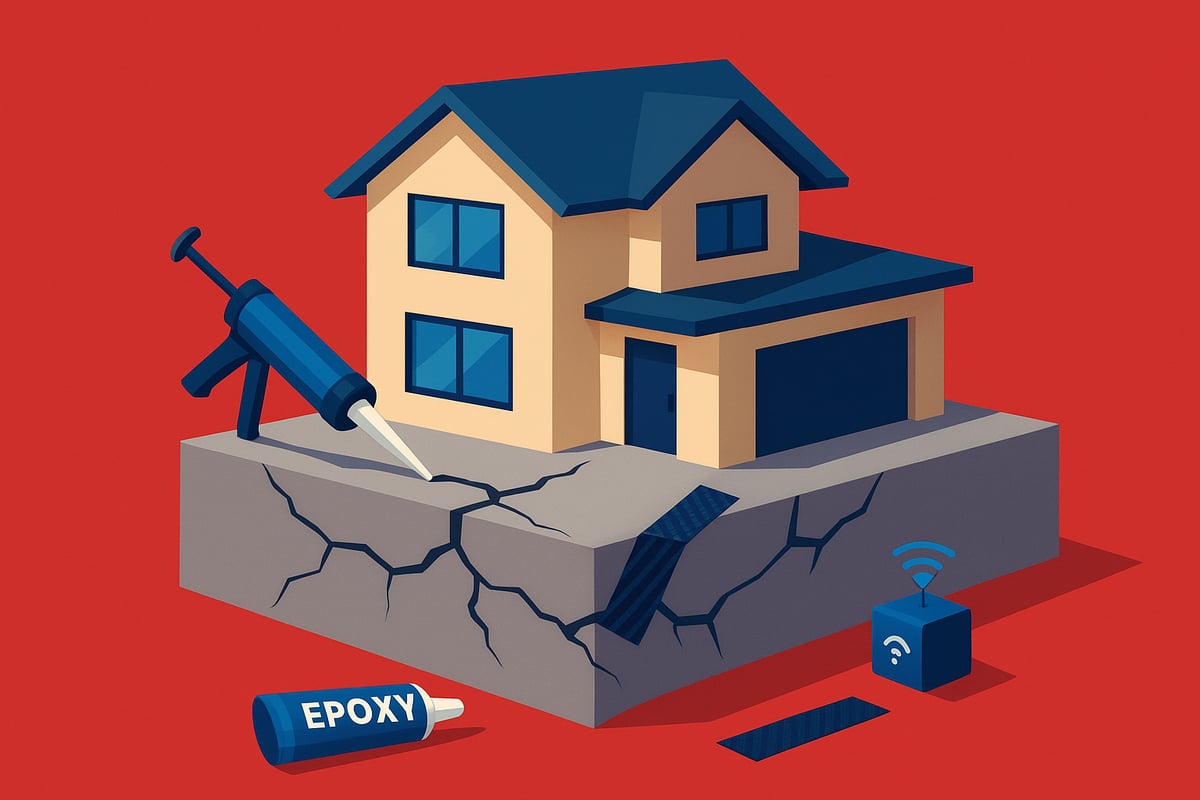
DIY Repairs for Minor Foundation Cracks
Not every foundation crack signals disaster. Many hairline or non-structural cracks are common in new homes and can be managed safely with DIY methods. The key is to determine if the crack is truly minor—look for cracks that are less than 1/16 inch wide, show no signs of growth, and do not leak water.
For these situations, epoxy injection kits, polyurethane foam, or hydraulic cement are effective solutions. Always start by cleaning the crack thoroughly to remove dust and debris. Next, apply the chosen sealant carefully, ensuring it fills the entire void. Some products are designed for vertical cracks, while others work on horizontal or diagonal lines.
Step-by-step process:
-
Clean the crack with a wire brush and vacuum.
-
Mix and apply the epoxy, foam, or cement according to manufacturer instructions.
-
Allow the repair to cure fully before painting or finishing.
-
Monitor the area for any changes over the next few months.
Safety is crucial. Wear gloves, eye protection, and work in a well-ventilated area. DIY repair is only suitable for cracks that are not actively growing, have no water leakage, and show no signs of structural movement. For example, filling a 1/16 inch vertical crack near a window with injection foam is a safe solution.
Remember, if a foundation crack starts to widen or if new cracks appear, professional assessment is recommended.
Professional Structural Crack Repair Methods
Some foundation crack problems require more than a simple patch. Cracks wider than 1/4 inch, horizontal cracks, or those accompanied by bowing walls and water intrusion should be evaluated and repaired by professionals. These issues may indicate significant structural movement or moisture problems.
Professional repair solutions vary based on the severity and type of foundation crack. Common techniques include epoxy injection for structural bonding, carbon fiber reinforcement to stabilize walls, wall anchors for bowing walls, and underpinning for foundation settlement. Exterior waterproofing using commercial-grade membranes, such as Hydro Guard, provides additional protection against moisture.
Interior options may involve wall stabilization systems, sump pump installation, or improved drainage to prevent water from exacerbating existing cracks. Costs can range from $4,000 to $5,000 for standard repairs, rising to $10,000 or more for major structural work.
For a comprehensive overview of available repair solutions, homeowners can review the Foundation repair solutions overview to better understand which methods address their specific foundation crack concerns.
A typical scenario might involve a bowing basement wall stabilized using wall anchors and waterproofed from the exterior, preventing further movement and moisture intrusion. Prompt action ensures the foundation crack does not lead to more extensive and costly repairs.
Modern Innovations in Foundation Crack Repair
Foundation crack repair in 2026 benefits from a wave of technological advancement. New flexible sealants and advanced epoxies provide longer-lasting, adaptable repairs that withstand soil movement and climate fluctuations. Smart monitoring systems now allow homeowners to track cracks in real time, using digital sensors that send alerts if movement is detected.
Remote crack monitoring and mobile apps have made it easier to document changes and share data with repair professionals. Eco-friendly waterproofing products, made from sustainable materials, are increasingly popular for homeowners who want to minimize environmental impact.
Integration with smart home systems means you can receive notifications about moisture levels or foundation movement directly on your phone. For instance, one Colorado homeowner installed wireless sensors that detected minor shifts, prompting early intervention before a foundation crack worsened.
These innovations not only make repairs more effective, but also give homeowners peace of mind. The ability to catch changes early and respond quickly helps prevent small cracks from becoming major headaches.
Aspen Foundation Repairs: Local Expertise in Colorado Foundation Repair
When it comes to foundation crack repair, local experience makes a difference. Aspen Foundation Repairs offers specialized solutions tailored to Colorado’s unique soil and climate challenges. With over 20 years of experience, their team understands the intricacies of expansive clay soils, freeze-thaw cycles, and regional seismic activity.
Aspen Foundation Repairs provides a full suite of services, including crack repair, bowing wall correction, mold remediation, and complete foundation replacement. Each project starts with a free consultation and a custom repair plan, ensuring that solutions are designed for your home’s specific needs.
Homeowners in Mesa County and surrounding areas trust Aspen Foundation Repairs for their expertise and use of industry-leading products. Their reputation is built on lasting results, transparent communication, and a commitment to customer satisfaction.
If you are facing persistent foundation crack issues or want to prevent future problems, Aspen Foundation Repairs stands ready to help you protect your investment and restore your peace of mind.
Preventing Foundation Cracks in New and Existing Homes
Protecting your home from foundation crack issues begins with a proactive approach. Whether you are building a new house or maintaining an existing one, proper strategies make all the difference. By following best practices and addressing local risks, you can minimize costly repairs and preserve your property’s value.
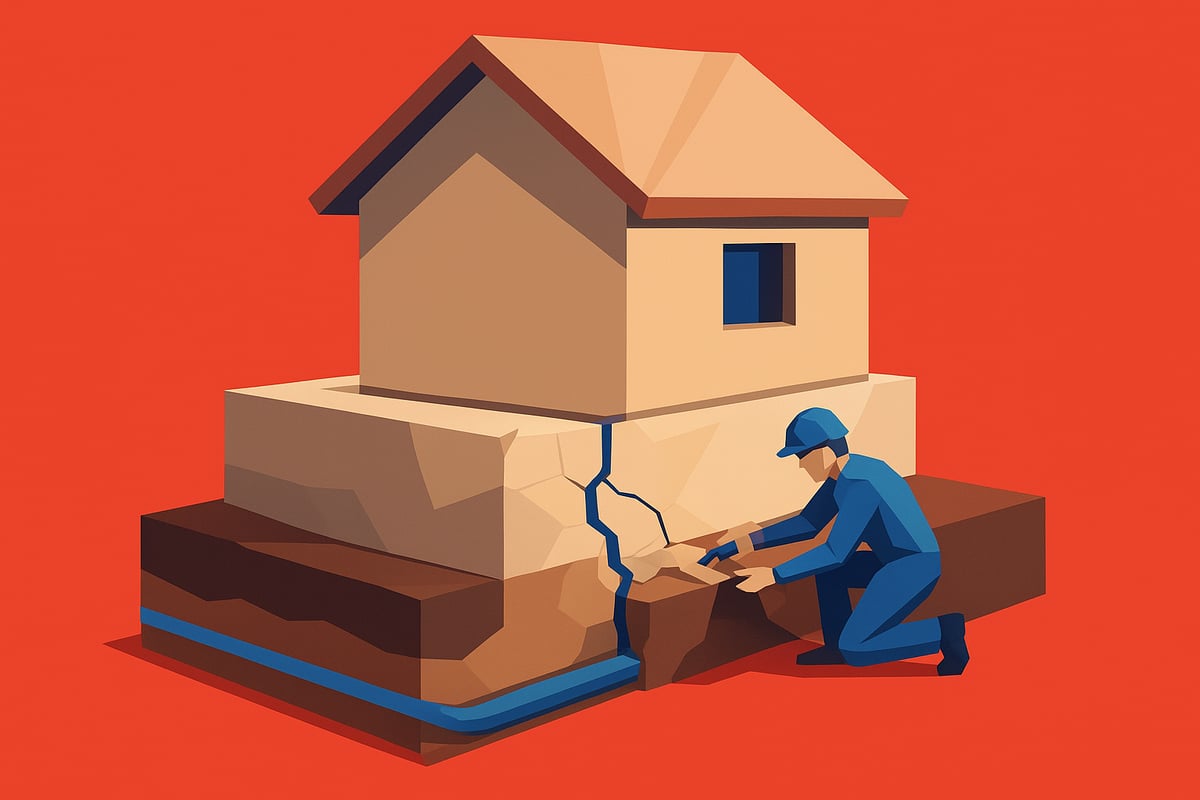
Best Practices for New Construction
Preventing foundation crack problems starts at the blueprint stage. Builders should always conduct thorough site assessments, including soil testing to identify expansive clay or unstable ground.
Proper grading ensures water flows away from the home, reducing the risk of moisture-related damage. Compaction of soil before pouring the slab is essential to avoid settlement issues. During the concrete curing process, managing moisture levels prevents shrinkage cracks.
Reinforcement is another critical step. The use of steel rebar, control joints, and vapor barriers strengthens the foundation and limits movement. Waterproofing systems, such as exterior membranes and drainage tiles, provide an extra layer of protection against water intrusion.
For example, many Colorado builders now install perimeter drains and waterproof membranes as standard practice. These measures make a significant difference in long-term foundation crack resilience.
Maintenance Tips for Existing Homes
Ongoing maintenance is key to reducing foundation crack risks in older homes. Begin with regular inspections of foundation walls and floors. Look for new or widening cracks, especially after heavy rainfall or seasonal changes.
Maintain effective drainage by cleaning gutters, extending downspouts, and ensuring soil slopes away from the foundation. Interior humidity control is important as well. Use dehumidifiers in basements and repair any plumbing leaks promptly.
Landscaping choices play a role. Avoid planting trees or large shrubs too close to the foundation, as roots can disturb soil stability. Create a seasonal checklist for spring and fall to review the property and address small issues before they escalate into a major foundation crack problem.
Addressing Local Climate and Soil Challenges
Every region faces unique challenges, and Colorado homeowners are especially familiar with expansive clay soils, freeze-thaw cycles, and occasional seismic activity. These factors can accelerate foundation crack formation if not managed properly.
Tailored solutions include using flexible sealants that move with the structure, as well as soil stabilization techniques like moisture management. For instance, a homeowner in Grand Junction might install a smart irrigation system to prevent soil from drying out and shrinking. Leveraging local expertise ensures that repairs are durable and appropriate for the area’s conditions.
Consulting with a specialist who understands Colorado’s soil composition and weather trends is critical for long-term foundation crack prevention.
The Cost of Neglect: Risks of Ignoring Foundation Cracks
Ignoring a small foundation crack can lead to significant structural problems over time. Even a minor fissure can allow water to seep in, resulting in mold growth, basement flooding, and persistent odors.
Repair costs escalate quickly. What could have been a simple fix may turn into a $10,000 or more project if left untreated. Insurance often excludes gradual foundation damage, so homeowners bear most of the expense. For a detailed breakdown of financial risks, see Foundation repair costs explained.
Consider this real-world scenario: a homeowner postponed acting on a few hairline cracks, only to face extensive repairs and decreased property value a few years later. Early intervention is always the best defense against foundation crack disasters.
When to Call a Foundation Repair Specialist
Not every foundation crack is a cause for panic, but knowing when to bring in a professional is vital for protecting your home’s safety and value. Timely intervention can mean the difference between a manageable repair and a major structural crisis. Here’s how to tell when expert help is needed, what to expect from an inspection, and how to choose the right contractor.
Signs You Need Professional Help
Certain warning signs indicate it’s time to consult an expert about your foundation crack concerns. These red flags should never be ignored:
-
Multiple cracks, especially if they are widening or appearing in stair-step or horizontal patterns
-
Persistent water intrusion, dampness, or visible mold in the basement
-
Bowing or bulging foundation walls, or floors that are no longer level
-
Doors or windows that stick, won’t close, or show uneven gaps
-
Cracks with vertical displacement or visible shifting of the wall or floor
-
Recurring foundation crack issues, even after DIY repairs
If you notice any combination of these symptoms, it’s best to act quickly. Delaying a professional assessment could result in escalating damage and higher repair costs. Monitoring a foundation crack is only appropriate if it remains unchanged, but rapid progression or multiple issues demand immediate expert attention.
What to Expect from a Professional Inspection
When you schedule a foundation crack inspection, a qualified specialist will perform a comprehensive evaluation of your home’s structure. The process typically includes:
-
A thorough visual inspection of all foundation walls, floors, and exterior surfaces
-
Detailed measurements of each foundation crack, using calipers or crack monitors
-
Moisture testing to identify hidden leaks or sources of water intrusion
-
Soil analysis to assess compaction, drainage, and potential movement
-
Structural evaluation of load-bearing elements and overall stability
After the assessment, the inspector will provide a clear diagnosis, explain the root causes, and outline recommended repair options. You’ll receive a written estimate, a timeline, and details about warranties and repair methods. For a deeper understanding of typical repair costs and influencing factors, review the Foundation Repair Cost Statistics 2025 for up-to-date national data.
A professional inspection gives you the clarity and confidence to move forward with the right solution for your foundation crack problem.
Choosing the Right Foundation Repair Contractor
Selecting a reputable contractor is the final step to resolving your foundation crack issues. Look for these key qualifications:
-
Proper licensing and insurance for your region
-
Extensive experience working with local soil and climate conditions
-
Positive reviews, references, and industry certifications
-
Transparent pricing, free estimates, and detailed written contracts
-
Warranty coverage for both labor and materials
Ask about their experience with similar foundation crack repairs, the products they use, and their process for ongoing support. Local knowledge is crucial, especially in areas with challenging soil or weather patterns. Taking time to vet your contractor ensures your home receives the best possible care and long-term protection.
Foundation Crack Repair Costs and Financing Options
Understanding the cost of repairing a foundation crack is essential for homeowners planning maintenance or urgent fixes. Costs can vary widely, depending on the specifics of the issue and the chosen solution. Let’s break down what influences pricing, what you can expect to pay in 2026, and how to manage expenses wisely.
Factors Influencing Repair Costs
Several factors determine the final price tag for fixing a foundation crack. The severity and type of the foundation crack play a central role. Cosmetic cracks are typically less expensive to address, while structural issues demand more advanced solutions.
The repair method chosen, such as DIY sealants versus professional epoxy injections or wall anchors, directly impacts costs. Accessibility also matters. Repairs involving exterior walls, landscaping, or excavation require more labor and materials. The size of the affected area, whether it’s a single crack or a whole wall, is another critical consideration.
Local labor rates and material costs can fluctuate based on region. According to the Foundation Repair Services Market Report 2023, demand for foundation repair services is on the rise, influencing pricing trends across the industry.
Typical Price Ranges for 2026
Anticipating foundation crack repair costs in 2026 helps homeowners set realistic budgets. Small, hairline foundation crack repairs generally fall between $300 and $800, especially if handled as a minor professional or DIY project.
Structural repairs for more serious foundation crack issues typically range from $4,000 to $5,000. If the damage is extensive, such as requiring underpinning or major stabilization, expenses can climb to $10,000, $20,000, or more. Waterproofing exterior walls with commercial-grade membranes may cost about $200 to $250 per 20 feet.
|
Repair Type |
Typical Cost (2026) |
|---|---|
|
Hairline crack (DIY) |
$300–$800 |
|
Structural repair |
$4,000–$5,000 |
|
Major repair |
$10,000–$20,000+ |
|
Waterproofing (20 ft) |
$200–$250 |
These figures are based on current industry averages and competitor analysis. Always get multiple estimates for your foundation crack repair.
Financing and Insurance Considerations
Foundation crack repairs can represent a significant financial investment. Many contractors understand this and offer flexible financing options that allow you to spread payments over several months or years.
Insurance may cover your foundation crack if the damage results from a sudden, covered event. However, most policies exclude gradual settlement, water intrusion, or neglect. That’s why early intervention is important—addressing a foundation crack promptly can keep costs manageable.
For example, some homeowners use financing plans to repair and waterproof a basement after an inspection reveals a growing foundation crack issue. Review your policy details and discuss payment options with your contractor before work begins.
Maximizing ROI: Protecting Your Home’s Value
Timely foundation crack repairs are crucial for maintaining your property’s value and preventing expensive complications. When you address issues early, you avoid larger structural problems that can escalate repair costs.
Keep thorough documentation of all repairs and inspections. This paperwork is valuable when selling your home, as buyers appreciate proof that foundation crack concerns were handled by professionals. Ongoing maintenance, such as seasonal inspections and drainage improvements, also helps safeguard your investment.
A proactive approach not only preserves your home’s value but also delivers peace of mind, knowing that your foundation is stable and protected for years to come.
You’ve now learned how foundation cracks can threaten your home’s safety and value, especially with Colorado’s challenging soil and climate. It’s reassuring to know that you don’t have to figure this out alone. With over two decades of local expertise, Aspen Foundation Repairs understands exactly what your home needs—whether it’s a quick fix for a minor crack, a full structural solution, or prevention strategies for lasting peace of mind. If you’re noticing any warning signs or just want a professional opinion, let’s take the next step together.
Get Free Estimate
