

Basement Concrete Crack Guide: Expert Solutions for 2026
Did you know that more than 60% of American homes will face a basement concrete crack during their lifetime? As we move into 2026, this issue is becoming a growing concern for homeowners who want to protect their property and investment. Left unchecked, a basement concrete crack can threaten both your home’s value and your family’s safety.
This expert guide delivers the latest solutions for identifying, diagnosing, and repairing any basement concrete crack. You will discover the causes, types of cracks, how to assess severity, repair options, prevention strategies, and when to call a professional. Take action now to safeguard your foundation and enjoy lasting peace of mind.
Understanding Basement Concrete Cracks: Causes and Risk Factors
Basement concrete crack issues can be alarming, but understanding their origins is the first step to effective prevention and repair. Homeowners often encounter cracks for a variety of reasons, each with unique implications for the safety and longevity of their property.
Common Causes of Basement Concrete Cracks
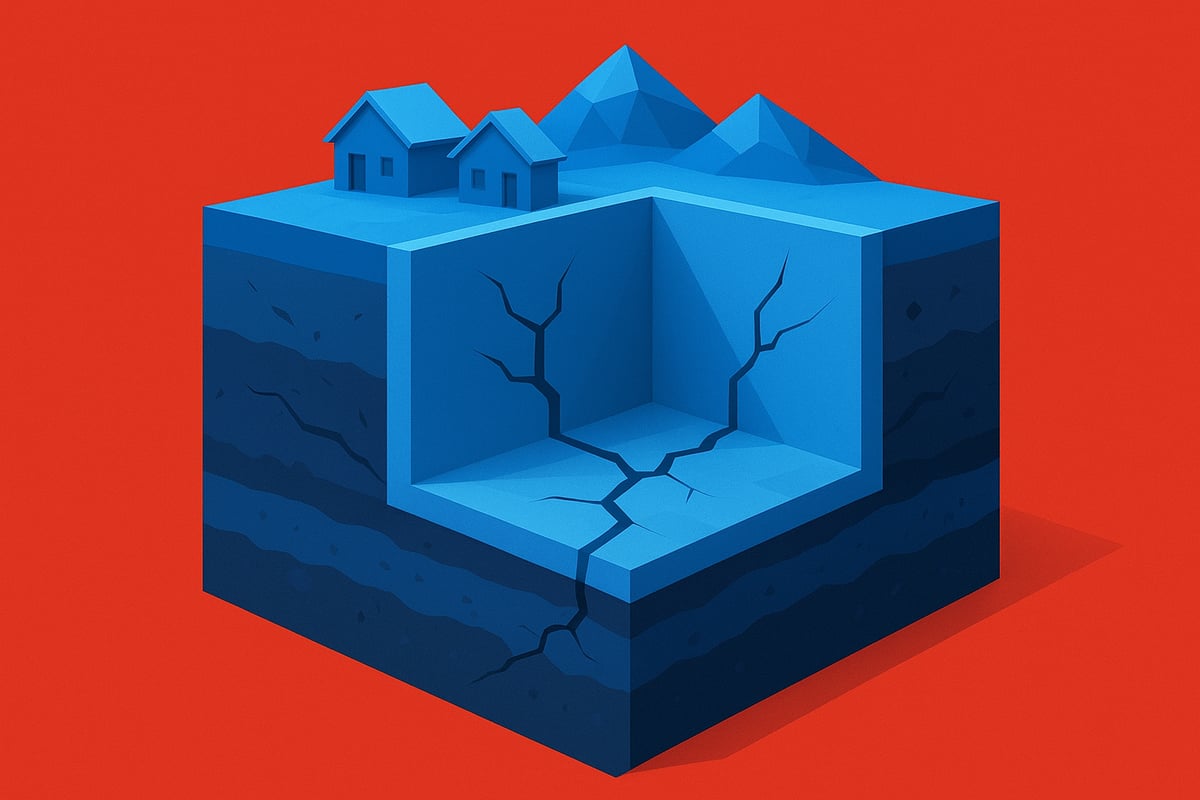
A basement concrete crack can appear due to several common factors. Natural shrinkage occurs as concrete cures and loses moisture, often leading to minor surface cracks. Soil beneath the foundation may settle or expand, especially if compaction was uneven during construction. Water infiltration and hydrostatic pressure from saturated soils can force cracks to form or widen.
Poor construction techniques or the use of low-quality materials increase the risk. Local climate matters too; freeze-thaw cycles and seasonal moisture changes, particularly in areas like Colorado, can stress foundations. For example, older homes built on loosely compacted soil frequently develop cracks as the ground shifts. Notably, about 80 percent of foundation cracks are linked to changes in soil and moisture.
Types of Basement Concrete Cracks
Basement concrete crack types vary in appearance and significance. Hairline, or shrinkage, cracks are typically thin and superficial, while structural cracks are wider and may signal deeper issues. Cracks can be vertical, horizontal, or diagonal. Map or crazing cracks resemble a spider web and are usually cosmetic.
Crack width is an important clue: those under 1 millimeter are often harmless, while cracks over 2.5 millimeters could indicate structural problems. For instance, cobweb-like surface cracks are less concerning compared to wide, leaking cracks that allow moisture inside. Visual cues such as continuous, wide, or stair-step patterns help differentiate between safe and risky cracks.
|
Crack Type |
Pattern |
Typical Cause |
Risk Level |
|---|---|---|---|
|
Hairline |
Random |
Shrinkage |
Low (monitor) |
|
Vertical |
Straight up |
Settlement |
Moderate (watch) |
|
Horizontal |
Sideways |
Pressure, water |
High (repair) |
|
Diagonal |
Angled |
Soil movement |
Moderate to High |
Risk Factors and Warning Signs
Several risk factors increase the likelihood of a basement concrete crack becoming a major concern. Sudden appearance of new cracks, especially in older basements, is a warning sign. Water seepage, visible efflorescence, or mold growth near cracks point to moisture intrusion.
Additional red flags include uneven floors, doors or windows that stick, and foundation walls that bow inward. Changes in nearby construction or landscaping can alter drainage patterns and soil pressure, triggering new cracks. For example, a home experienced multiple cracks after a neighboring development changed the water table. Research shows 40 percent of serious cracks are caused by external water flow changes.
How Climate and Soil Conditions in Colorado Affect Cracking
Colorado presents unique challenges for managing a basement concrete crack. Expansive soils common in the region swell and shrink dramatically with seasonal moisture and temperature swings. This constant movement puts stress on foundations, resulting in both minor and serious cracks.
Localized flooding and poor drainage can further exacerbate problems, especially in areas like Mesa County. For homeowners in Grand Junction, foundation movement is a frequent issue due to shifting soils and variable weather. To learn more about how regional soils contribute to cracking, visit Expansive Soils and Cracking Risk. Awareness of these local factors is essential for effective prevention and repair.
Assessing Basement Concrete Crack Severity
Understanding the severity of a basement concrete crack is essential for maintaining your home's safety and value. Proper assessment helps you decide whether a simple repair will suffice or if immediate professional intervention is required. Let's break down how to evaluate cracks in your basement with confidence.
Differentiating Cosmetic vs. Structural Cracks
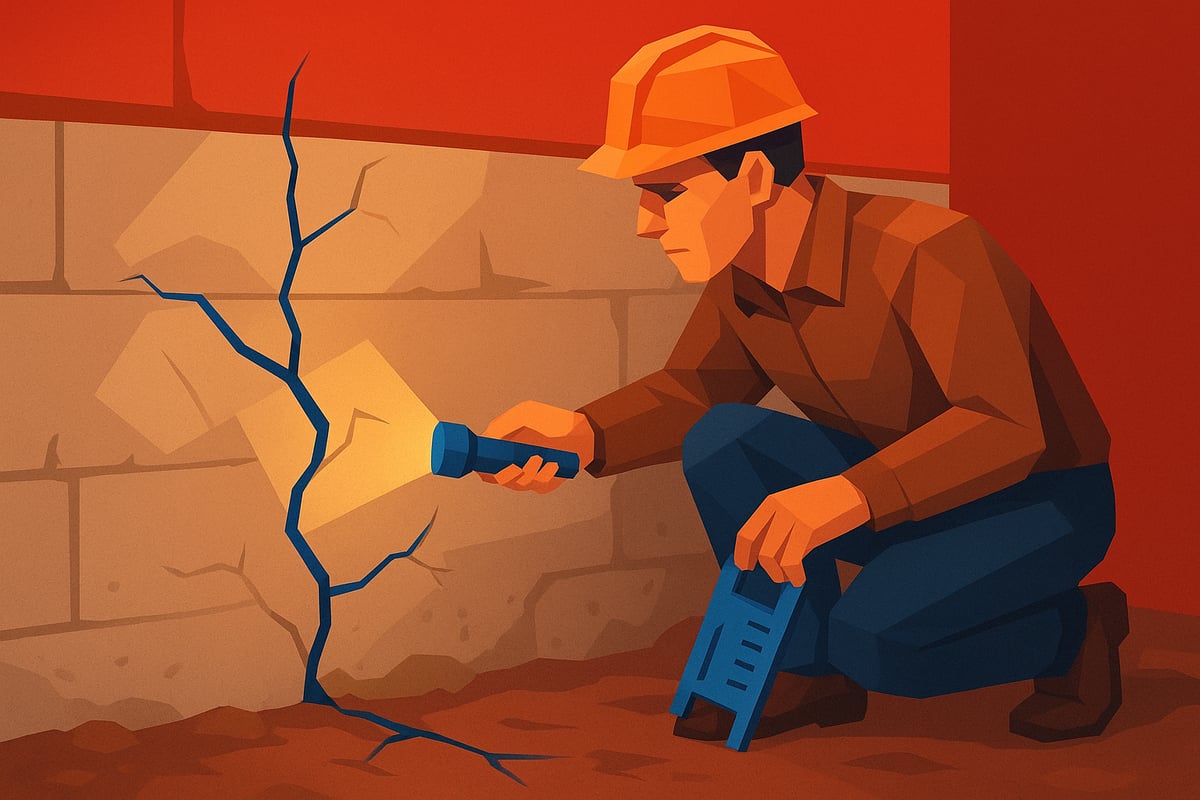
When you spot a basement concrete crack, your first step is to determine if it's cosmetic or structural. Cosmetic cracks, such as thin hairline lines less than 1mm wide, often result from normal concrete shrinkage. These usually pose no threat to your foundation.
Structural cracks, however, are wider, deeper, and may run horizontally or diagonally. Cracks wider than a quarter inch (about 6mm) often indicate foundation movement or stress. Look for patterns—vertical cracks are often less serious, while horizontal or stair-step cracks may signal more severe issues.
If a basement concrete crack is accompanied by uneven floors or sticking doors, it may be a sign of foundation movement. Always monitor changes in width, length, and direction over time.
Tools and Techniques for Crack Assessment
Assessing a basement concrete crack accurately requires the right tools and techniques. Start with a crack width gauge, which helps you measure the exact size of the crack. Moisture meters can reveal if water is seeping through, indicating a higher risk of structural damage.
Monitoring cracks over time is crucial. Mark the ends of the crack with a pencil and note the date, or use a smartphone app to track changes. For a comprehensive evaluation, consider referencing Basement Crack Repair Solutions to learn about advanced assessment and repair options.
DIY assessment is suitable for small, stable cracks, but if you notice growth or moisture, a professional inspection is always recommended. These proactive steps help you stay ahead of potential foundation problems.
Signs You Need Immediate Professional Help
Certain warning signs indicate that a basement concrete crack requires urgent expert attention. If you observe cracks that widen rapidly, water actively leaking through, or multiple cracks appearing at once, it is time to call a foundation specialist.
Additional red flags include sagging floors, bowing basement walls, or any signs of structural instability. For example, a sudden drop or shift in a wall can be caused by subsurface water flow, putting your home's safety at risk.
Never ignore a basement concrete crack that changes quickly or is associated with water intrusion. The sooner you act, the better your chances of preventing costly long-term damage.
Common Misconceptions About Basement Cracks
There are several myths surrounding the basement concrete crack issue. Some believe all cracks are dangerous, while others assume every crack is harmless. The truth lies in careful assessment and understanding the underlying cause.
Quick fixes, such as covering cracks with carpet or paint, do not address the root problem. Proper diagnosis is essential before attempting any repairs. Relying on professional guidance ensures that you treat each basement concrete crack appropriately, minimizing risk and safeguarding your property.
Step-by-Step Guide to Repairing Basement Concrete Cracks in 2026
Repairing a basement concrete crack requires a methodical approach tailored to the type and severity of the problem. Whether you are handling a minor hairline crack or facing a serious structural issue, the right technique can make all the difference in safeguarding your home’s foundation and value.
DIY Repairs for Hairline and Non-Structural Cracks
For a small basement concrete crack that is non-structural, many homeowners can handle repairs themselves. Start by cleaning the area thoroughly to remove dust, dirt, or loose material. Use a wire brush or vacuum for best results.
Next, select an appropriate surface sealer such as epoxy, polyurethane, or hydraulic cement. Carefully apply the product into the crack, smoothing it with a putty knife. Allow it to cure as directed by the manufacturer. Sealing cobweb or hairline cracks helps prevent moisture intrusion, safeguarding your basement from future issues.
Professional Repair Solutions for Structural Cracks
When a basement concrete crack is wider than a quarter-inch or displays signs of structural movement, professional intervention is essential. Contractors often use injection methods, such as epoxy or polyurethane foam, to fill and bond the crack internally.
For horizontal or severe diagonal cracks, additional reinforcement may be required. Techniques like stitching, carbon fiber strap installation, or underpinning address both the crack and underlying movement. For example, carbon fiber straps are applied to stabilize and strengthen walls affected by significant structural cracks.
Addressing Water Leaks and Moisture Issues
Water infiltration is a common complication associated with any basement concrete crack. Begin by identifying if the crack is actively leaking. Interior waterproofing methods, such as applying sealants or installing vapor barriers, can help control minor seepage.
For ongoing water issues, consider installing sump pumps or perimeter drainage systems. Exterior waterproofing, like membranes or French drains, diverts water away from your foundation. Sealing cracks is crucial to prevent mold, mildew, and further deterioration, as untreated cracks are responsible for about 50 percent of basement leaks.
The Latest Technologies and Materials in Crack Repair (2026 Edition)
In 2026, advancements in basement concrete crack repair offer homeowners enhanced durability and convenience. Flexible, low-VOC sealants adapt to future shifts in the foundation, while eco-friendly products minimize environmental impact.
Smart monitoring systems, including wireless sensors, are now available to track crack movement and alert homeowners to changes in real time. For a deep dive into these innovations and proven repair methods, explore Below-Grade Crack Repair Solutions.
Cost Considerations: DIY vs. Professional Repairs
Repair costs for a basement concrete crack vary by severity and approach. DIY repairs for minor cracks typically range from $50 to $200, covering materials like sealants and cleaning supplies. Professional repairs, involving injections or reinforcements, can cost from $500 to several thousand dollars depending on crack size, location, and structural impact.
|
Repair Type |
Typical Cost Range |
Best For |
|---|---|---|
|
DIY (Epoxy/Sealer) |
$50–$200 |
Hairline, non-structural cracks |
|
Professional (Injection, Carbon Fiber) |
$500–$4000+ |
Structural or wide cracks |
Investing in professional repairs may offer long-term savings by preventing future damage and costly foundation issues.
Mistakes to Avoid During Crack Repair
Avoiding common errors can ensure your basement concrete crack repair is effective and lasting:
-
Ignoring underlying structural issues before sealing
-
Using the wrong material for the crack type
-
Overlooking water management and exterior drainage
-
Skipping professional inspection for major or recurring cracks
Careful assessment and proper material selection are critical. Do not assume all cracks are harmless or that cosmetic fixes will address deeper problems.
Aspen Foundation Repairs: Local Expertise for Colorado Basements
Aspen Foundation Repairs brings over 20 years of hands-on experience with basement concrete crack issues in Colorado. Their expert team understands the region’s expansive soils, freeze-thaw cycles, and drainage challenges.
They provide comprehensive services, including foundation repair, basement waterproofing, and mold remediation. Homeowners in Aspen, Rifle, Grand Junction, and surrounding areas trust Aspen Foundation Repairs for accurate diagnostics, custom solutions, and free estimates tailored to each property’s needs.
Preventing Future Basement Concrete Cracks
Protecting your home from future basement concrete crack issues demands a proactive mindset. Prevention is not just about saving money, it is about ensuring your home remains safe, healthy, and valuable for years to come. By investing time in inspection, water management, quality construction, and ongoing education, you can make a significant difference in your foundation's longevity.
Proactive Maintenance and Inspection Tips
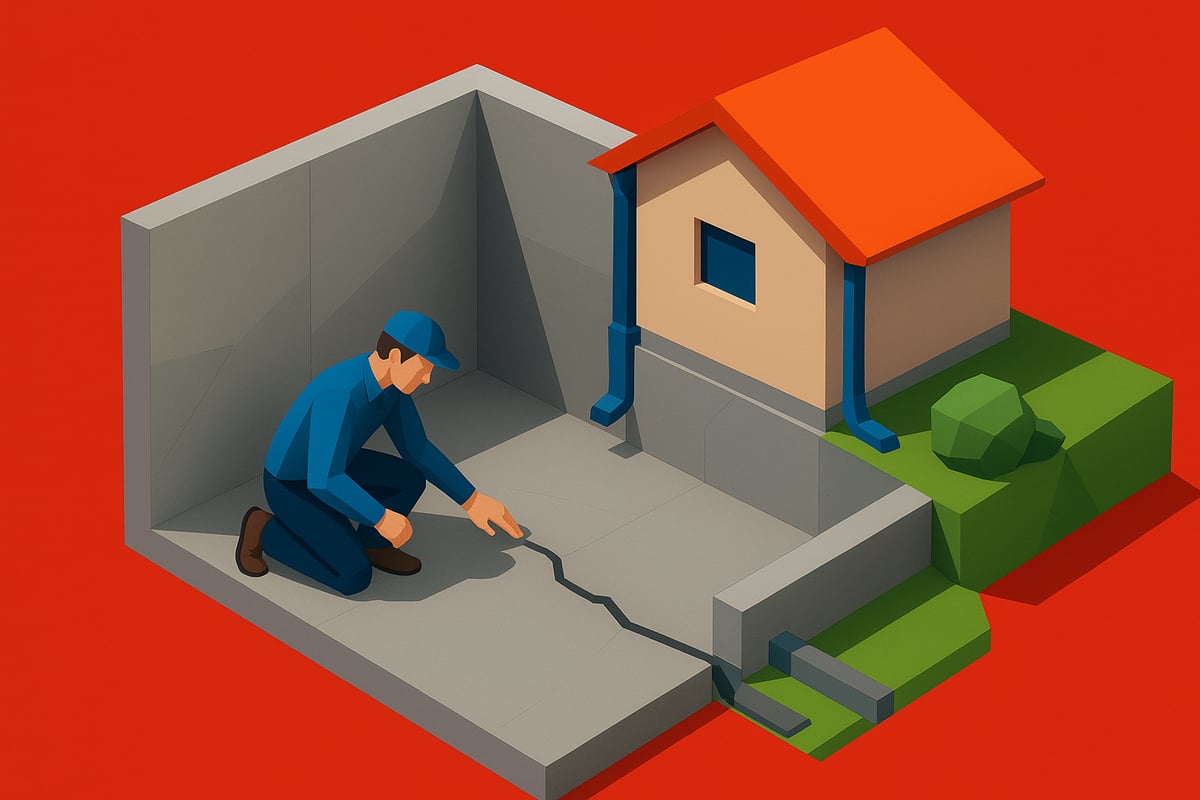
Routine maintenance is your first line of defense against a basement concrete crack. Set a schedule to inspect both basement walls and floors for any new cracks or changes. Even small shifts can signal underlying issues.
-
Check for leaks, moisture, or unusual stains
-
Keep gutters and downspouts clear to direct water away
-
Monitor humidity and use a dehumidifier if needed
-
Arrange annual professional inspections
A little vigilance goes a long way. Document any new basement concrete crack findings, including photos and dates, for future reference.
Managing Water Flow and Soil Conditions
Water is a leading factor in basement concrete crack formation. Ensure your yard slopes away from the foundation, and routinely check that landscaping does not cause water to pool near your home.
-
Install or maintain French drains and waterproof membranes
-
Redirect downspouts at least five feet from the foundation
-
Address irrigation leaks and runoff promptly
For additional peace of mind, consider Basement Waterproofing Services to help prevent water from seeping into your basement concrete crack zones. Consistent water management helps protect structural integrity.
Upgrading Construction Techniques for New Basements
If you are building or renovating, modern techniques can reduce the risk of a basement concrete crack from the start. Use high-quality concrete with proper reinforcement, and install control joints to absorb natural shrinkage.
-
Compact soil thoroughly before pouring the slab
-
Use vapor barriers to limit ground moisture
-
Work with experienced contractors who understand local soil types
These improvements can dramatically lower the chance of a basement concrete crack developing in new construction.
Homeowner Education and Awareness
Staying informed is key to long-term prevention. Learn to recognize early warning signs of a basement concrete crack, such as hairline fissures or dampness.
-
Use DIY monitoring tools for ongoing assessment
-
Attend local workshops or seminars on foundation care
-
Keep resources handy for quick reference
Being proactive and knowledgeable helps you catch basement concrete crack problems before they escalate, ensuring your investment remains protected.
When to Call a Professional: Choosing the Right Basement Crack Repair Expert
Spotting a basement concrete crack can be stressful, but knowing when to seek professional help is critical. Acting promptly protects your home’s structure and value. Below, we outline the warning signs, what to look for in an expert, essential questions, and why local knowledge matters for Colorado homeowners.
Red Flags That Require Expert Intervention
Not every basement concrete crack demands urgent action, but certain signs signal immediate need for a specialist. Watch for cracks that are large, widening, or multiply across several walls. If you notice foundation shifting, persistent water leaks, or mold growth near cracks, these issues suggest deeper structural problems.
Homes with a history of flooding or drainage issues are at higher risk. If cracks keep reappearing after repairs, do not ignore them. Immediate attention is crucial, especially if your property displays multiple warning signs. For a detailed list of what to monitor, visit the Foundation Problems and Warning Signs resource. Addressing a basement concrete crack early can prevent extensive, costly repairs in the future.
What to Look for in a Basement Crack Repair Contractor
Selecting the right contractor for your basement concrete crack repair is vital. Start by confirming the company holds proper licensing, insurance, and relevant certifications. Experience with local soil and climate conditions ensures they understand regional challenges, especially in Colorado.
Look for contractors who use warrantied, industry-leading products. Transparent pricing and positive customer reviews indicate reliability. A reputable contractor will assess both visible and hidden issues, offering solutions tailored to your basement concrete crack and foundation needs.
Questions to Ask Before Hiring a Specialist
Before hiring a basement concrete crack repair expert, ask pointed questions. What repair methods do they recommend for your specific crack type? How long do they expect the repair to last, and are there warranties or guarantees?
Request references from similar projects, especially in your area. Ask if the team has experience with complex repairs, such as those involving structural movement or water intrusion. These questions help ensure you receive effective, long-lasting solutions for your basement concrete crack concerns.
The Value of Local Expertise in Colorado
Colorado’s unique geology presents challenges that only local specialists fully understand. Expansive soils, seasonal moisture shifts, and freeze-thaw cycles can all contribute to basement concrete crack formation. Choosing a contractor with deep knowledge of local soil conditions is essential for lasting repairs.
Locally owned companies offer tailored approaches, considering the specific risks in regions like Mesa County. For insight into how Colorado’s soils impact your foundation, the Expansive Soil and Rock - Colorado Geological Survey provides valuable background. When you partner with a local expert, you gain solutions designed for the unique demands of your community.
Frequently Asked Questions About Basement Concrete Cracks (JSON-LD Schema Markup)
Homeowners often have questions about basement concrete crack concerns, from causes to repair options and prevention. Understanding when a basement concrete crack is cosmetic or structural is crucial for home safety. For those interested in the most effective repair strategies, see Top Techniques for Long-Lasting Basement Crack Repairs. Explore the comprehensive FAQ below for expert answers and actionable steps.
Now that you understand what causes basement concrete cracks and how to spot early warning signs, you’re already ahead in protecting your home’s value and safety. Sometimes, it takes a local expert to accurately diagnose and resolve the unique foundation challenges we face here in Colorado. If you’re noticing cracks, moisture, or shifting in your basement, let’s address it before it becomes a bigger issue. You deserve solutions you can trust and a team that understands your home’s needs. Ready to take the next step?
