

Expert Guide to Fix Sinking Foundation in 2026
Imagine discovering large cracks creeping across your walls or floors suddenly feeling uneven—these are urgent warning signs that your home may be at risk from a sinking foundation. In 2026, the threat is even more pressing as changing weather patterns and aging construction put property stability to the test.
This expert guide will help you confidently fix sinking foundation problems. You will learn how to spot early warning signs, understand what causes foundation issues, explore proven repair methods, select the right professionals, and protect your investment for years to come. Take action now to safeguard your property’s value and safety.
Understanding Sinking Foundations in 2026
Understanding how to fix sinking foundation problems starts with knowing what defines a sinking foundation in 2026. A sinking foundation occurs when part of a building's base settles unevenly, causing visible and structural issues. Normal settling is expected in most homes, but significant or uneven movement signals trouble. The difference between uniform and differential settlement is crucial: uniform settling affects the whole structure evenly, while differential settlement causes one area to drop more than another, leading to cracks and misalignment. If a home sinks more than 1 inch per 20 feet, this is a major red flag. For a detailed exploration of causes and signs, see Foundation settlement and sinking explained.

What is a Sinking Foundation?
A sinking foundation is more than simple settling. It is the downward movement of a building due to weak soils, water issues, or construction flaws. Uniform settlement means the whole house lowers together, usually causing minimal damage. Differential settlement, however, results in one side or section dropping more, which can compromise structural integrity and safety. As a rule, if your home shifts downward more than 1 inch per 20 feet, it is time to act. While most homes experience minor settling, significant or uneven movement should prompt you to fix sinking foundation problems quickly.
Top Causes of Foundation Sinking
Many factors can cause a foundation to sink. Soil erosion from poor drainage or heavy rainfall is a frequent culprit. Improper soil compaction during construction leaves voids that eventually collapse. Expansive clay soils swell and shrink with moisture changes, while tree roots and landscaping can alter soil moisture levels beneath your home. Weather extremes, such as freeze-thaw cycles or drought, also contribute. For example, homes in Colorado are especially prone to these issues due to the region's clay soils and seasonal moisture shifts. Recognizing these causes is the first step to fix sinking foundation issues.
Modern Foundation Issues in 2026
Foundation problems in 2026 have evolved due to shifting climate patterns and urban development. Increased rainfall and longer droughts stress soil stability, while new construction can change local water tables. Advances in soil and structural monitoring technology now make it easier to detect early warning signs. Recent data shows a nationwide increase in foundation insurance claims linked to severe weather events. New building codes aim to prevent future problems but present challenges for older homes. To fix sinking foundation concerns today, homeowners must understand these modern influences.
Long-Term Risks of Ignoring Sinking Foundations
Delaying repairs when your foundation is sinking leads to escalating costs over time. Damage can spread to plumbing, utility lines, and interior finishes, causing further headaches. Property value may plummet, and insurance coverage could be impacted. The safety risks are real: sloping floors, stuck doors or windows, and even partial structural failures may occur. For example, severe neglect has led some homes to experience wall collapse. Addressing issues early is the only way to fix sinking foundation problems and protect your property’s future.
How to Identify a Sinking Foundation: Warning Signs & Early Detection
Detecting foundation problems early is essential if you want to fix sinking foundation issues before they worsen. By learning to spot the earliest warning signs, you can protect your property value and avoid costly repairs down the line.

Visible Signs Inside and Outside the Home
One of the first steps to fix sinking foundation problems is to watch for visible changes inside and outside your house. Common warning signs include:
-
Cracks in drywall, especially stair-step or widening patterns
-
Uneven or sloping floors that create a "funhouse" effect
-
Doors and windows that stick or become misaligned
-
Gaps between walls and ceilings or floors
-
Chimneys pulling away from the structure
For example, after periods of heavy rain, homeowners often notice new cracks or shifting floors. If you observe these issues, it may be time to review the full list of signs of foundation problems and take action. Early detection dramatically increases your chances to fix sinking foundation concerns efficiently.
Subtle Structural and Functional Clues
Not all foundation issues are obvious. Subtle clues can also signal the need to fix sinking foundation damage before it escalates. Look for:
-
Bowing or leaning basement and crawlspace walls
-
Cracks in exterior brickwork or foundation walls
-
Persistent dampness or water intrusion in basements
-
Unexplained mold or mildew growth indoors
-
Plumbing leaks or gas line stress not caused by visible breaks
These subtle symptoms often develop over time and may coincide with seasonal changes or recent storms. Ignoring them can make it harder to fix sinking foundation issues later, so always document any unusual changes.
When to Seek Professional Assessment
Knowing when to call an expert is crucial if you want to fix sinking foundation risks early. Seek a professional assessment if:
-
You detect movement greater than 1 inch per 20 feet
-
Multiple warning signs appear at once
-
There has been recent severe weather or flooding
-
You have not had a foundation inspection in over a year
Annual or bi-annual inspections by a structural engineer or specialized contractor can identify hidden problems before they become emergencies. Acting promptly helps you fix sinking foundation threats before they compromise safety or property value.
DIY Inspection Tips for 2026
While professional help is vital, homeowners can also take proactive steps to fix sinking foundation problems early. Use these DIY tips:
-
Measure floor slopes with a laser level or smartphone app
-
Track crack growth with tape or digital crack monitors
-
Check for new gaps after seasonal moisture changes
-
Maintain a log of all observations over several months
For instance, if you notice a crack widening over six months, it could signal worsening movement. These simple checks can help you fix sinking foundation issues before they require major intervention.
Step-by-Step Process to Fix a Sinking Foundation
Tackling a sinking foundation requires a precise, methodical approach. In 2026, homeowners and property managers need to apply the most advanced methods to fix sinking foundation issues efficiently. Here is a comprehensive, step-by-step process designed to maximize structural safety and property value.
Step 1: Diagnose the Underlying Cause
The first and most crucial step to fix sinking foundation problems is diagnosing the root cause. Professional soil and structural analysis is essential for accurate results.
Specialists examine the property, identifying whether the issue stems from soil washout, expansive clay movement, or improper compaction. They will also inspect for patterns, such as whether settlement is uniform or differential.
For example, some homes in Colorado experience rapid sinking after heavy rainfall, while others face gradual movement over years due to clay soil shrinkage. Understanding the cause helps develop a targeted solution to fix sinking foundation challenges with long-term success.
Step 2: Develop a Custom Repair Plan
Once the underlying problem is clear, experts create a tailored repair plan. This plan considers the foundation type—slab, crawlspace, or basement—plus local soil composition, climate, and the age of the building.
Structural engineers play a vital role, offering unbiased assessments that guide contractors. Their expertise ensures the plan addresses all contributing factors, from drainage to soil behavior.
A custom approach is critical. For instance, older homes may require different solutions than newer builds, and clay-rich soils demand specialized stabilization methods. This step sets the foundation for all further efforts to fix sinking foundation issues.
Step 3: Stabilization Techniques
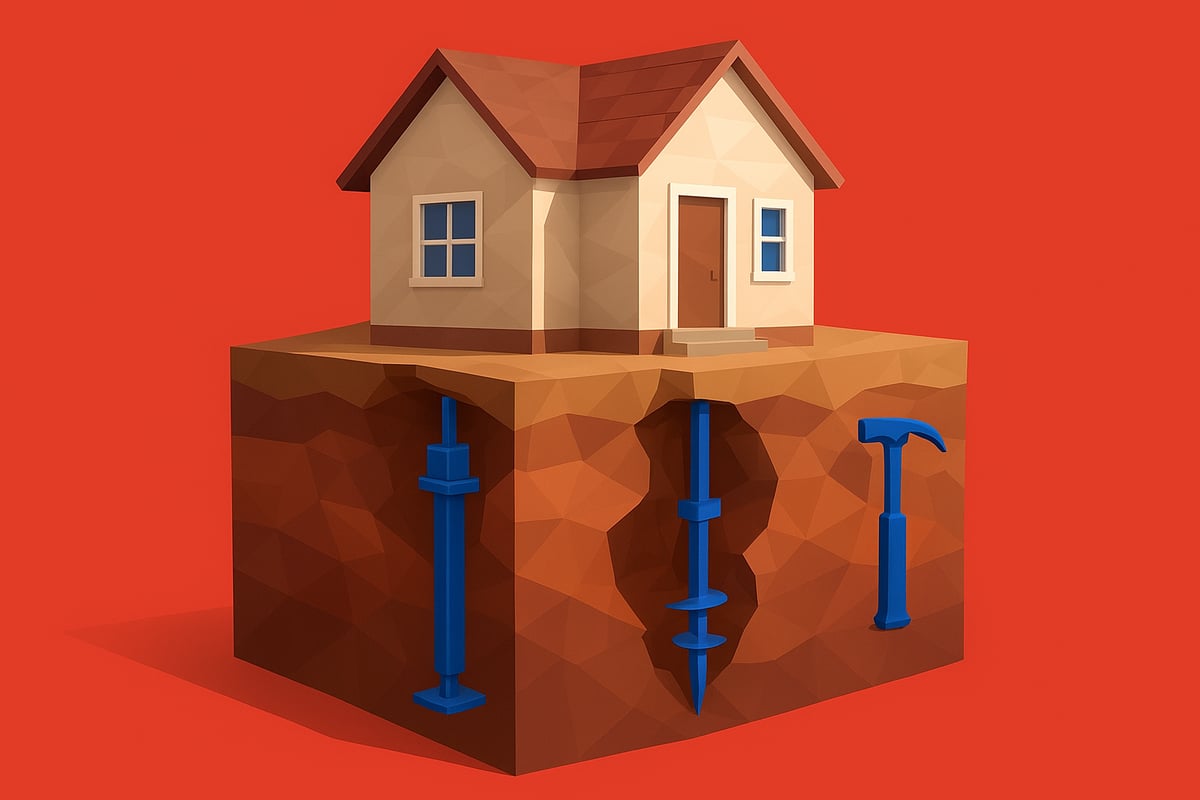
Stabilizing and lifting a sinking foundation involves choosing the right repair method. Common industry solutions include:
-
Push piers: Steel supports driven deep to reach stable soil or bedrock, ideal for heavy structures.
-
Helical piers: Screw-like anchors used for lighter buildings or where soil conditions vary.
-
Slab piers: Designed for interior slab stabilization, providing targeted lifting.
-
Polyurethane foam injection (poly-jacking): Expands beneath slabs to fill voids and raise settled areas.
-
Grout or mud-jacking: Fills gaps under slabs, restoring level surfaces.
For detailed information on these techniques, including when to use each method and what to expect, review this comprehensive resource on foundation repair methods and solutions.
Colorado homes, especially those with clay soils, often benefit from helical pier systems for effective, lasting support. Selecting the right stabilization technique is a fundamental part of any strategy to fix sinking foundation problems.
Step 4: Addressing Soil and Drainage Issues
Correcting soil and drainage problems is necessary to prevent recurrence. Solutions include:
-
Installing French drains or drain tile systems to redirect water away from the foundation.
-
Re-grading the landscape so water flows away from the building.
-
Implementing soil moisture control measures, such as barriers or controlled irrigation.
-
Constructing retaining walls for properties on slopes.
For example, a home on a hillside may need both a retaining wall and a French drain to fully fix sinking foundation risks. Addressing these concerns ensures the repairs last and protects the structure from future movement.
Step 5: Repairing Collateral Damage
Once the foundation is stabilized, repair teams address any collateral damage. This includes:
-
Sealing and repairing interior and exterior cracks.
-
Realigning doors, windows, and floors to restore proper function.
-
Repairing or replacing compromised plumbing and utility lines.
These steps not only restore aesthetics but also ensure the home is safe and functional after you fix sinking foundation issues. Prompt attention to these details helps maintain property value and livability.
Step 6: Post-Repair Monitoring and Maintenance
Even after repairs, ongoing monitoring is vital. Install devices to track future movement, such as digital crack monitors or wireless sensors.
Schedule follow-up inspections—ideally annually or bi-annually—to catch new issues early. Maintain drainage systems and landscaping to minimize risk factors.
Homeowners who consistently monitor their foundation after repairs are less likely to face recurring problems. This commitment is a key element of any sustainable plan to fix sinking foundation concerns.
Cost Considerations and Timelines in 2026
The cost to fix sinking foundation issues varies based on repair method, severity, and property access. Here is a summary:
|
Repair Method |
Average Cost (2026) |
Typical Timeline |
|---|---|---|
|
Push Piers |
$10,000–$25,000 |
1–2 weeks |
|
Helical Piers |
$8,000–$20,000 |
1–2 weeks |
|
Polyurethane Foam Injection |
$3,000–$7,500 |
1–3 days |
|
Drainage Improvements |
$2,000–$10,000 |
2–5 days |
|
Crack/Finish Repairs |
$500–$5,000 |
1–3 days |
Several factors influence pricing, including the extent of damage, repair access, and materials used. In 2026, foundation repair costs are typically between $3,000 and $30,000 or more. Always obtain a detailed repair plan and written estimate before proceeding.
By following this comprehensive process, property owners can confidently fix sinking foundation problems and protect their investment for years to come.
Choosing the Right Foundation Repair Professionals
Selecting the right experts to fix sinking foundation issues is crucial for long-term stability and peace of mind. The process goes beyond choosing the lowest bid. It involves evaluating credentials, technical experience, and local expertise. The right team ensures your investment protects both your property and its value.
What to Look for in a Contractor
When you need to fix sinking foundation problems, look for contractors with proper licensing, insurance, and a proven track record in your region. Specialization in foundation repair, not just general contracting, is essential for reliable results.
Seek companies that use warrantied products and provide transparent, written repair plans. Local experience matters, especially in areas like Colorado with challenging soils. For example, contractors with 20+ years handling local soil types can anticipate unique challenges and deliver lasting solutions. Check for clear communication and a history of satisfied clients.
The Role of Structural Engineers
A structural engineer plays a key role when you want to fix sinking foundation concerns. Their unbiased assessment helps pinpoint the root cause and ensures the repair plan is tailored, not one-size-fits-all. Unlike sales-focused repair companies, engineers offer independent advice and design repair plans that contractors must follow.
This approach leads to cost-effective, targeted solutions and helps you avoid unnecessary work. For example, an engineer might recommend helical piers for certain soil conditions, ensuring the repair method matches your property’s needs. Always insist on an engineer’s evaluation before committing to major repairs.
Aspen Foundation Repairs: Local Expertise for Colorado Homes
Aspen Foundation Repairs is a trusted local choice to fix sinking foundation issues in Colorado. With over two decades serving Mesa County, Aspen, Grand Junction, and nearby communities, their team understands the region’s soil and weather challenges.
They provide custom diagnosis, warrantied repairs, and advanced techniques like helical pier installation process for lasting results. Services include crack repair, bowing wall correction, and basement waterproofing. Free estimates and financing options make expert help accessible. Their commitment to satisfaction and community service sets them apart in the industry.
Questions to Ask Before Hiring
Before you hire someone to fix sinking foundation problems, ask the right questions to ensure you choose wisely:
-
What is your experience with local soil conditions?
-
Can you provide references and proof of insurance?
-
What warranties do you offer on products and workmanship?
-
Will a structural engineer be involved in the assessment?
-
Do you provide a detailed, written repair plan and timeline?
These questions help you identify qualified professionals who can deliver reliable, long-lasting repairs tailored to your property.
Preventing Foundation Sinking: Proactive Steps for Homeowners
Protecting your home's foundation starts with proactive care. To effectively fix sinking foundation problems and avoid costly repairs, focus on prevention. These strategies will help you maintain stability, preserve your property value, and avoid stress down the line.
Managing Water and Drainage
Excess water is a leading cause of foundation issues. If you want to fix sinking foundation problems before they start, proper drainage is essential.
Ensure the soil around your home slopes away from the foundation. This directs rainwater safely outward, reducing the risk of pooling. Install and maintain gutters and downspouts so water is carried off your roof and away from your property.
Use downspout extensions to move water at least 5 to 10 feet from the house. For persistent wet areas, consider installing French drains or drain tile systems. These solutions can help prevent erosion and soil washout, both of which can lead to foundation settlement.
A simple checklist:
-
Check downspouts for clogs or leaks.
-
Inspect the grade of landscaping each season.
-
Watch for puddles or pooling after rain.
Taking these steps helps ensure you never need to fix sinking foundation issues caused by water mismanagement.
Landscaping and Soil Control
The way you landscape your yard plays a critical role in foundation stability. To fix sinking foundation challenges long term, pay close attention to soil and plant placement.
Plant trees and large shrubs well away from the foundation. Their roots can draw moisture from the soil and cause it to shrink or shift. In clay-rich or drought-prone regions, use moisture barriers to keep soil conditions stable.
Maintain even soil moisture through controlled irrigation, particularly during dry spells. This prevents dramatic expansion or contraction that can lead to settlement. For a deeper dive into soil-related risks and solutions, review the Foundation Settlement Causes and Solutions guide.
Key landscaping tips:
-
Avoid planting water-hungry trees near the home.
-
Use mulch to retain soil moisture.
-
Monitor soil around the foundation for shrinkage or cracks.
With careful planning, you can fix sinking foundation risks linked to landscaping before they arise.
Routine Inspections and Maintenance
Consistent monitoring is vital if you want to fix sinking foundation problems early. Schedule annual professional inspections to catch issues before they escalate.
Between inspections, keep an eye out for new cracks in walls or floors, sloping surfaces, or water intrusion. Document any changes you notice and address minor repairs promptly to avoid bigger problems later.
Keep detailed records of all inspections and repairs. This not only helps track the health of your foundation but also supports insurance claims or future real estate transactions.
Routine maintenance checklist:
-
Inspect for new or widening cracks each season.
-
Test door and window alignment regularly.
-
Check for signs of moisture or mold in basements.
Taking these steps makes it easier to fix sinking foundation problems at the earliest stage possible.
Upgrading Foundation Systems in Older Homes
Older homes are especially vulnerable to settlement, but upgrades can help fix sinking foundation concerns for good. Retrofitting with modern drainage systems, such as French drains or sump pumps, can significantly reduce water-related risks.
Consider reinforcing outdated footings or supports with modern materials. Adding helical piers or slab supports can stabilize the foundation and prevent further sinking. For example, many 1950s homes in Grand Junction now use helical piers for added support.
Key upgrades include:
-
Installing interior or exterior drainage systems.
-
Replacing deteriorated support columns.
-
Reinforcing or replacing aging footings.
By making these improvements, you can fix sinking foundation issues and ensure your property remains safe and stable for decades to come.
Frequently Asked Questions (FAQ)
Common Concerns About Sinking Foundations
Many homeowners wonder if it is normal for a house to settle or if they should worry about a sinking foundation. While minor settling is expected, you should act quickly if you notice significant cracks, sloping floors, or doors that no longer close properly.
The urgency to fix sinking foundation issues cannot be overstated, as delays can lead to greater risks, such as structural instability and higher repair costs. DIY repairs are rarely sufficient for serious problems. Always consult a professional to properly fix sinking foundation concerns and check your insurance coverage for potential exclusions.
Cost, Warranty, and Timeline Questions
Understanding the investment required to fix sinking foundation problems is essential. In 2026, average repair costs can range from a few thousand to tens of thousands of dollars, depending on the method and extent of damage. For up-to-date statistics, see Foundation Repair Cost Statistics 2026.
Most reputable contractors provide warranties on both materials and workmanship. Repair timelines vary but typically span several days to a few weeks. Many companies offer financing options, making it more manageable to fix sinking foundation issues without delay.
Long-Term Maintenance and Monitoring
After you fix sinking foundation problems, ongoing maintenance is crucial for protecting your investment. Use digital monitoring tools or simple methods like tape to track crack growth over time.
Schedule professional inspections at least once a year, especially after severe weather. Address drainage or landscaping issues promptly to help prevent future settling. Proactive monitoring and timely action are the best ways to ensure your fix sinking foundation efforts last for years.
Now that you understand the risks and warning signs of a sinking foundation, taking prompt action is your best defense against escalating damage and costly repairs. Whether you have questions about cracks, drainage, or the right stabilization method, having an expert’s insight can make all the difference for your home’s safety and value. If you’re in Colorado and want peace of mind, you can reach out to a trusted local specialist who knows the region’s unique soils and challenges. Start with a no-obligation, professional assessment—simply [Get Free Estimate](https://www.aspenfoundationrepairs.com/free-estimate.html) to protect your property for years to come.
