

Cinder Block Foundation Repair Guide: Expert Tips for 2026
A solid foundation is the backbone of every safe and valuable home, especially as building standards evolve in 2026. Across the U.S., cinder block foundations remain popular, yet they present specific challenges that can threaten both safety and property value if left unchecked.
This comprehensive cinder block foundation repair guide delivers expert, actionable advice for homeowners. Inside, you will learn how to spot common warning signs, understand the root causes of damage, and follow clear repair steps. Prevention strategies and tips for selecting the right repair solution ensure you are prepared for any issue.
Ready to safeguard your home? Discover practical DIY advice, know when to call a professional, and take control of your foundation’s future today.
Understanding Cinder Block Foundations: Structure, Strengths, and Weaknesses
Cinder block foundations are a common choice for many American homes, especially in areas with variable soils and climates. Understanding their construction, strengths, and vulnerabilities is crucial for effective cinder block foundation repair and long-term home safety.
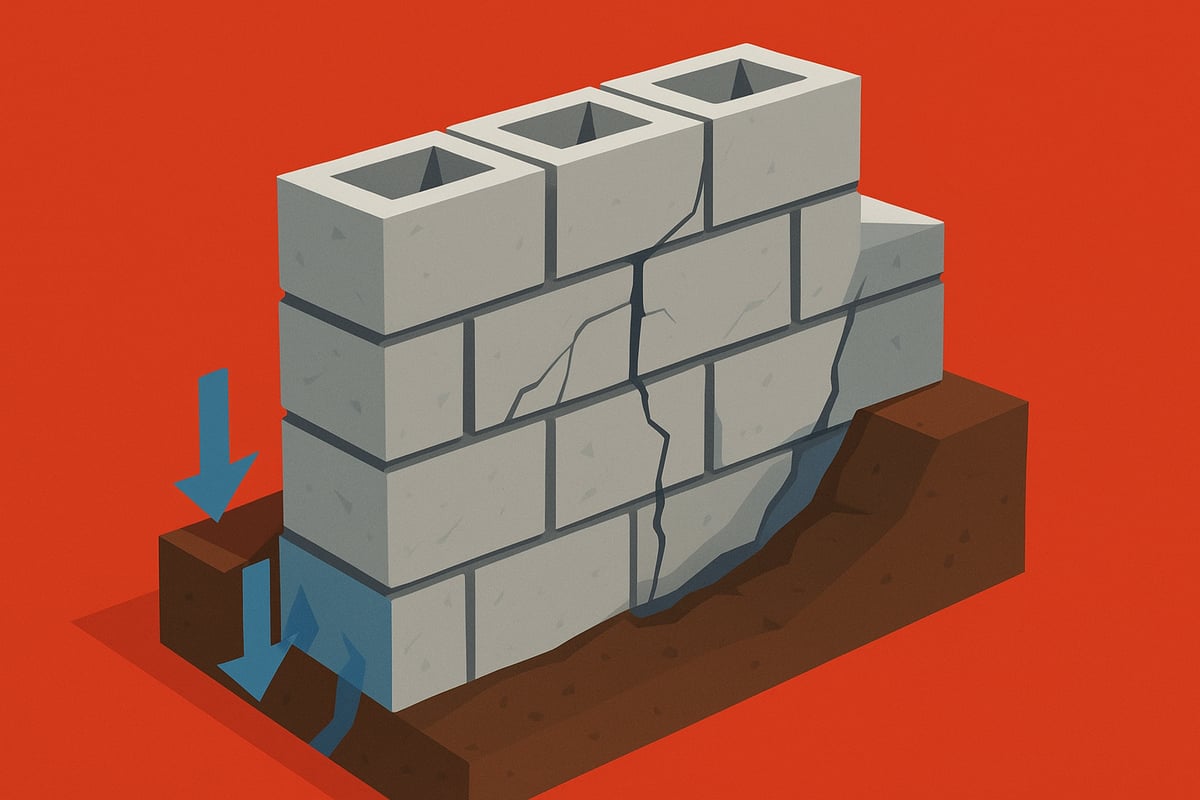
Key Features of Cinder Block Foundations
Cinder block foundations are built using rectangular, hollow blocks joined together with mortar. These blocks are stacked in staggered rows to create sturdy walls that support the home above.
Compared to poured concrete foundations, cinder blocks allow for faster installation and easier repairs. They are often used in regions with clay-rich soils or fluctuating weather, as the materials are widely available and affordable.
Key strengths include:
-
Affordability: Lower material and labor costs.
-
Ease of repair: Blocks can be replaced or reinforced as needed.
-
Material availability: Readily sourced across the U.S.
However, these foundations are not without weaknesses. They are more susceptible to moisture intrusion, freeze-thaw cycles, and lateral soil pressure, which can lead to cracking or bowing. For a detailed comparison of foundation types and their vulnerabilities, see Understanding Foundation Types.
Common Signs of Cinder Block Foundation Problems
Homeowners should watch for several warning signs that suggest the need for cinder block foundation repair:
-
Horizontal, vertical, or stair-step cracks in the blocks or mortar joints.
-
Walls that bow or bulge inward.
-
Water seepage, damp spots, or white powdery efflorescence on interior surfaces.
-
Musty odors or visible mold in the basement.
-
Uneven floors or doors and windows that stick above the foundation.
Spotting these issues early is essential to prevent further damage and costly repairs.
Causes of Cinder Block Foundation Damage in 2026
Several factors contribute to cinder block foundation repair needs today:
-
Hydrostatic pressure from poor drainage or rising water tables can push against the foundation walls.
-
Freeze-thaw cycles cause the blocks and mortar to expand and contract, leading to cracks.
-
Soil movement, including expansive clay, poorly compacted fill, or erosion, shifts the foundation.
-
Poor construction practices or aging materials weaken structural integrity.
-
Changes in regional climate increase weather-related stress, making foundations more vulnerable.
Understanding these causes helps homeowners address the root of the problem, not just the symptoms.
Why Early Detection Matters
Timely cinder block foundation repair is vital for protecting your home. Small cracks or minor bowing can quickly escalate into major structural issues if ignored.
Early intervention saves money by reducing the extent of repairs and preventing related problems like mold or wood rot. It also preserves your home’s resale value and ensures safety for occupants.
According to Groundworks (2025), up to 60% of foundation repairs in the Northeast are the result of delayed maintenance. Proactive monitoring and prompt repairs can significantly lower the risk and cost of future issues.
Step-by-Step Cinder Block Foundation Repair Methods for 2026
A successful cinder block foundation repair project always begins with a systematic approach. By following each of these steps, you ensure both immediate results and long-term stability for your home. Whether you are tackling minor cracks or addressing advanced wall movement, this guide helps you make informed decisions and achieve professional-quality outcomes.
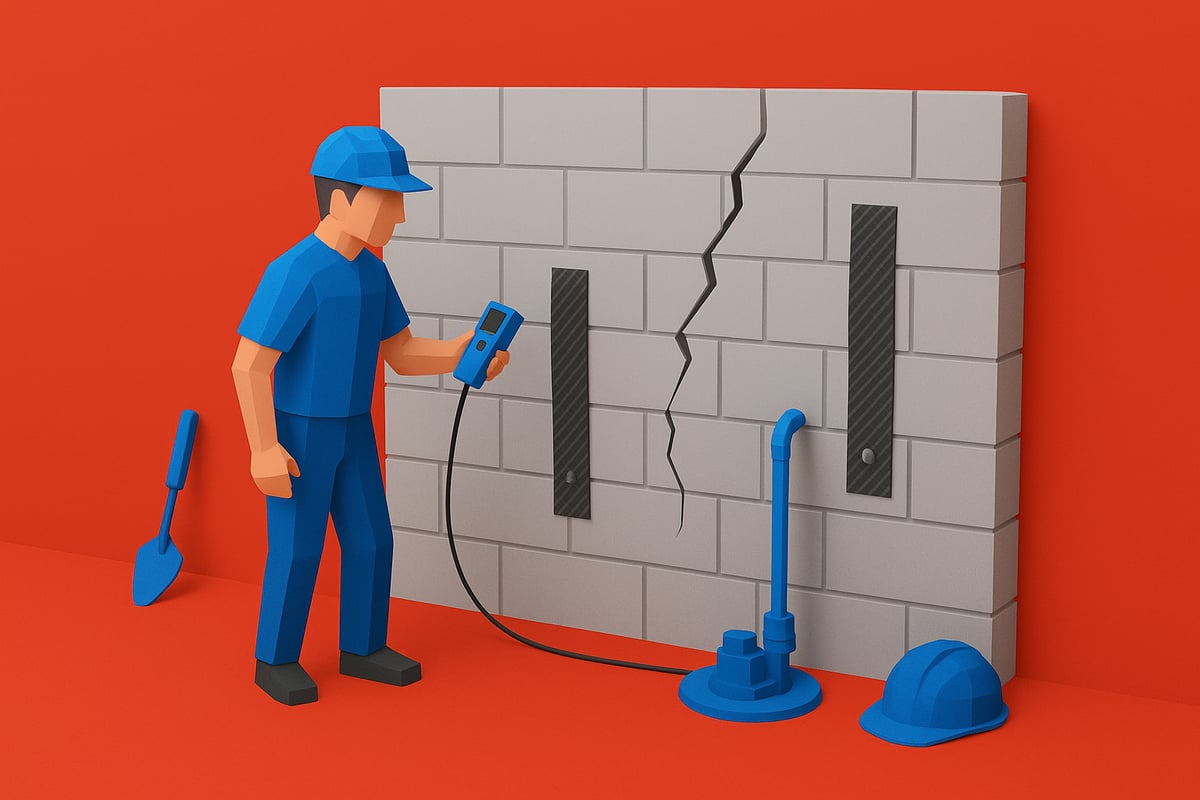
Step 1: Inspection and Diagnosis
Start your cinder block foundation repair by performing a thorough inspection. Walk around both the interior and exterior of your foundation, looking for visible cracks, bulges, or signs of water intrusion. Use a moisture meter to check for dampness and a level to assess wall plumbness. Crack gauges can help you monitor movement over time.
Document every sign of distress. Note the crack types—horizontal, vertical, or stair-step—as these patterns reveal the nature of the issue. Check for wall displacement, efflorescence, or musty odors. Record any uneven floors or sticking doors above the foundation.
If you notice large cracks, significant bowing, or persistent moisture, it is wise to consult a foundation professional. Early and accurate diagnosis sets the stage for effective cinder block foundation repair and prevents costly future complications.
Step 2: Preparing the Area for Repair
Before beginning any cinder block foundation repair work, clear the area for safety and accessibility. Remove any stored items, furniture, or debris near the affected section. Clean the wall surface thoroughly, using a wire brush to eliminate loose mortar, efflorescence, and old paint.
Ensure the workspace is well ventilated, especially if you are working in a basement. Protect adjacent surfaces with drop cloths or plastic sheeting. Gather all necessary tools, including a hammer, chisel, trowel, safety goggles, gloves, and dust mask.
Proper preparation minimizes risk and ensures that new materials adhere correctly. By investing time in this step, you lay the groundwork for a successful cinder block foundation repair and avoid common pitfalls that can compromise your results.
Step 3: Repairing Cracks and Mortar Joints
Addressing cracks and deteriorated mortar is a core part of cinder block foundation repair. For minor, non-structural cracks, apply hydraulic cement or use epoxy injection systems to seal the gaps. Hydraulic cement expands as it cures, forming a watertight seal, while epoxy can restore some structural integrity for cracks up to 1/4-inch wide.
When mortar joints are crumbling or missing, repoint them with fresh mortar. Carefully remove all loose material, then pack new mortar into the joints using a pointing trowel. For added protection, coat the repaired area with a waterproofing sealant.
For a detailed, step-by-step guide on repairing basement cracks, visit the Basement Crack Repair Guide. Following best practices for mixing and applying these materials is crucial. Well-executed repairs extend the life of your cinder block foundation and reduce the risk of future water infiltration.
Step 4: Reinforcing Bowing or Bulging Walls
When your cinder block foundation shows signs of bowing or bulging, reinforcement is essential. For minimal to moderate deflection (up to 2 inches), install carbon fiber straps vertically along the interior wall. These straps bond with the wall surface, providing strong, low-profile support.
For more severe displacement, steel I-beams or wall anchor systems are recommended. Wall anchors use steel plates and rods to stabilize and gradually straighten the wall. Installation typically involves minimal excavation and can correct up to 4 inches of inward movement.
Compare reinforcement options in the table below:
|
Method |
Best For |
Pros |
Cons |
|---|---|---|---|
|
Carbon Fiber Straps |
Minor Bowing |
Low-profile, fast |
Not for severe cases |
|
Wall Anchors |
Moderate Bowing |
Adjustable, effective |
Some excavation needed |
|
Steel I-Beams |
Major Displacement |
Maximum strength |
More invasive |
Choosing the right reinforcement method is vital for a lasting cinder block foundation repair.
Step 5: Waterproofing and Drainage Improvements
Moisture is a leading cause of cinder block foundation problems. After repairs, improve drainage and waterproofing to protect your investment. Inside, consider installing sump pumps, vapor barriers, or an interior French drain along the basement perimeter. These systems intercept water and channel it away from the foundation.
On the exterior, maintain proper grading to direct surface water away from the house. Extend downspouts at least six feet from the foundation and apply exterior waterproof coatings. Consistent moisture control greatly reduces the risk of future foundation damage and mold development.
Remember, a well-executed cinder block foundation repair is only as strong as your ongoing moisture management strategy.
Step 6: Preventing Recurring Issues
Once repairs are complete, proactive maintenance is key to long-term success. Inspect repaired areas regularly for new cracks, moisture, or settlement. Keep gutters and downspouts clear, and ensure landscape grading remains effective.
Schedule an annual professional foundation inspection to catch emerging problems early. Document all repairs and maintenance in a dedicated log for future reference. These habits help safeguard your cinder block foundation repair investment and maintain your home’s value and safety.
Advanced Foundation Repair Solutions for Complex Problems
Complex cinder block foundation repair challenges in 2026 demand advanced tools and expertise. Homeowners must consider both structural and environmental solutions to ensure lasting stability and value. Let us break down the leading methods and innovations that address even the toughest foundation issues.
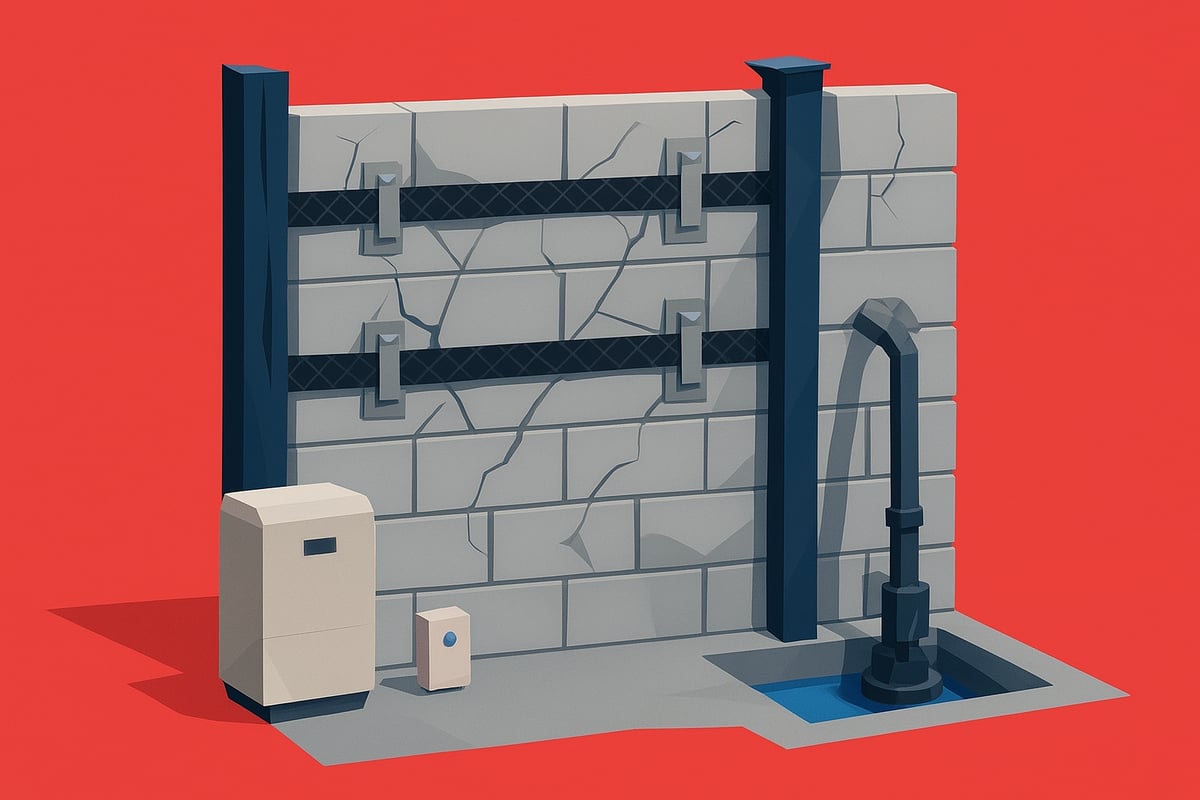
Structural Reinforcement Options
Cinder block foundation repair often begins with choosing the right reinforcement. The main options include carbon fiber straps, wall anchors, steel I-beams, and underpinning systems. Each targets different levels of wall movement and soil stress.
|
Method |
Best For |
Key Benefit |
|---|---|---|
|
Carbon Fiber Straps |
Minor bowing (up to 2" deflection) |
Discreet, non-invasive |
|
Wall Anchors |
Moderate to severe bowing |
Strong lateral support |
|
Steel I-Beams |
Severe wall failure |
Maximum rigidity |
|
Helical/Push Piers |
Settlement or sinking |
Lifts and stabilizes |
Selecting the right structural system depends on the severity of damage and soil conditions. For cinder block foundation repair, professionals weigh these factors before recommending a solution.
Waterproofing Technologies for 2026
Water intrusion remains one of the top threats to cinder block foundation repair success. Modern waterproofing combines smart sump pumps, French drains, vapor barriers, and encapsulation systems.
-
Smart sump pumps provide real-time monitoring and alerts.
-
Interior and exterior French drains divert groundwater away from the walls.
-
Vapor barriers and wall encapsulation reduce humidity and prevent moisture migration.
-
Dehumidifiers help maintain safe indoor air quality.
Homes equipped with comprehensive drainage and vapor control see a dramatic drop in water-related issues, making these technologies vital for any cinder block foundation repair plan.
Addressing Foundation Settlement and Heaving
Settlement and heaving can cause uneven floors, cracked walls, and misaligned doors. These issues often stem from poor soil compaction, expansive clay, or persistent water infiltration.
Cinder block foundation repair for settlement may involve underpinning with helical or push piers, which stabilize and even lift sunken sections. Mudjacking and soil stabilization are also used for less severe cases.
For accurate diagnosis, look for differential movement across the foundation. Helical piers, for example, can restore levels within tight tolerances, helping prevent further structural stress.
Mold Remediation and Air Quality Improvement
Moisture problems in cinder block foundations often lead to mold growth, impacting both health and property value. Effective cinder block foundation repair must include mold remediation and improved ventilation.
Steps include:
-
Removing affected materials safely
-
Sealing cracks and waterproofing walls
-
Installing dehumidifiers and proper ventilation
These measures not only remove current mold but also prevent future outbreaks, supporting a healthier indoor environment.
Cost Factors and Return on Investment
Cinder block foundation repair costs in 2026 range from minor crack fixes to major structural overhauls. Prices depend on severity, repair method, and site accessibility.
Key cost drivers:
-
Size and extent of damage
-
Chosen repair technology
-
Labor and materials
-
Accessibility and site conditions
Average costs span $2,000 for small repairs to $15,000 or more for major projects. According to Remodeling Magazine, homeowners can recoup up to 85% of repair costs at resale. For a more detailed breakdown, visit Foundation Repair Costs Explained.
Insurance may cover some structural issues, and reputable contractors offer warranties for peace of mind. Investing in quality repairs protects both safety and property value.
Preventing Cinder Block Foundation Problems: Proactive Maintenance Strategies
Proactive maintenance is the cornerstone of long-term home stability. By focusing on prevention, homeowners can minimize the risk of costly cinder block foundation repair and safeguard their property against hidden threats. Let us explore four essential strategies every homeowner should implement in 2026.
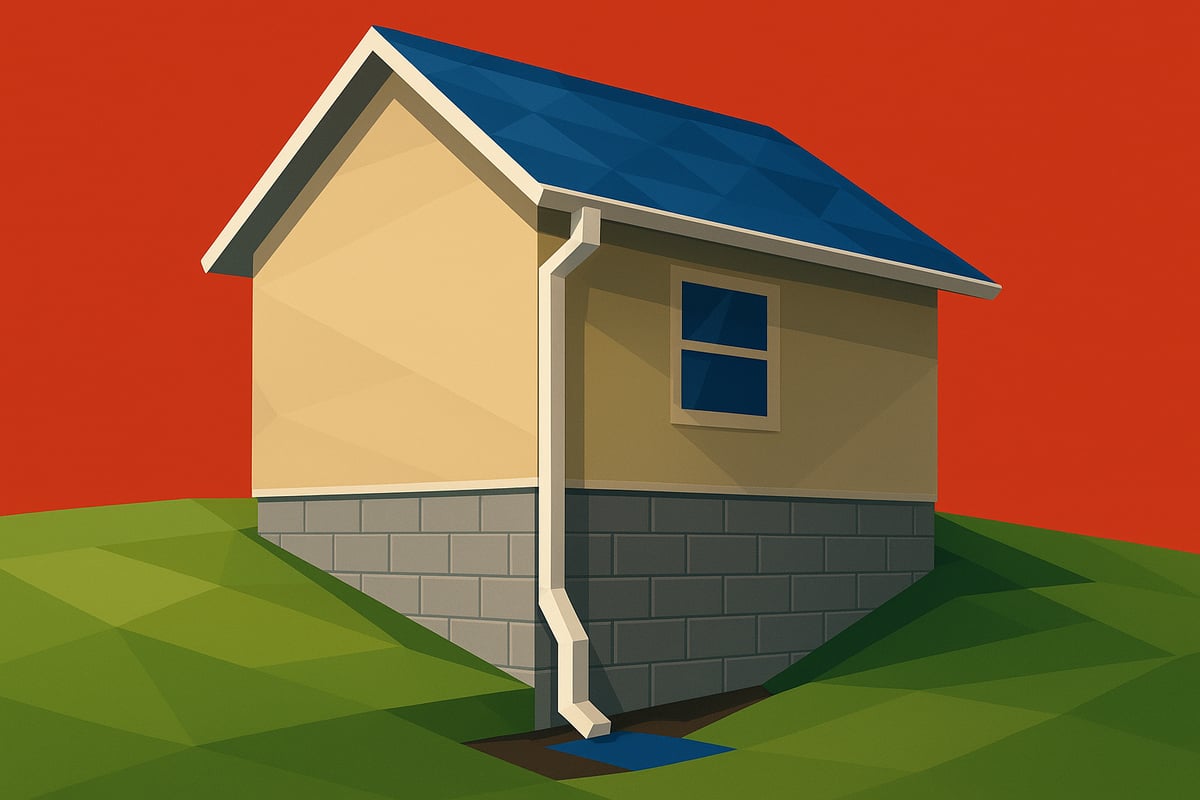
Yard and Landscape Grading
Proper landscape grading is vital in preventing water from pooling near your home. Always ensure the soil slopes away from the foundation by at least six inches over the first ten feet. This simple adjustment directs water away, reducing hydrostatic pressure on basement walls and lowering the risk of cinder block foundation repair.
-
Regularly inspect soil levels and add fill as needed.
-
Use mulch to enhance drainage while protecting against erosion.
-
Avoid planting water-loving shrubs or trees close to the house, as their roots can disrupt soil stability.
According to recent studies, improper grading contributes to nearly 40% of basement water issues. For additional moisture protection, consider reviewing Cinder Block Foundation Repair Methods to learn about effective sealing options.
Gutter and Downspout Maintenance
Gutters and downspouts are your first line of defense against water intrusion. Clean them twice a year to prevent clogs and overflow, which can cause water to seep along foundation walls and necessitate cinder block foundation repair.
-
Install downspout extensions to channel water at least six feet from your foundation.
-
Use gutter guards if your home is surrounded by trees or prone to debris buildup.
-
Inspect for leaks or sagging and repair promptly.
Homes with well-maintained gutter systems are 50% less likely to experience foundation leaks. Consistent maintenance significantly reduces the risk of water-related structural problems.
Interior Monitoring and Early Warning Signs
Early detection is crucial for avoiding extensive cinder block foundation repair. Regularly check basement walls and floors for new cracks, damp spots, or discoloration. Use humidity sensors and moisture alarms in areas susceptible to leaks.
-
Address musty odors immediately, as they may indicate hidden moisture or mold.
-
Keep a detailed maintenance log to track changes over time.
-
Investigate any uneven floors or sticking doors promptly.
By staying vigilant and documenting issues, you can catch problems before they escalate into significant repairs.
Scheduling Regular Professional Inspections
Annual inspections by a qualified contractor are a proactive investment. Professionals can identify subtle signs of distress that homeowners might overlook, helping you avoid expensive cinder block foundation repair in the future.
-
Expect a comprehensive assessment of both interior and exterior foundation conditions.
-
Request a written report with recommendations for preventive measures.
-
Use inspection results to update your maintenance plan and budget accordingly.
Studies show that early intervention from annual inspections can reduce repair costs by up to 60%. Peace of mind and long-term savings are invaluable benefits of this approach.
Choosing the Right Foundation Repair Contractor in 2026
Selecting the right professional for cinder block foundation repair is critical for your home's safety and value. With dozens of contractors available, knowing what to look for can save you time, money, and stress. The right choice ensures lasting results and peace of mind throughout the repair process.
What to Look for in a Foundation Repair Specialist
When hiring a cinder block foundation repair contractor, prioritize experience, credentials, and transparency. Seek specialists who are fully licensed, insured, and have industry certifications. These qualifications protect you from liability and indicate a commitment to professional standards.
Look for contractors with a proven track record in cinder block foundation repair. Check for positive local reviews and ask for references from previous clients. This helps you gauge their reputation and the quality of their work.
Request detailed written estimates and ensure pricing is clear. Reliable companies, such as those offering Foundation Repair Solutions, will outline the scope of work, materials, and expected outcomes. Transparency at this stage builds trust and helps you make informed decisions.
Questions to Ask Before Hiring
Before signing a contract, ask the right questions to ensure your cinder block foundation repair project is in capable hands. Start by inquiring about the repair methods recommended for your specific issue. A reputable contractor should explain their approach and why it fits your situation.
Ask about warranties or guarantees provided for both labor and materials. Understanding these terms helps you evaluate the long-term value of the repair. Clarify how the contractor will address underlying causes, not just visible symptoms.
Discuss the project timeline and any expected disruptions to your daily routine. Clear communication at this stage prevents surprises and ensures that your expectations align with the contractor's plan. Always request clarification on any points you do not fully understand.
Comparing Repair Proposals and Costs
When comparing cinder block foundation repair proposals, focus on the scope of work, materials used, and labor involved. Be cautious of unusually low quotes, as these may signal shortcuts or inferior materials. Comprehensive repairs often cost more upfront but save money over time by preventing recurring problems.
Review each proposal for long-term value, not just initial price. An investment in quality materials and skilled labor often leads to better outcomes. For current pricing trends, consult resources like Foundation Repair Cost in 2026 to benchmark estimates for your region.
Consider the warranty terms and contractor reputation alongside cost. Remember, thorough repairs add value to your home and reduce the risk of future structural issues.
Red Flags and How to Avoid Scams
Protect yourself by watching for warning signs during the cinder block foundation repair contractor selection process. Be wary of high-pressure sales tactics or vague, incomplete contracts. Contractors without references or a professional online presence may lack the necessary experience.
Avoid firms that do not provide written warranties or clear guarantees. A reputable contractor will always stand by their work. Watch for:
|
Red Flag |
Why It Matters |
|---|---|
|
No references |
May indicate poor track record |
|
Vague estimates |
Hides real costs or scope |
|
No written warranty |
No recourse for poor work |
|
High-pressure sales |
Pushes hasty decisions |
Always choose established, reputable specialists who communicate openly, provide documentation, and respect your concerns. This approach dramatically reduces the risk of scams and ensures your project’s success.
Frequently Asked Questions About Cinder Block Foundation Repair
Homeowners often have important questions about cinder block foundation repair. Below, we answer the most common concerns to help you make informed decisions and protect your home’s structural integrity.
What are the warning signs of cinder block foundation problems?
Look for cracks (horizontal, vertical, or stair-step) in the blocks or mortar joints, bowing walls, water seepage, musty odors, and uneven floors. Early detection is crucial for successful cinder block foundation repair and minimizing further damage.
Can I repair small cracks in my cinder block foundation myself?
For hairline or minor cracks, you can use hydraulic cement or epoxy injection as a temporary solution. However, monitor closely for worsening cracks or moisture. If issues persist, consult a professional for a thorough evaluation.
What causes bowing or bulging foundation walls?
Bowing often results from hydrostatic pressure, poor drainage, freeze-thaw cycles, or expansive soils. Learn more about these Common Foundation Wall Problems and how they affect cinder block foundations.
How much does cinder block foundation repair cost?
Costs vary widely depending on the severity and method of repair. Minor crack fixes might range from $2,000, while major structural reinforcement can exceed $15,000. Always request detailed estimates and compare proposals.
What are the best methods for waterproofing after repairs?
Waterproofing is essential after any cinder block foundation repair. Solutions include sump pumps, French drains, vapor barriers, and exterior coatings. These measures help prevent future moisture intrusion and mold growth.
How can I prevent future cinder block foundation problems?
Maintain proper grading around your home, keep gutters clean, and direct downspouts away from the foundation. Schedule annual inspections and address drainage issues promptly to reduce the risk of future repairs.
How long does cinder block foundation repair typically take?
Most repairs take one to several days, depending on the extent of the damage and the chosen method. Severe cases involving wall anchors or reinforcement may require more time for proper installation.
When should I call a professional for cinder block foundation repair?
If you see large cracks, significant wall movement, persistent water problems, or repeated repairs that fail, contact a licensed specialist. Professional assessment ensures accurate diagnosis and effective long-term solutions.
Why choose Aspen Foundation Repairs for your foundation needs?
Aspen Foundation Repairs brings over 20 years of expertise in cinder block foundation repair, waterproofing, and mold remediation. Their team offers free consultations and custom solutions for Colorado homeowners. Ready for peace of mind? Reach out to Aspen Foundation Repairs for a comprehensive inspection today.
As you’ve seen throughout this guide, a strong foundation is essential for your home’s safety and long-term value, especially with the unique challenges cinder block structures face in Colorado’s climate. Whether you’ve spotted hairline cracks, bowing walls, or persistent moisture, taking early action can make all the difference. If you’re ready for expert support tailored to your local soil and weather, Aspen Foundation Repairs brings over 20 years of experience to every project. Let’s make sure your home stays safe, dry, and stable for years to come—take the first step and [Get Free Estimate](https://www.aspenfoundationrepairs.com/free-estimate.html).
