

Sealing Foundation Cracks Guide: Expert Tips for 2026
Did you know that ignoring small cracks in your home's foundation can lead to repair bills exceeding $10,000? Timely action on sealing foundation cracks is essential to protect your property and avoid massive expenses.
This comprehensive guide provides expert-backed, step-by-step instructions for sealing foundation cracks in 2026. You'll discover the main causes of cracks, how to assess their severity, effective sealing methods, preventative strategies, and when to call for professional help.
By staying informed and proactive, you can safeguard your home's value and safety. Keep reading for actionable tips that could save you thousands.
Understanding Foundation Cracks: Types, Causes, and Risks
Foundation cracks are more than just cosmetic blemishes. They can reveal vital clues about your home's health and structural safety. Recognizing the signs early and understanding what causes them is crucial to protecting your investment and making informed decisions about sealing foundation cracks.
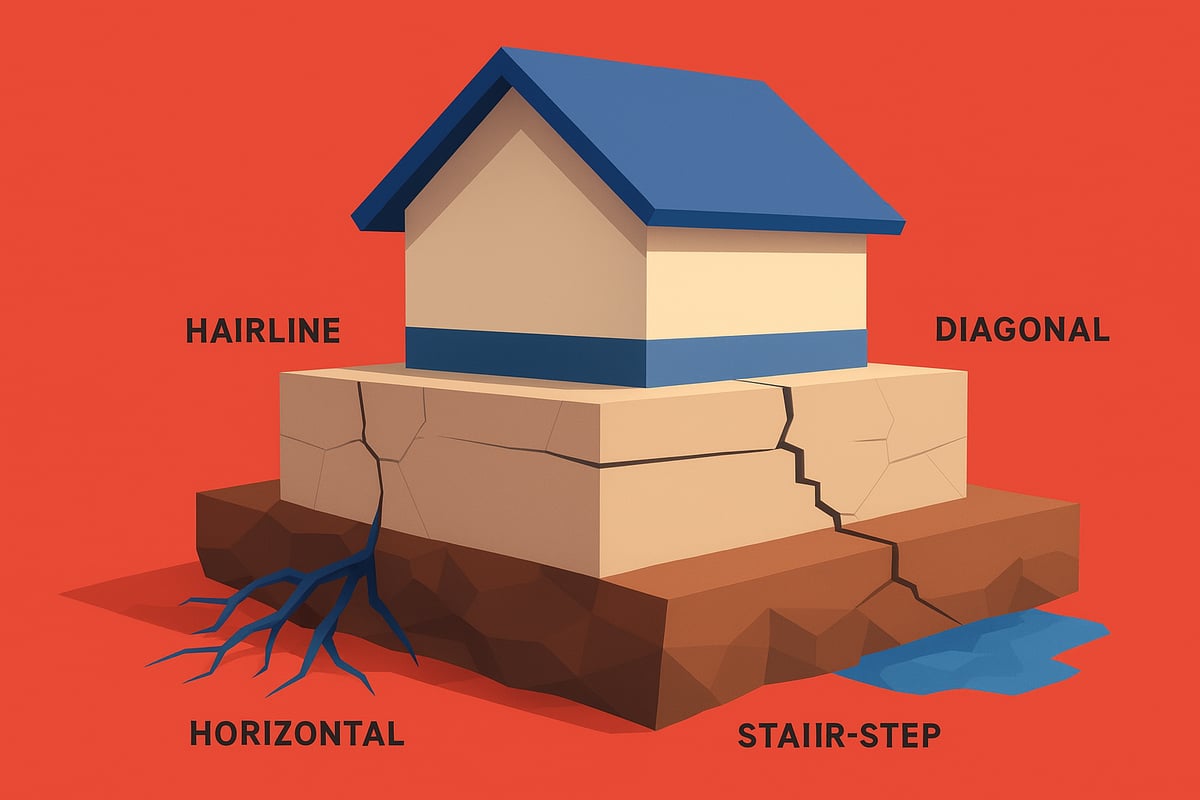
Common Types of Foundation Cracks
Foundation cracks come in several forms, each with unique visual traits and implications. Understanding these differences is the first step toward effective sealing foundation cracks.
|
Crack Type |
Appearance |
Severity |
|---|---|---|
|
Hairline |
Thin, barely visible |
Often cosmetic |
|
Vertical |
Straight up/down |
Can be minor or major |
|
Horizontal |
Across wall, side to side |
Often structural |
|
Diagonal |
Angled, corner to floor |
May indicate movement |
|
Stair-Step |
Follows mortar joints |
Signals shifting |
Hairline cracks are typically small and result from concrete curing. However, horizontal cracks, especially those wider than 1/8 inch, may suggest serious foundation movement. In Colorado, stair-step cracks are common due to shifting soils and freeze-thaw cycles.
Not all cracks require immediate action, but distinguishing between harmless and warning-sign cracks is essential. For more details about identifying and interpreting these warning signs, consult Foundation Problems and Warning Signs.
Causes of Foundation Cracks
Several factors contribute to foundation cracks. The most common cause is soil movement beneath your home. Expansive clay, prevalent in Western Colorado, swells with moisture and contracts during dry periods, placing stress on foundations.
Hydrostatic pressure from poor drainage or heavy rainfall can force water against foundation walls, leading to cracks. Tree roots searching for water may disrupt soil stability, while freeze-thaw cycles cause repeated expansion and contraction of materials.
Older homes may experience cracks due to aging concrete or construction flaws. Even new builds are vulnerable if site preparation or drainage was inadequate. Understanding these causes helps target the best approach to sealing foundation cracks.
Risks of Ignoring Foundation Cracks
Ignoring foundation cracks can have serious consequences. Water can seep through gaps, leading to mold growth, wood rot, and pest infestations. Over time, cracks may widen, undermining the structural integrity of your home.
According to the National Association of Home Builders, 60 percent of U.S. homes built on clay-rich soils experience some foundation movement. Left unchecked, minor cracks can evolve into major repairs, decreasing property value and increasing costs.
Promptly sealing foundation cracks reduces these risks and protects your home's long-term safety and worth.
Assessing Foundation Cracks: Inspection and Diagnosis
Foundation cracks can be alarming, but a careful inspection empowers you to make informed decisions about sealing foundation cracks. By following expert-backed steps, you will know when DIY is sufficient and when professional help is needed.
DIY Inspection Checklist
A thorough inspection is your first defense in sealing foundation cracks. Gather these tools:
-
Flashlight for visibility
-
Measuring tape for crack dimensions
-
Crack gauge or ruler for width
-
Moisture meter for dampness
Begin by examining both interior and exterior walls. Look for any signs of movement, water stains, or mold. Record each crack’s width, length, and location. Consistent documentation is crucial for tracking changes and planning effective sealing foundation cracks.
Use a table to organize findings:
|
Crack Location |
Type |
Width (inches) |
Length (inches) |
Moisture Present |
|---|---|---|---|---|
|
Basement SE |
Vertical |
0.09 |
24 |
No |
|
Garage Wall |
Diagonal |
0.12 |
36 |
Yes |
This method ensures you capture all essential details for ongoing monitoring.
Determining Severity and Urgency
Not all cracks are equal. Knowing which require urgent attention is vital for sealing foundation cracks safely.
Differentiate between:
-
Active cracks (growing over time)
-
Dormant cracks (stable, no change)
Horizontal and wide cracks often signal structural issues, while thin vertical ones are usually cosmetic. For example, in Grand Junction, a 1/8-inch horizontal crack indicated wall bowing and needed immediate action.
If you are unsure about a crack’s severity or need more in-depth repair options, review Basement Crack Repair Methods for professional techniques and solutions.
Documenting and Monitoring Cracks Over Time
Effective sealing foundation cracks starts with continuous monitoring. Set up a log, either with a notebook or a smartphone app, to track each crack’s progress.
Steps for documentation:
-
Write the date and measurements
-
Take clear, well-lit photos from the same angle
-
Note environmental conditions (rain, freeze, etc.)
Regular updates help you spot rapid changes or new cracks, informing your maintenance strategy.
When to Call a Professional
Some warning signs mean you should not delay expert help for sealing foundation cracks. Watch for:
-
Rapidly widening cracks
-
Water leaks or dampness
-
Sagging floors or ceilings
-
Sticking doors or windows
If you notice any of these, or multiple cracks forming at once, a professional assessment is critical. Large or complex cracks may hide significant structural problems.
Expert Help from Aspen Foundation Repairs
Aspen Foundation Repairs provides free, no-obligation estimates for sealing foundation cracks in Mesa County and the surrounding Colorado region. Their team brings over 20 years of experience with local soils and climate, offering precise diagnosis and tailored solutions.
Fully licensed and insured, they deliver peace of mind with comprehensive repair options. Trust their expertise to protect your home’s foundation and value.
Step-by-Step Guide to Sealing Foundation Cracks
Addressing foundation cracks promptly is essential to protect your home from water intrusion and costly repairs. This detailed guide walks you through sealing foundation cracks with proven techniques, helping you achieve lasting results and peace of mind.
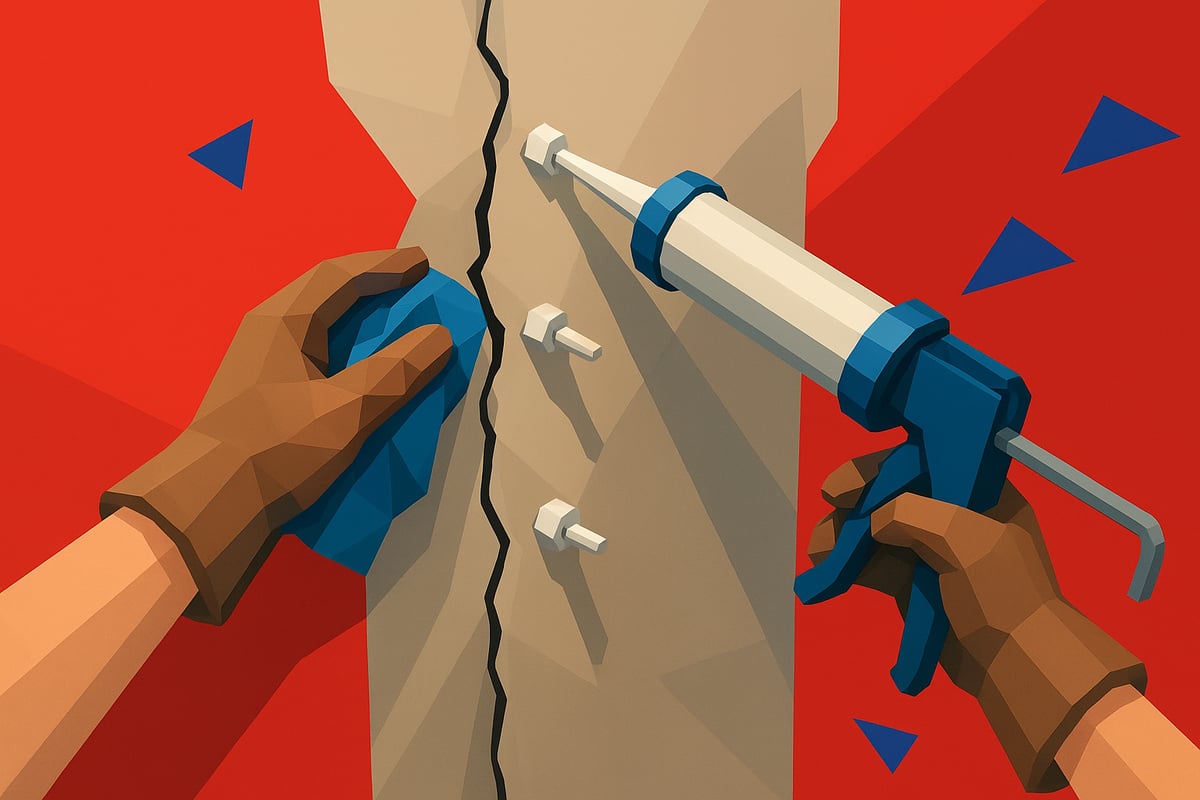
Step 1: Preparing the Area
Proper preparation is the foundation of success when sealing foundation cracks. Start by clearing any debris from the area surrounding the crack. Use a stiff wire brush to remove loose concrete, dirt, and dust. This ensures the sealant bonds effectively with the foundation.
If the crack is damp, dry it thoroughly with a clean rag or a fan. Moisture can compromise adhesion and lead to future leaks. For safety, put on gloves, goggles, and ensure the space is well-ventilated, especially when using chemical sealants.
A clean, dry surface is critical for sealing foundation cracks to last. Take time to inspect nearby surfaces for additional cracks or signs of moisture. Addressing preparation thoroughly sets the stage for a strong, durable repair.
Step 2: Selecting the Right Sealant
Choosing the best product is vital for effective sealing foundation cracks. Four main types of sealants are commonly used:
-
Epoxy injections: Ideal for structural cracks, providing a rigid, high-strength bond.
-
Polyurethane foam: Best for flexible, non-structural cracks or areas prone to slight movement.
-
Hydraulic cement: Suitable for quick patches in dry conditions, though less flexible.
-
Masonry caulk: Appropriate for small, cosmetic cracks with minimal movement.
Assess the crack’s size, orientation, and exposure to moisture. For example, epoxy is recommended when sealing foundation cracks that threaten structural integrity, while polyurethane foam excels where some flexibility is needed. Always match the sealant to the specific crack conditions for optimal results.
Step 3: Applying the Sealant
The application process varies slightly depending on the chosen product, but the fundamentals remain consistent for sealing foundation cracks. For deep or wide cracks, install injection ports along the length of the crack, spaced 6–12 inches apart. Secure them with an epoxy paste, then allow it to set.
Mix the sealant according to the manufacturer’s instructions. Using a caulk gun or injection tool, slowly inject the sealant, starting from the lowest port and moving upward. This helps fill the entire depth of the crack and prevents air pockets.
For surface-level cracks, apply the sealant directly with a putty knife, smoothing it for an even finish. Carefully inspect the application to ensure full coverage, as missed spots can allow water intrusion. Take your time—precision in sealing foundation cracks leads to long-term durability.
Step 4: Curing and Finishing
After application, curing is a crucial step in sealing foundation cracks. Follow the manufacturer’s recommended cure times, which can range from a few hours to several days, depending on the product and environmental conditions.
Once cured, inspect the repair for any gaps or leaks. Lightly tap the surface to check for hollow sounds that may indicate incomplete filling. If necessary, apply an additional layer of sealant.
For added protection, consider repainting or applying a waterproof coating over the repaired area. This extra step helps prevent future moisture issues and extends the life of your repair. Consistent attention to finishing details ensures your effort in sealing foundation cracks pays off.
Common Mistakes to Avoid
Many homeowners encounter setbacks when sealing foundation cracks due to avoidable mistakes. Here are pitfalls to watch for:
-
Overfilling or underfilling cracks, causing uneven surfaces or incomplete seals.
-
Using the wrong sealant for the crack’s type or moisture level.
-
Neglecting to address underlying moisture problems before sealing.
-
Rushing the curing process, which can compromise the repair’s strength.
For example, a homeowner in Rifle, CO, struggled with recurring leaks after using the wrong sealant for an active, flexible crack. Taking the time to research and match the product to the crack type is essential for success in sealing foundation cracks.
Cost Estimates and DIY vs. Professional Repair
Understanding the costs associated with sealing foundation cracks helps you make informed decisions. DIY repairs typically cost between $50 and $200 per crack, depending on the sealant and tools required. Professional repairs can range from $500 to $2,500 or more, especially for structural or complex issues.
Here’s a quick comparison:
|
Repair Type |
Typical Cost Range |
Pros |
Cons |
|---|---|---|---|
|
DIY |
$50–$200 |
Lower upfront cost, control |
Higher failure rate, limited by experience |
|
Professional |
$500–$2,500+ |
Guaranteed results, warranty |
Higher cost, scheduling |
According to recent Foundation Repair Cost Estimates, many factors influence final pricing, such as crack size, location, and underlying causes. Studies show up to 40% of DIY attempts fail within five years due to incomplete preparation or improper product selection. Investing in professional help can provide long-term value, especially for large or structural cracks.
Preventing Future Foundation Cracks: Maintenance and Upgrades
Preventing foundation problems before they start is the best way to protect your home’s value and safety. Regular maintenance, strategic landscaping, and smart upgrades can make sealing foundation cracks a rare necessity, not a recurring headache.

Managing Water Drainage and Moisture
Effective water management is the cornerstone of sealing foundation cracks prevention. Improper grading, clogged gutters, and short downspouts allow water to collect near your foundation, increasing hydrostatic pressure and risk of cracking.
-
Ensure soil slopes away from your home.
-
Clean gutters and extend downspouts at least 6 feet from the foundation.
-
Consider French drains or a sump pump in areas with heavy runoff.
According to the Foundation Repair Association, poor drainage is linked to 80 percent of foundation issues. For detailed guidance on keeping your basement dry and your foundation stable, visit Preventing Foundation Water Intrusion. Proactive moisture control not only reduces the frequency of sealing foundation cracks but also protects against mold and pests.
Soil and Landscaping Strategies
Your yard’s design directly affects your foundation’s health. Planting trees or large shrubs too close to the foundation can cause root intrusion and soil drying, both of which contribute to cracking.
-
Plant trees at least 20 feet from the foundation.
-
Use root barriers to limit invasive growth.
-
Choose drought-resistant plants and mulch garden beds to retain soil moisture.
Proper landscaping helps maintain consistent soil moisture, minimizing expansion and contraction that can lead to sealing foundation cracks. Thoughtful plant selection and placement are simple yet effective ways to safeguard your home’s base.
Seasonal Maintenance Tips
Colorado’s freeze-thaw cycles and heavy rains can stress any foundation. Regular inspections and timely repairs are key to avoiding expensive damage and repeated sealing foundation cracks.
-
Inspect foundation walls after winter and major storms.
-
Seal any new exterior cracks annually.
-
Schedule professional inspections every spring and fall.
Documenting even small changes helps catch problems early. Consistent seasonal maintenance keeps your foundation resilient, and early action can prevent minor issues from escalating.
Upgrading Foundation Waterproofing
Advanced waterproofing goes beyond basic crack sealing. Installing vapor barriers, waterproof coatings, or interior drainage systems offers long-term protection against moisture and structural stress.
|
Waterproofing Method |
Benefit |
|---|---|
|
Vapor barriers |
Blocks ground moisture |
|
Exterior coatings |
Shields against rain/snow |
|
Interior drainage |
Redirects water away |
Upgrading these systems reduces the need for frequent sealing foundation cracks and extends the life of your foundation. Basement waterproofing is a wise investment for homes in high-risk areas.
Addressing Structural Issues Early
Timely repairs are crucial. Reinforcing weak foundation walls with carbon fiber straps or steel braces can halt crack progression. Addressing minor cracks as soon as they appear can prevent larger, costlier repairs later.
-
Monitor for early warning signs like bowing walls or uneven floors.
-
Repair small cracks promptly to avoid expansion.
-
Consult professionals for structural reinforcements if needed.
By staying vigilant and repairing issues quickly, homeowners can minimize the likelihood of sealing foundation cracks becoming a recurring problem.
When to Hire a Professional: Evaluating DIY Limits and Expert Solutions
Recognizing when sealing foundation cracks requires expert attention is vital for your home's safety and value. While minor cracks might seem manageable, overlooking warning signs can lead to severe structural issues and escalating repair costs. Knowing your limits helps you avoid costly mistakes and ensures lasting results.
Signs You Need Professional Help
Certain symptoms signal it is time to move beyond DIY efforts for sealing foundation cracks. Cracks wider than 1/4 inch, multiple or rapidly growing cracks, and those accompanied by water leakage are red flags. Structural indicators such as uneven floors, sticking doors or windows, and tilting chimneys also point to underlying issues. If you notice any of these, prompt professional assessment is crucial. Homes with untreated structural cracks are three times more likely to experience major foundation failure within a decade, making early intervention essential.
Professional Repair Techniques
Experts use advanced methods far beyond typical DIY solutions for sealing foundation cracks. Common techniques include wall anchors, helical piers, underpinning, and carbon fiber reinforcement. These approaches address not just the visible cracks but also the underlying causes, such as soil instability or hydrostatic pressure. For a deeper understanding of how these methods integrate laboratory research with real-world repairs, see this review of Crack Repair in Concrete Structures. Professional repairs ensure both immediate and long-term structural stability.
What to Expect During a Professional Assessment
A thorough assessment for sealing foundation cracks involves a detailed inspection of both the interior and exterior foundation walls. Professionals use specialized tools and may conduct soil testing to identify moisture levels or shifting ground. After the inspection, you will receive a clear report outlining the root causes, recommended solutions, and an estimated timeline for repairs. Transparency in this process helps you make informed decisions and avoids repeated, unnecessary patchwork. For example, addressing the root problem can save thousands compared to repeated cosmetic fixes.
Choosing the Right Contractor
Selecting a qualified contractor for sealing foundation cracks is as important as the repair itself. Always verify the contractor's licenses, insurance coverage, and relevant certifications. Ask for local references and check reviews, particularly from homeowners in areas with similar soil and climate challenges. Look for contractors who offer detailed written estimates, clear communication, and strong warranties. Local expertise is especially valuable in regions like Western Colorado, where unique environmental factors play a major role in foundation performance.
Financing and Warranty Options
The cost of sealing foundation cracks can vary widely based on severity and repair method. Many reputable contractors offer flexible payment plans, making repairs more accessible for homeowners. Long-term warranties provide added peace of mind, ensuring that the work remains protected for years to come. For a comprehensive look at national averages and what you might expect to pay, consult these Foundation Repair Cost Statistics. Investing in professional repairs not only protects your property but also supports its resale value and safety.
Foundation Crack Sealing Innovations and Trends for 2026
Innovations in sealing foundation cracks are transforming how homeowners protect their properties. With rapid advancements in materials, technology, and sustainability, 2026 offers smarter, more resilient solutions than ever before.
New Materials and Technologies
The future of sealing foundation cracks centers on materials engineered for flexibility, strength, and adaptability. Flexible sealants using nanotechnology now provide a longer-lasting barrier against moisture and movement. Eco-friendly products, including low-VOC and recycled-content sealants, are gaining popularity for their reduced environmental impact.
One significant breakthrough is the development of self-healing concrete, which allows minor cracks to repair themselves automatically. For a deeper dive into these advancements, explore Self-Healing Concrete Innovations, which showcases how these technologies are shaping the future of crack repair.
Smart crack monitoring sensors are also entering the market, enabling real-time detection of changes in foundation integrity. These sensors alert homeowners to new or expanding cracks before they become serious problems.
Climate-Resilient Solutions
Sealing foundation cracks in 2026 means addressing the challenges posed by extreme weather. New products are designed to withstand freeze-thaw cycles, heavy rainfall, and UV exposure, making them ideal for regions with unpredictable climates.
Manufacturers now test polyurethane foams and flexible sealants in variable environments, ensuring they maintain performance under stress. Homeowners in areas like Colorado benefit from these innovations, as products are tailored to handle expansive soils and rapid temperature changes.
These climate-resilient solutions help reduce future repairs and extend the lifespan of foundation repairs.
DIY Tools and Apps
Technology is making it easier than ever for homeowners to monitor and address foundation issues. DIY injection kits are now more user-friendly and affordable, allowing for precise application of sealants.
Mobile apps enable users to track cracks, set reminders for inspections, and receive moisture alerts. New advances in crack detection, such as Crack Detection Using 3D Point Clouds, leverage artificial intelligence to analyze foundation surfaces and identify areas needing attention.
Integrating these digital tools streamlines the process of sealing foundation cracks and empowers homeowners with actionable data.
Green and Sustainable Practices
Sustainability is a growing focus in sealing foundation cracks. Homeowners are increasingly choosing low-VOC, non-toxic sealants that improve indoor air quality. Manufacturers are also incorporating recycled materials into their products, reducing resource consumption.
Water management systems, such as permeable drainage layers and rainwater harvesting, are being used to prevent excessive soil moisture near foundations. These solutions not only protect structures but also conserve natural resources.
Sustainable approaches help ensure that foundation maintenance has a positive impact on both homes and the environment.
Regulatory and Code Updates
Building codes for sealing foundation cracks are evolving to reflect new technologies and environmental standards. In 2026, stricter requirements for moisture barriers, product certifications, and installation practices are expected to take effect.
Local regulations in Colorado are also being updated to address unique soil and climate challenges. Homeowners and contractors must stay informed about these changes to ensure compliance and long-term protection.
Understanding regulatory updates helps avoid costly mistakes and ensures repairs meet the latest standards.
Expert Predictions for the Future
Industry experts predict continued growth in smart technologies and sustainable materials for sealing foundation cracks. Surveys show that 70 percent of contractors plan to adopt new sealing technologies by 2026.
Homeowners are expected to become more proactive, using digital tools for early detection and maintenance. As innovations continue, foundation repair will become more efficient, cost-effective, and environmentally friendly.
The future of foundation care lies in combining advanced materials, smart monitoring, and eco-conscious practices to safeguard homes for years to come.
Taking care of foundation cracks early helps you protect your home’s value and avoid expensive repairs down the road. With the expert advice and step by step solutions we’ve covered, you’re already ahead in safeguarding your property from Colorado’s unpredictable soil and weather. If you notice cracks that seem concerning or just want peace of mind, connecting with a local expert can make all the difference. You deserve lasting stability and a healthy foundation—don’t wait until small issues become big headaches.
Get Free Estimate
