

Comprehensive Guide to the Cost of Foundation Piers in 2026
Foundation problems are becoming a growing concern for homeowners as unpredictable weather and shifting soils impact property stability in 2026. Cracked walls, uneven floors, and sticking doors are signs that cannot be ignored.
This comprehensive guide delivers a clear, data-driven look at the cost of foundation piers, helping you understand where your investment goes. We break down the numbers using the latest 2026 data so you can make informed decisions.
You'll discover detailed cost breakdowns, the factors that influence pricing, the different types of piers available, and how these compare to other repair methods. We also cover financing, insurance, and expert tips for choosing the right solution.
If you're worried about foundation issues or just want to protect your home's value, this guide gives you the actionable insights you need. Let’s get started on securing your foundation for the future.
Understanding Foundation Piers: Types and Purposes
Foundation stability is a growing concern for homeowners, especially with shifting soil conditions and aging properties. Understanding the cost of foundation piers and their role in long-term repairs is crucial for making informed decisions.
What Are Foundation Piers?
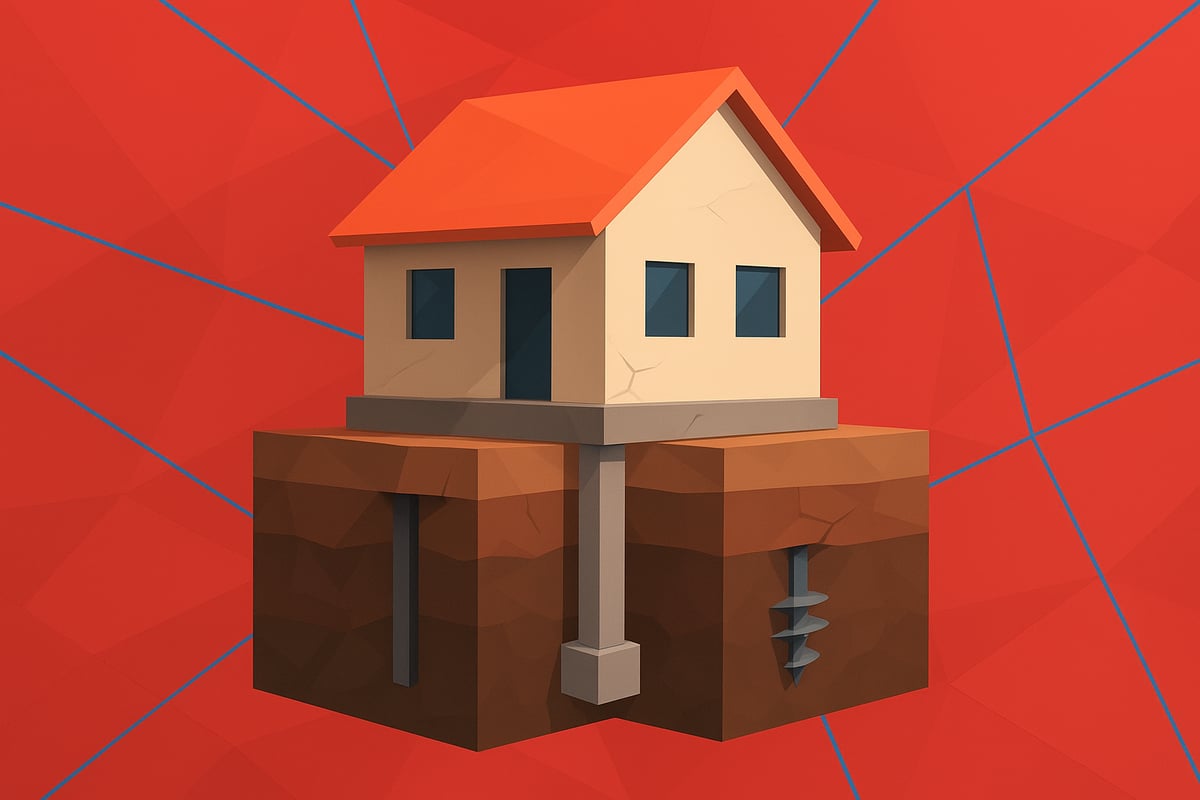
Foundation piers are robust structural elements installed beneath a building to support and stabilize its foundation. They transfer the load from the home down to stable soil or bedrock, addressing settlement and preventing further movement.
Homeowners often notice warning signs that suggest a need for foundation piers. These include visible cracks in walls, uneven floors, and doors or windows that stick. Such symptoms indicate that the structure is shifting due to soil instability or other underlying issues.
Underpinning with piers is considered a permanent solution, as it addresses the root cause rather than just masking the symptoms. Unlike temporary fixes such as mudjacking, which only lifts the surface, piers reach deep into stable ground for lasting results.
For example, homes built on expansive clay soils may experience significant sinking after heavy rains or drought. In these cases, installing piers ensures the foundation remains secure regardless of seasonal soil changes, making the cost of foundation piers a wise investment.
Types of Foundation Piers in 2026
There are several types of foundation piers available in 2026, each designed for specific soil conditions and structural needs. Understanding these options helps homeowners compare the cost of foundation piers and select the right solution for their property.
-
Steel push piers: Ideal for clay or sandy soils, these piers are driven down to bedrock. They typically range from $1,500 to $2,500 per pier.
-
Concrete piers: Best for areas with ongoing soil movement, costing between $2,000 and $3,000 per pier.
-
Helical piers: Used where steel piers cannot reach bedrock, these screw-like supports cost $2,500 to $3,500 each.
-
Segmented piers: A budget-friendly choice for moderate repairs, priced at $1,000 to $1,500 per pier.
-
Spot piers: Suitable for minor repairs or patios, generally starting at $1,000 per pier.
Here’s a quick comparison to help you evaluate your options:
|
Pier Type |
Best For |
Typical Cost (per pier) |
|---|---|---|
|
Steel Push |
Clay/sandy soils |
$1,500–$2,500 |
|
Concrete |
Ongoing soil movement |
$2,000–$3,000 |
|
Helical |
No bedrock access |
$2,500–$3,500 |
|
Segmented |
Budget repairs |
$1,000–$1,500 |
|
Spot |
Minor fixes/patios |
$1,000+ |
For more details on each type and their specific applications, visit this guide to the types of foundation piers.
When evaluating the cost of foundation piers, it’s essential to match the pier type to your home’s unique requirements. This ensures both long-term stability and cost efficiency.
When Are Foundation Piers Needed?
Foundation piers are recommended when your home faces major structural problems. Severe settling, large cracks in walls, and bowing basement walls are all signs that your foundation may need reinforcement.
Soil conditions play a significant role in determining the need for piers. Homes built on expansive clay, areas prone to erosion, or regions with poor drainage are at higher risk. Climate factors such as freeze-thaw cycles and seismic activity can also accelerate foundation movement, making the cost of foundation piers a necessary consideration.
For example, many homes in Colorado face variable soil conditions, leading to uneven settling. A typical repair in such regions may require 7 to 10 piers, with total expenses ranging from $7,000 to $30,000.
Most homeowners find that investing in the right number of piers not only corrects current issues but also prevents costly future repairs. By understanding when to act, you can protect your property and maximize your investment in foundation stability.
Detailed Cost Breakdown of Foundation Piers in 2026
Understanding the cost of foundation piers in 2026 is essential for homeowners planning structural repairs. With rising material and labor prices, being informed about the latest averages and what impacts your total investment helps you budget confidently and avoid surprises.
Average and Range of Foundation Pier Costs
In 2026, the national average cost of foundation piers is about $16,000 for a permanent repair project. Homeowners typically see a range from $7,000 to $30,000 depending on the size and complexity of the job. The per-pier cost of foundation piers falls between $1,000 and $3,500.
For example, if your home requires eight piers at $2,000 each, the total would be $16,000. This number can rise or fall based on the number of piers, foundation access, and soil conditions. For a more detailed breakdown of what goes into these numbers, see Foundation pier repair costs.
Here’s a summary table:
|
Project Size |
Number of Piers |
Cost per Pier |
Total Cost |
|---|---|---|---|
|
Small (minor repair) |
4–6 |
$1,000–$2,500 |
$4,000–$15,000 |
|
Medium (typical home) |
7–10 |
$1,500–$3,000 |
$10,500–$30,000 |
|
Large (complex case) |
12+ |
$2,000–$3,500 |
$24,000+ |
When planning your budget, always factor in the cost of foundation piers as the core expense, but remember that additional repairs or upgrades can affect your final bill.
Factors That Influence Foundation Pier Pricing
Several variables directly impact the cost of foundation piers for your home. The type of foundation is a primary driver: slab foundations are generally less expensive to repair than crawlspace or basement foundations, which may need more extensive work.
Preparation work is another major consideration. Tight access, landscaping removal, or hand digging around obstructions like decks can add labor hours. Drainage and waterproofing solutions, such as French drains ($2,000 to $6,000) or waterproof coatings ($500 to $3,000), are often recommended to prevent future issues.
Engineering and soil testing may add $750 to $2,500, ensuring the chosen pier system matches your soil type and structural needs. Local permits range from $25 to $500 or more, depending on municipal regulations.
Hidden obstacles, like tree roots or utility rerouting, can introduce unexpected costs ranging from $500 to $5,000. In areas prone to earthquakes or severe weather, additional reinforcement may be required, further increasing the cost of foundation piers.
To summarize the influencing factors:
-
Foundation type (slab, crawlspace, basement)
-
Site prep and access challenges
-
Drainage and waterproofing needs
-
Structural engineering and soil analysis
-
Permitting and local regulations
-
Hidden obstructions (roots, utilities)
-
Seismic or climate-specific requirements
Each of these elements can shift the total cost of foundation piers, so it’s vital to get a detailed estimate and project scope before starting work.
Regional Pricing Variations and Local Expertise
The cost of foundation piers can fluctuate significantly based on your location. Urban regions tend to have higher labor rates, while rural areas may see lower overall expenses but fewer specialized contractors. Soil conditions, climate, and regional building codes all contribute to final pricing.
For example, in western Colorado, variable soils and freeze-thaw cycles affect not only the number and type of piers required but also the installation methods. Homeowners in these areas may face unique challenges, such as expansive clay or erosion-prone soils, which can raise the cost of foundation piers.
Hiring local experts familiar with your region’s soil and climate is crucial. They understand the nuances of local conditions and can recommend pier systems that provide long-term stability. This expertise helps ensure that your investment in the cost of foundation piers pays off through decades of structural security.
Always request references and check contractor experience with similar soil profiles in your area to maximize the value of your repairs.
Aspen Foundation Repairs: Your Colorado Foundation Experts
Aspen Foundation Repairs is a trusted name for Colorado homeowners seeking transparent, reliable solutions for the cost of foundation piers. With over 20 years of experience handling local soil and climate challenges, they offer a full range of services, including:
-
Foundation repair and pier installation
-
Foundation replacement and structural upgrades
-
Waterproofing and mold remediation
Clients receive free estimates and access to flexible financing options, helping make the cost of foundation piers manageable for projects of any size. Aspen Foundation Repairs uses warrantied, industry-leading products and customizes solutions for each property.
Their service area covers Mesa County and surrounding regions, ensuring local expertise is always within reach. For homeowners looking to secure their home’s value and safety, Aspen Foundation Repairs is a valuable partner for every step of the process.
Comparing Foundation Piering to Alternative Solutions
When your home faces foundation problems, understanding all available repair options is crucial. The cost of foundation piers is often a primary concern, but it's important to weigh this against alternative solutions for both immediate needs and long-term stability.
Piering vs. Slabjacking (Mudjacking): Cost and Effectiveness
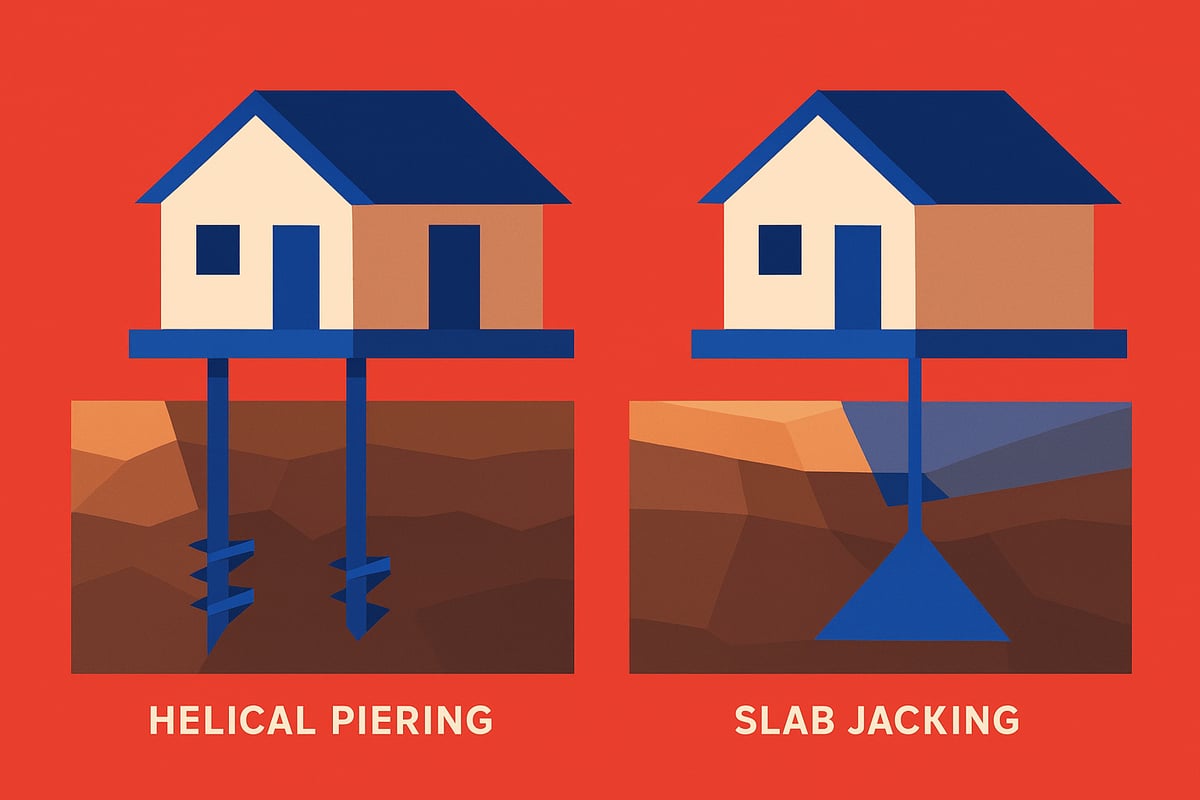
Foundation piering and slabjacking are two of the most common structural repair methods. The cost of foundation piers typically ranges from $7,000 to $30,000 for a full project, while slabjacking usually costs between $2,000 and $7,500. Piering involves installing steel, helical, or concrete piers deep into stable soil, providing a permanent solution for severe settling or structural instability.
Slabjacking, on the other hand, injects grout beneath a sinking concrete slab to lift it back into place. This method is less invasive, requiring only small holes, but is generally considered a temporary fix. Homeowners may need to repeat slabjacking every 5 to 10 years, especially if underlying soil issues persist.
Below is a comparison table summarizing key differences:
|
Method |
Cost Range |
Longevity |
Use Cases |
Process |
|---|---|---|---|---|
|
Piering |
$7,000–$30,000 |
Permanent |
Major settling, cracks |
Deep soil anchoring |
|
Slabjacking |
$2,000–$7,500 |
5–10 years |
Minor sinking |
Grout injection, lift |
For a deeper dive into specific pier types and how their costs compare, see the Helical Piers Cost Guide.
Other Foundation Repair Methods and Their Costs
Beyond piering and slabjacking, several other repair methods exist. Wall anchors are commonly used to stabilize bowing basement walls, with costs ranging from $2,000 to $5,000. Carbon fiber straps are another option for reinforcing cracked or slightly bowed walls, costing $600 to $2,000 per strip.
Partial foundation replacements may be required in extreme cases, but these can cost significantly more than the cost of foundation piers, often exceeding $20,000. While these methods can be effective, they are typically suited for specific types of damage rather than widespread settling or sinking.
Consider the following:
-
Wall Anchors: Best for lateral wall movement, not vertical settling.
-
Carbon Fiber Strips: Ideal for minor cracks and bowing in poured concrete walls.
-
Partial Replacement: Reserved for severe, localized damage where other repairs are not viable.
Each method has limitations, so understanding your foundation's unique issues is essential.
How to Choose the Right Solution for Your Home
Selecting the best repair method involves evaluating the severity of damage, soil conditions, and your long-term goals. The cost of foundation piers may seem high initially, but permanent solutions often prevent recurring expenses from repeated temporary fixes.
A professional inspection and engineering report are vital for making an informed choice. Investing in permanent repairs can save significant money over time, protect your home's value, and provide peace of mind. Always compare options, request detailed quotes, and prioritize long-term stability.
Financing and Insurance Options for Foundation Piers
Managing the cost of foundation piers can be a significant concern for homeowners. Understanding available financing options and insurance coverage can help you make informed decisions, protect your investment, and avoid unnecessary financial strain.
Financing Foundation Repairs: What to Know in 2026
The cost of foundation piers often requires thoughtful financial planning. Many contractors offer in-house financing with payment plans, quick approvals, and competitive interest rates, making repairs more accessible for homeowners. For larger projects, personal loans are another option, typically providing up to $50,000 with rates from 6 percent to 36 percent. Home equity loans and HELOCs let you borrow against your home at rates between 5 percent and 9 percent, offering flexible repayment and larger sums.
Mortgage refinancing, including cash-out options, can also fund extensive repairs, though this approach is best for major foundation work. For minor repairs, credit cards may be used, but their higher interest rates (15 percent to 30 percent) can add to the cost of foundation piers if not paid off quickly.
To compare these options, visit Foundation Repair Financing Options for detailed guidance on choosing the best method for your situation. Always review terms, interest rates, and repayment schedules before committing.
Does Homeowners Insurance Cover Foundation Piers?
Many homeowners wonder if the cost of foundation piers is covered by insurance. Most standard policies exclude damage caused by soil movement, settling, or poor drainage. However, some events, such as natural disasters, plumbing leaks, or fire, may be covered if specified in your policy.
Common exclusions include damage from tree roots, normal wear, and deferred maintenance. To understand your potential coverage, review your policy documents or consult your insurance agent. If your claim is related to a covered event, such as a sudden plumbing leak, you may be eligible for partial reimbursement for the cost of foundation piers.
For example, a homeowner denied coverage for settling due to soil movement could still receive reimbursement if the foundation damage resulted from a burst pipe, as long as that peril is listed in the policy. Always document the cause of damage and seek clarification from your insurer.
Maximizing Your Investment and Reducing Out-of-Pocket Costs
Smart planning can help lower the overall cost of foundation piers. Consider bundling repairs with waterproofing to prevent future issues and protect your investment. Request multiple quotes from reputable contractors and review detailed project scopes to avoid hidden expenses.
Leverage warranties and ongoing maintenance plans to ensure long-term protection and reduce future repair costs. By taking these proactive steps, you can maximize value and minimize financial surprises associated with foundation repairs.
Key Considerations Before Installing Foundation Piers
Before investing in foundation piers, homeowners need to evaluate several critical factors. Understanding these considerations will help you make informed decisions and manage the cost of foundation piers efficiently. Each property is unique, and thorough assessment ensures long-term stability and value.
Assessing Damage Severity and Foundation Size
The first step in evaluating the cost of foundation piers is to determine the extent of foundation damage and the size of your home. Larger homes often require more piers, which directly impacts overall costs. Severe issues, such as wide cracks or significant sinking, may also demand additional supports like crossbeams.
For example, a 2,500 square foot home will generally need more piers than a 1,200 square foot property. This increases both material and labor expenses. Identifying the level of damage helps contractors recommend the right solution and estimate the true cost of foundation piers.
Soil Type, Ground Conditions, and Regional Factors
Soil composition is a major driver of the cost of foundation piers. Expansive clay, sandy, or rocky soils each require different pier types and installation depths. Local climate factors, such as freeze-thaw cycles or drought risk, further influence the repair strategy.
Professional soil testing is essential before any project. An engineering analysis pinpoints how soil issues contribute to foundation settlement. For a detailed explanation of how soil leads to settlement and the need for piers, visit Foundation soil issues and settlement. Regional expertise ensures your solution is tailored to local conditions, ultimately affecting the cost of foundation piers.
Labor, Accessibility, and Project Timeline
Project logistics play a critical role in the total cost of foundation piers. Tight crawlspaces, dense landscaping, or finished basements can complicate access and increase labor hours. The more challenging the site, the higher the labor costs.
Typical installation timelines range from several days to two weeks, depending on complexity. For instance, hand-digging beneath a deck is slower than working in an open yard. Factoring in site accessibility helps homeowners anticipate how these elements impact the cost of foundation piers.
Permits, Regulations, and Seismic Requirements
Local permitting requirements and building codes must be considered when calculating the cost of foundation piers. Permit fees vary by region and can range from $25 to $500 or more. Required inspections and compliance with local codes ensure the repair is safe and legal.
In areas prone to earthquakes, additional reinforcements may be mandated. Meeting seismic standards can add to the project cost but is essential for long-term safety and property value. Always check local regulations before starting work to avoid costly delays.
Choosing the Right Contractor: What to Look For
Selecting an experienced contractor is crucial to controlling the cost of foundation piers and ensuring a successful project. Look for professionals with a proven track record in your region, especially those familiar with local soils and climate.
Key criteria include proper licensing, insurance, and strong warranty offerings. Transparent pricing, detailed contracts, and positive client reviews are also important. A knowledgeable contractor will provide accurate estimates and custom solutions, helping you maximize your investment in foundation stability.
Benefits of Investing in Foundation Piers
Investing in foundation piers offers homeowners a range of powerful benefits. Understanding the true value behind the cost of foundation piers helps you make informed, future-proof decisions. From boosting long-term stability to increasing home value, these advantages are essential for anyone facing foundation issues.
Permanent Stability and Long-Term Value
One of the most significant advantages of investing in foundation piers is the permanent stability they provide. Unlike temporary fixes, piers anchor your home to stable soil or bedrock, preventing further movement. The cost of foundation piers pays off by eliminating recurring repairs and ongoing structural risks.
Most pier systems are engineered to last for decades with minimal maintenance. For example, after professional piering, homeowners often see their property value restored and enjoy peace of mind knowing their foundation is secure. This long-term solution ensures your investment stands strong for years to come.
Suitability for Challenging Soil and Climate Conditions
Foundation piers are uniquely suited to address problems in difficult environments. Whether your property sits on expansive clay, sandy soils, or faces seasonal climate extremes, the cost of foundation piers delivers reliable results. Steel and helical piers, in particular, excel in areas with shifting soils or where traditional methods fall short.
To learn more about the advantages of helical piers in tough conditions, visit this Helical piers installation process guide. Tailoring your repair approach to your soil and climate ensures the foundation remains stable through droughts, freeze-thaw cycles, and other regional challenges.
Increased Home Value and Marketability
Foundation issues can quickly decrease a property's value and make selling difficult. By investing in the cost of foundation piers, you restore structural integrity and boost buyer confidence. Homes with completed foundation repairs and transferable warranties typically sell faster and at higher prices.
A repaired foundation is a strong selling point for real estate agents and potential buyers. The assurance of a stable home, backed by professional workmanship and a long-term warranty, dramatically enhances your home's marketability.
Cost Savings Compared to Full Foundation Replacement
When comparing repair options, the cost of foundation piers is often far less than a full foundation replacement. While a complete rebuild can exceed $50,000, most piering projects range from $7,000 to $30,000. This substantial difference allows homeowners to address issues affordably while preventing future structural damage.
Choosing piers early also helps you avoid more costly interventions down the line. For example, spending $16,000 on professional piering now can eliminate the risk of a $55,000 rebuild later. Investing wisely protects both your home and your finances.
Foundation Pier Installation: Step-by-Step Process in 2026
Installing foundation piers is a multi-phase process that ensures your home is stabilized for the long term. Each step impacts the cost of foundation piers, project timeline, and the durability of your results. Here is what homeowners can expect from start to finish.
Step 1: Professional Inspection and Assessment
Every project begins with a thorough inspection by a foundation specialist. The team examines visible signs of damage, measures settlement, and reviews the structural layout. Soil testing may be performed to evaluate load-bearing capacity and moisture levels.
A detailed engineering report is often prepared, outlining the recommended pier type, exact placement, and estimated cost of foundation piers. This assessment is essential for choosing the right repair method and prevents costly surprises during installation. If you want to understand more about how these assessments translate into pricing, the Underpinning Foundation Costs guide offers a comprehensive breakdown.
Step 2: Permitting and Site Preparation
Next, contractors secure all necessary permits from local building authorities. This step ensures the installation complies with regional codes and protects your investment. The cost of foundation piers can be affected by permit fees, which vary by municipality.
The crew marks utility lines to avoid hazards, removes landscaping or obstacles, and sets up safe access to the work area. Proper preparation minimizes delays and reduces the risk of additional expenses later in the process.
Step 3: Excavation and Pier Installation
Once the site is ready, technicians excavate soil to expose the foundation footings. This may involve hand digging in tight spaces or mechanical equipment for larger projects. The cost of foundation piers depends on the depth and difficulty of excavation, especially if access is limited or obstructions are present.
Piers are then driven or drilled to reach stable soil or bedrock. Each pier’s load-bearing capacity is carefully monitored to ensure long-term stability. The type of pier used (steel, concrete, helical, segmented) is based on soil conditions and structural requirements.
Step 4: Lifting and Stabilizing the Foundation
After all piers are installed, hydraulic jacks carefully lift the foundation to its original elevation. This process is closely monitored to prevent structural stress or damage. The cost of foundation piers includes the labor and equipment needed for safe, precise lifting.
Once the house is level, piers are permanently secured to the foundation. Technicians make any needed structural adjustments, ensuring the home remains stable even if soil conditions change in the future.
Step 5: Backfilling, Waterproofing, and Final Inspection
The final stage involves backfilling excavation sites with soil and restoring landscaping as closely as possible to its original state. If required, waterproof coatings or drainage systems are applied to protect the foundation from moisture intrusion, which can affect the long-term cost of foundation piers.
A comprehensive final inspection is performed, and homeowners receive warranty documentation along with a walkthrough of the completed project. This ensures peace of mind and a clear understanding of ongoing maintenance needs.
Now that you have a clear understanding of the factors influencing foundation pier costs in 2026, you’re better equipped to make confident decisions for your home’s stability. Investing in the right solution today can protect your property’s value and prevent costly repairs down the road. If you’re unsure where to start or want a professional assessment tailored to Colorado’s unique climate and soils, Aspen Foundation Repairs is here to help. Take the first step toward securing your home’s foundation and peace of mind—Get Free Estimate.
