

Repairing Fieldstone Foundation Guide: Expert Insights for 2026
Fieldstone foundations are both a testament to historic craftsmanship and a source of modern headaches for many homeowners. As these structures age, the challenges of preserving their integrity become more complex, especially with evolving repair materials and shifting climate conditions.
This guide offers expert insights for repairing fieldstone foundation problems in 2026, giving you the latest strategies to address common and emerging issues. Our goal is to empower you—whether you are a homeowner or a professional—to confidently identify, assess, and restore structural stability.
We will walk you through the types of fieldstone foundation issues, how to inspect and assess damage, a step-by-step repair process, the latest materials and methods, cost considerations, and how to decide when expert help is needed. Neglecting these repairs can lead to serious risks, but with the right knowledge and approach, you can ensure a strong, dry, and lasting foundation for your home.
Understanding Fieldstone Foundations: History, Structure & Common Issues
Fieldstone foundations have stood the test of time, supporting homes built before the 1940s across the United States. While these foundations showcase historic craftsmanship and natural materials, they often challenge today's homeowners who are focused on repairing fieldstone foundation issues for long-term stability.
These foundations are typically constructed from irregular, locally sourced stones set in thick mortar beds. Builders used a technique called random rubble, meaning stones of various sizes and shapes were carefully fitted together. Walls were often quite thick, sometimes exceeding 18 inches, to provide strength and resist shifting.
The mortar used in these foundations was traditionally lime-based, offering flexibility and breathability. Over the decades, however, exposure to moisture and shifting soils can cause this mortar to deteriorate, making repairing fieldstone foundation problems a recurring need in older homes.
Common problems with fieldstone foundations include:
-
Mortar deterioration: Crumbling or missing mortar weakens the wall's integrity.
-
Bulging or bowing walls: Lateral soil pressure or water accumulation can push walls inward.
-
Moisture intrusion: Water seeps through porous mortar or between stones, leading to dampness.
-
Settling and stone displacement: Uneven settling causes stones to shift, creating gaps or cracks.
Local climate and soil conditions play a major role in accelerating damage. In regions with frequent freeze-thaw cycles, water trapped in mortar joints expands and contracts, hastening decay. Data shows that 60 percent of homes with fieldstone foundations exhibit some form of moisture-related damage by the time they reach 30 years of age.
Homeowners should watch for clear signs of trouble, including:
|
Issue |
Visible Sign |
|---|---|
|
Mortar deterioration |
Crumbling, missing mortar |
|
Bulging walls |
Walls curve inward/outward |
|
Moisture intrusion |
Efflorescence, musty odors |
|
Settling/displacement |
Cracks, uneven floors |
Efflorescence, a white powdery residue, often signals moisture movement through the wall. Musty odors and uneven floors are other red flags that suggest the need for repairing fieldstone foundation damage.
Consider the example of a Colorado homeowner who, after a heavy spring thaw, noticed water seepage and crumbling mortar in their basement. This scenario is common in areas with high groundwater or rapid snowmelt, where water quickly finds its way through old mortar joints.
Timely repairs are essential for several reasons. Addressing issues early helps maintain the home's safety and structural integrity, preserves property value, and improves energy efficiency by reducing drafts and moisture. For those seeking expert guidance, reviewing a Fieldstone Foundation Repair & Restoration resource can provide deeper insights into proven techniques and best practices.
Understanding these foundations and their vulnerabilities is the first step to successfully repairing fieldstone foundation problems and ensuring your home stands strong for generations.
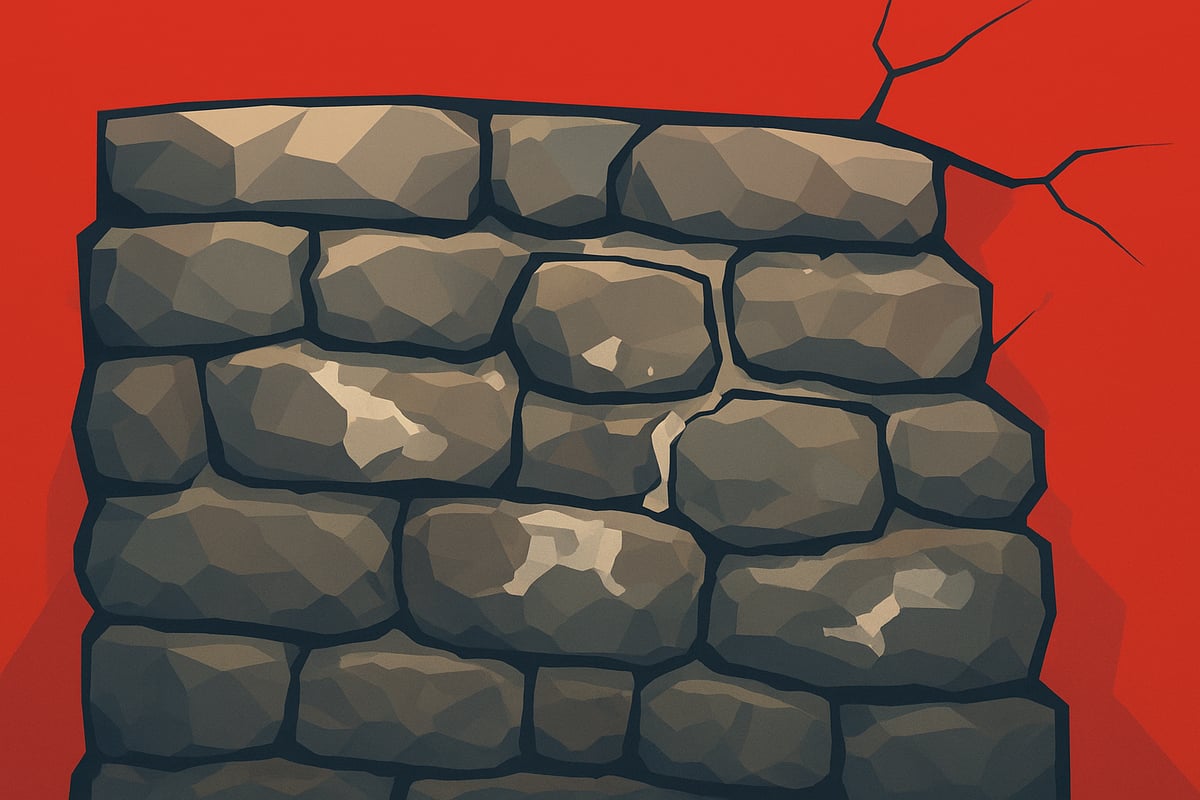
Inspection & Assessment: Diagnosing Fieldstone Foundation Problems
Timely, thorough inspection is the foundation of any effective strategy for repairing fieldstone foundation issues. Whether you are a homeowner or a professional, understanding how to diagnose potential problems early can mean the difference between minor maintenance and major structural repairs.

Step 1: Visual Inspection of Interior and Exterior Walls
Start by visually examining all accessible fieldstone walls, both inside and outside your home. Look for visible cracks, bulging sections, crumbling mortar, and any signs of water leaks or dampness. Pay close attention to corners and areas near windows or doors. Document everything with photos for future reference.
Essential Tools for Accurate Assessment
A few key tools will enhance your ability to spot problems early:
|
Tool |
Purpose |
|---|---|
|
Flashlight |
Illuminate dark corners |
|
Moisture Meter |
Detect hidden dampness |
|
Level |
Check for wall bowing/leaning |
|
Camera/Phone |
Record evidence |
Using these tools, systematically check for:
-
Hairline and structural cracks
-
Mortar loss and stone displacement
-
Efflorescence (white, chalky deposits)
-
Damp patches and musty odors
For a detailed breakdown of what to look for, consult this Common foundation problems guide, which illustrates typical warning signs specific to fieldstone foundations.
Assessing Severity: DIY or Professional Help?
Not every problem calls for a specialist, but knowing your limits is essential. Minor hairline cracks or small patches of mortar loss might be addressed with basic skills. However, if you notice large, uneven cracks, bowing walls, or persistent water intrusion, professional assessment is critical. Attempting complex repairs without expertise can worsen the situation and compromise your home’s safety.
Moisture, Drainage, and Preventive Best Practices
Water is the most common enemy of fieldstone foundations. Check that soil grading slopes away from the house and that gutters and downspouts direct water well clear of the foundation. Use a moisture meter and, if available, an infrared camera to detect hidden dampness behind walls.
A real-world example: A Colorado homeowner found chronic basement dampness and foundation shifting due to improper guttering. Only after correcting drainage and professionally repairing the fieldstone foundation did the issues resolve.
Industry experts recommend annual inspections, especially after severe weather or freeze-thaw cycles. Routine checks help ensure that minor issues do not escalate, preserving both the structure and value of your home.
Step-by-Step Guide: Repairing Fieldstone Foundations in 2026
A successful repairing fieldstone foundation project requires attention to detail, up-to-date methods, and a strong commitment to safety. This step-by-step guide walks you through every phase, from preparation to long-term maintenance. Each phase ensures your foundation will stand strong against climate challenges and the test of time.
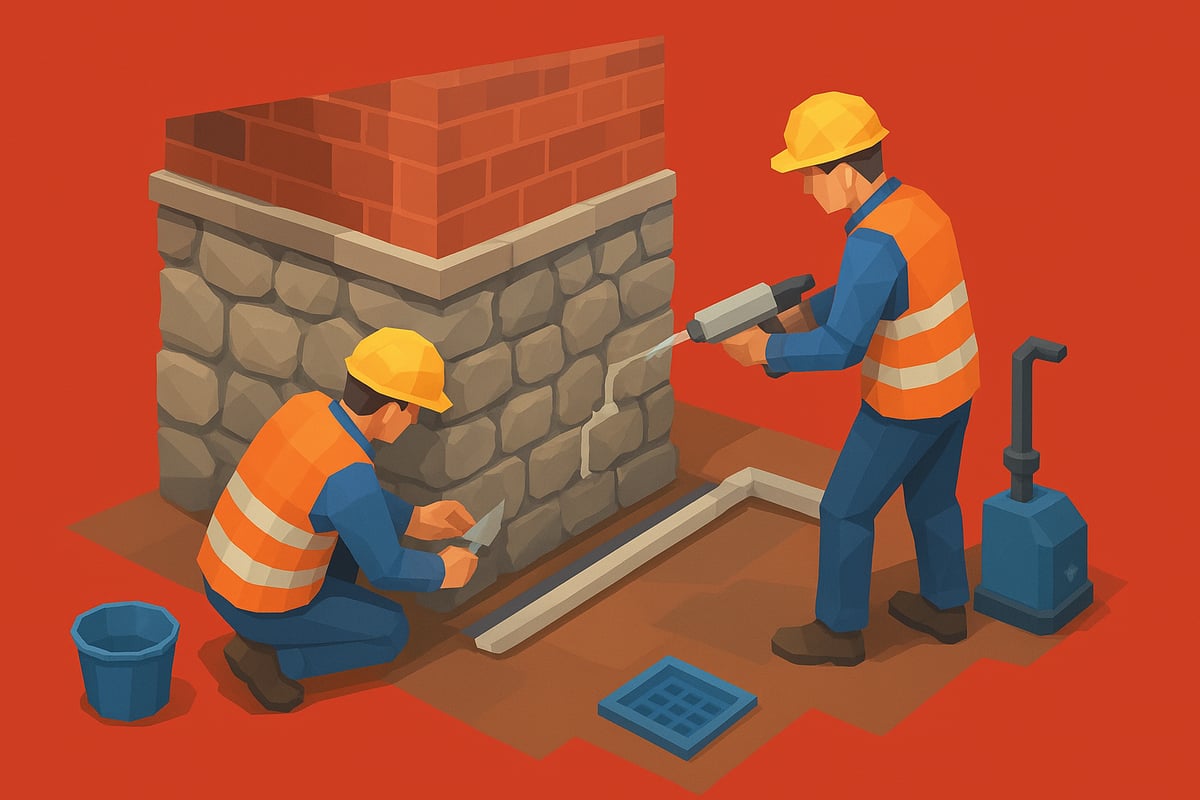
Step 1: Preparation & Safety Measures
Begin your repairing fieldstone foundation process by prioritizing safety. Equip yourself with gloves, goggles, and dust masks to protect against debris and dust. Always ensure the workspace is well-ventilated, especially when handling old mortar.
Before any work starts, secure the area. Shore up unstable walls using temporary supports to prevent collapse. Remove loose debris and clear the area for easy movement. In cases where the foundation is severely compromised, temporary bracing is essential to maintain structural safety.
Protect the interior by sealing off doors and vents with plastic sheeting. This step prevents dust and moisture migration into living spaces. Disconnect utilities near the work zone if necessary, and consult local authorities for any permit requirements or code updates that may apply to repairing fieldstone foundation projects in 2026.
A well-prepared site reduces risks and keeps the project on track.
Step 2: Cleaning & Removing Damaged Material
The next phase in repairing fieldstone foundation is thorough cleaning and removal of all damaged materials. Use a chisel and brush to carefully extract crumbling or loose mortar from between the stones. This step is crucial, as new mortar will only adhere properly to clean, solid surfaces.
Inspect each stone. Remove any that are severely damaged or out of place. Clean the surrounding area with a vacuum or blower to eliminate dust and small debris, making sure no residue remains that could weaken the bond.
Address any biological growth, such as mold or mildew, using an appropriate cleaner. For homes experiencing efflorescence—a white, powdery residue—deep cleaning is needed to stop further moisture intrusion. This careful approach ensures a solid foundation for the next step in repairing fieldstone foundation.
Step 3: Repointing and Rebuilding
Repointing is the heart of repairing fieldstone foundation work. Select a mortar mix compatible with your home’s age and climate. Modern lime-based mortars are often preferred for their flexibility and breathability, but historic blends may be necessary for heritage properties.
Mix the mortar according to manufacturer guidelines. Apply it using tuckpointing techniques to fill joints tightly and maintain the wall's historic appearance. For missing or severely damaged stones, insert matching fieldstones and secure them with mortar, using bonding agents to improve adhesion.
Blend new mortar with existing material for a seamless look. Take your time to compact joints fully, which ensures weather resistance and longevity. According to recent data, properly applied modern lime mortars can last over 50 years.
For a comprehensive look at repair techniques, visit the Foundation repair solutions overview. This resource provides insights into methods that work best for fieldstone foundations, helping you select the right approach for your project.
Step 4: Waterproofing & Moisture Control
Effective waterproofing is essential in repairing fieldstone foundation to prevent future moisture problems. Decide between interior and exterior waterproofing based on your foundation’s condition. Exterior options include membranes and coatings that shield against water penetration, while interior sealants and vapor barriers help manage humidity.
Upgrade or install perimeter drains and sump pumps to redirect water away from the foundation. Proper soil grading around the home and well-maintained gutters also play a critical role in moisture control.
Consider adding insulation to basement walls to reduce condensation and improve energy efficiency. In 2026, eco-friendly and breathable sealants are available, designed specifically for historic masonry. These products protect without trapping moisture, which is vital for fieldstone walls.
For example, comprehensive basement waterproofing can reduce humidity and mold risk by up to 80 percent, greatly extending the life of your repairs. Always prioritize moisture management in your repairing fieldstone foundation strategy.
Step 5: Final Inspection & Maintenance Planning
After completing repairs, perform a detailed inspection of the entire foundation. Check for uniform mortar joints, strong adhesion, and complete water tightness. Allow all mortar and sealants adequate curing time, as recommended by the manufacturer.
Develop a maintenance plan for your repairing fieldstone foundation. Schedule annual inspections, focusing on early detection of cracks, mortar deterioration, or moisture issues. Regular touch-up repointing can prevent minor problems from escalating.
Use a homeowner maintenance checklist to keep track of periodic tasks. Professional follow-up inspections provide added assurance, especially after major weather events. Ongoing care ensures your foundation remains strong and stable for years to come.
Modern Materials & Techniques for Lasting Fieldstone Foundation Repairs
Modern approaches to repairing fieldstone foundation issues have evolved rapidly, blending historic preservation with cutting-edge science. Today’s solutions focus on longevity, breathability, and adaptability to climate and soil changes. Let’s explore the most impactful advancements and how they set the standard for 2026.

Advances in Mortar Technology
Choosing the right mortar is essential for repairing fieldstone foundation structures. Traditional cement-based mortars often trap moisture, leading to accelerated deterioration. Modern lime-based mortars, however, are formulated to be both flexible and breathable, allowing moisture to escape while maintaining a strong bond.
Recent developments include environmentally friendly options using natural hydraulic lime and recycled aggregates. These new mortars are more compatible with historic stone, reducing the risk of cracking or separation. Field studies show that modern lime mortars, if properly installed, can last over 50 years, making them a smart, sustainable choice for repairing fieldstone foundation walls.
Reinforcement & Additives for Durability
Another innovation in repairing fieldstone foundation systems is the use of fiber reinforcement and polymer additives. Fibers, such as basalt or polypropylene, are blended into mortar mixes to improve tensile strength and flexibility. This helps the mortar withstand minor shifts in the foundation without cracking.
Polymer additives increase water resistance and bonding power, further extending the life of repairs. By combining these materials, professionals achieve a balance between historic authenticity and modern performance. This approach has proven especially effective when rebuilding sections where stones have shifted or bulged, ensuring repairs last for decades.
Modern Moisture Management Systems
Moisture is the leading cause of fieldstone foundation problems. Today, advanced moisture management systems are integral to every successful repair. Innovations include capillary break membranes, drainage mats, and smart sensors that monitor humidity and movement in real time.
For comprehensive guidance on moisture control options, see Basement waterproofing fundamentals. According to a 2025 study, new waterproofing membranes have reduced basement water intrusion by 60% in homes with fieldstone foundations. These systems, paired with vapor barriers and improved drainage, dramatically lower future repair risks when repairing fieldstone foundation structures.
Technology & Industry Trends: The Future of Foundation Repairs
The rise of digital monitoring and predictive maintenance is transforming how professionals approach repairing fieldstone foundation issues. Smart sensors now provide early warnings of shifting or moisture infiltration, enabling proactive maintenance.
Industry trends in 2026 emphasize sustainability, with more eco-friendly products and less invasive repair techniques. Many contractors now use digital modeling to plan repairs and minimize disruption to historic materials. A recent case study of a 19th-century Colorado home highlighted how modern mortars and monitoring systems delivered seamless restoration while preserving original character.
Comparing Traditional vs. Modern Repair Materials
|
Feature |
Traditional Mortar |
Modern Lime Mortar |
Fiber/Polymer Additives |
|---|---|---|---|
|
Breathability |
Low |
High |
High |
|
Flexibility |
Low |
Moderate |
High |
|
Lifespan |
20–30 years |
50+ years |
50+ years |
|
Environmental Impact |
High |
Low |
Low |
|
Moisture Resistance |
Low |
Moderate |
High |
Staying updated with these advances ensures that repairing fieldstone foundation problems is more effective, sustainable, and aligned with modern best practices.
Cost Factors & Budgeting for Fieldstone Foundation Repairs
Repairing fieldstone foundation issues can be a significant investment, but understanding the costs involved helps homeowners plan effectively. Knowing what drives these expenses is crucial for anyone considering repairs in 2026.
Typical Cost Breakdown
When budgeting for repairing fieldstone foundation, it is important to consider all components of the project. Costs can be broken down as follows:
|
Expense Category |
Typical Range (Colorado, 2025) |
|---|---|
|
Materials |
$1,500–$4,000 |
|
Labor |
$4,000–$10,000 |
|
Permits/Fees |
$300–$1,000 |
|
Equipment Rental |
$500–$1,500 |
|
Total (Repointing) |
$8,000–$18,000 |
These figures represent average costs for a full repointing job in Colorado. If structural rebuilding or advanced waterproofing is needed, total expenses may increase.
Factors Affecting Price
Several variables impact the final price of repairing fieldstone foundation. The age and size of your home, the extent of damage, and how accessible the work area is all play a role. Homes with severe mortar deterioration, bowing walls, or moisture problems will require more labor and materials.
Local market rates and permit requirements can also influence your budget. For a deeper look at these variables, review this Foundation repair cost factors resource, which details how location, foundation type, and specific repairs affect pricing.
Hidden expenses are another consideration. Mold remediation, drainage upgrades, or landscaping to restore disturbed soil can add to the total cost. Insurance may cover some repairs if linked to sudden events, but routine deterioration is usually excluded.
Budgeting Tips and Avoiding Pitfalls
Proper planning is key when repairing fieldstone foundation. Always request detailed, written estimates that specify each task and material. Compare at least three quotes from reputable contractors who have experience with fieldstone foundations.
DIY repairs may seem cost effective, but improper work can cause more damage, resulting in higher costs later. Professional repairs, while more expensive upfront, help ensure long-term stability and protect your property value.
Financing options are available from some contractors and lenders, making it easier to manage large projects. Insurance rarely covers gradual deterioration, so check your policy carefully.
To avoid scams, verify contractor credentials, ask for references, and insist on clear contracts. Early action and quality repairs can save thousands over time and prevent larger structural failures.
For a comprehensive overview of regional pricing and budgeting strategies, consult the Foundation Repair Cost Guide 2026, which breaks down costs by foundation type and location.
When to Call a Professional: Risks, Red Flags & Choosing the Right Expert
Recognizing when to seek professional help is critical when repairing fieldstone foundation problems. Major warning signs include wide or growing cracks, bowing or bulging walls, persistent water intrusion, and any sudden changes such as rapid wall movement. Attempting DIY repairs with these issues can put your home and safety at risk. Structural collapse, improper material use, and code violations are real threats if you lack specialized knowledge. If you notice musty odors, shifting floors, or significant stone displacement, do not delay in reaching out for expert evaluation.
Choosing the right expert for repairing fieldstone foundation requires careful vetting. Start by verifying contractor licenses and insurance coverage. Ask for references from previous clients, specifically those with fieldstone homes. Ensure the contractor has proven experience with historic masonry and understands local climate and soil conditions. Local expertise is invaluable, as Colorado’s unique freeze-thaw cycles and soils require tailored solutions. Prepare a list of questions about repair methods, materials, and warranty terms before committing to any agreement.
Hiring a qualified professional brings long-term peace of mind and protects your investment. According to industry surveys, 70% of major foundation failures follow unqualified or poorly executed repairs. Professional contractors not only restore structural integrity but also help prevent recurring problems. Early detection and timely intervention can minimize costs, as highlighted in the Foundation Repair Cost Trends 2025 report. Ultimately, entrusting your home to a true specialist ensures that your repairing fieldstone foundation project is completed safely, efficiently, and with lasting results.
After learning about the unique challenges and solutions for repairing fieldstone foundations in Colorado, you now have the knowledge to protect your home’s structure and value for years to come. If you’ve noticed signs like cracks, moisture, or settling, it’s smart to get an expert opinion before small issues become costly repairs. Aspen Foundation Repairs brings decades of local expertise, advanced techniques, and a deep understanding of Colorado’s climate to every project, ensuring your foundation is both strong and secure.
Ready to take the next step for your home’s stability and peace of mind? Get Free Estimate
