

Essential Guide to Crack Repair Basement Solutions 2026
Are cracks in your basement walls threatening your home's safety and value? You are not alone—foundation issues impact countless homeowners every year. Ignoring these problems can lead to water damage, mold, and structural instability. This essential guide provides you with everything you need to know about crack repair basement solutions in 2026. Discover the causes of basement cracks, the dangers of neglect, and the most advanced repair methods available. Follow our step-by-step process and prevention strategies, and gain expert insights to protect your home for years to come. Start your journey to a safer, more secure foundation today.
Understanding Basement Cracks: Types, Causes, and Risks
Are you noticing lines or gaps forming along your basement walls or floor? Understanding the types, causes, and risks of cracks is vital for effective crack repair basement strategies. Let’s break down what every homeowner needs to know to protect their foundation.
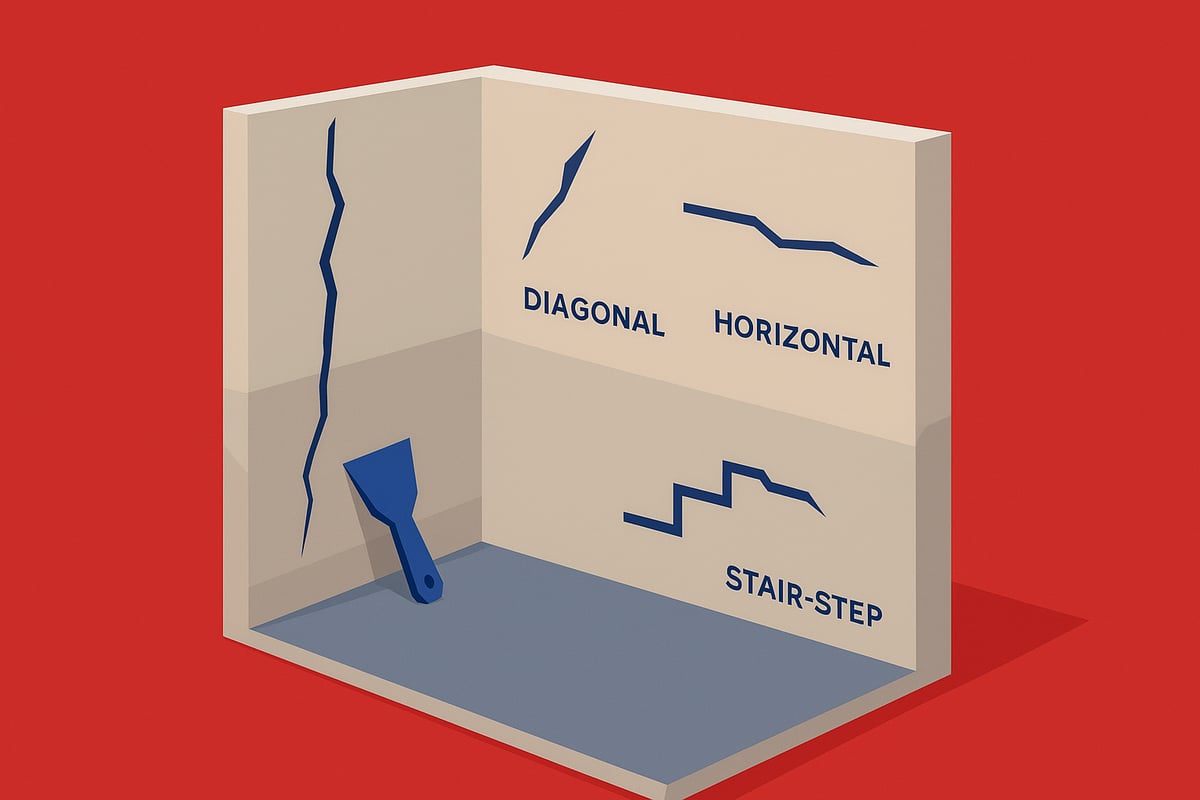
Types of Basement Cracks
Basement cracks come in several forms, each signaling different issues. Vertical cracks often result from concrete shrinkage and may be cosmetic, while horizontal cracks can indicate serious pressure from soil outside the wall. Diagonal and stair-step cracks typically point to uneven settling or shifting.
Crack direction and width matter. Hairline cracks are usually harmless, but wide or growing cracks could threaten your home’s structure. Structural cracks extend through the wall and may leak, while cosmetic cracks stay on the surface. For example, hairline shrinkage cracks are common after curing, but settlement cracks wider than 1/8 inch are a warning sign. According to JES Foundation Repair, up to 60% of homes develop foundation cracks within 10 years.
If you need detailed guidance on solutions for various crack types, Basement Crack Repair Services offers comprehensive information tailored to your situation.
Common Causes of Basement Cracks
What causes these cracks to form? The most frequent culprit is soil movement, especially in areas with expansive clay or during freeze-thaw cycles. Poor drainage and improper grading can allow water to pool around your foundation, increasing pressure on the walls.
Other factors include tree roots growing too close to the house, foundation settlement from poor construction, and plumbing leaks that saturate the soil. Any of these conditions can increase the need for crack repair basement solutions. Moisture accumulation beneath or around the foundation accelerates the risk of cracks developing and expanding.
Risks of Ignoring Basement Cracks
Ignoring cracks in your basement comes with serious risks. Water intrusion through cracks can lead to basement flooding, which often results in mold growth and compromised indoor air quality. Over time, cracks widen, causing progressive structural damage that is much more expensive to fix.
Unattended cracks can decrease your property value and may cause problems during home inspections. In fact, water damage claims make up 23% of all homeowner insurance claims, highlighting the importance of timely crack repair basement interventions. Acting quickly minimizes costs and protects your investment.
When to Seek Professional Assessment
Certain warning signs mean it’s time to call in an expert. Cracks wider than 3/8 inch, horizontal cracks, or walls that bow inward are urgent red flags. Monitoring cracks for changes in width or length is essential, as rapid progression signals active movement.
Early intervention is key to avoiding major repairs. Professional inspections use specialized tools and experience to determine if cracks are structural or just cosmetic. For example, JES Foundation Repair advises immediate action for cracks that are widening or uneven, ensuring your crack repair basement project is handled before problems escalate.
Modern Crack Repair Solutions for Basements in 2026
As we move into 2026, the world of crack repair basement solutions continues to evolve. New materials, technology, and integrated systems offer homeowners more reliable and less invasive options than ever before. Understanding these modern advancements is key to making informed decisions about your home’s foundation health.
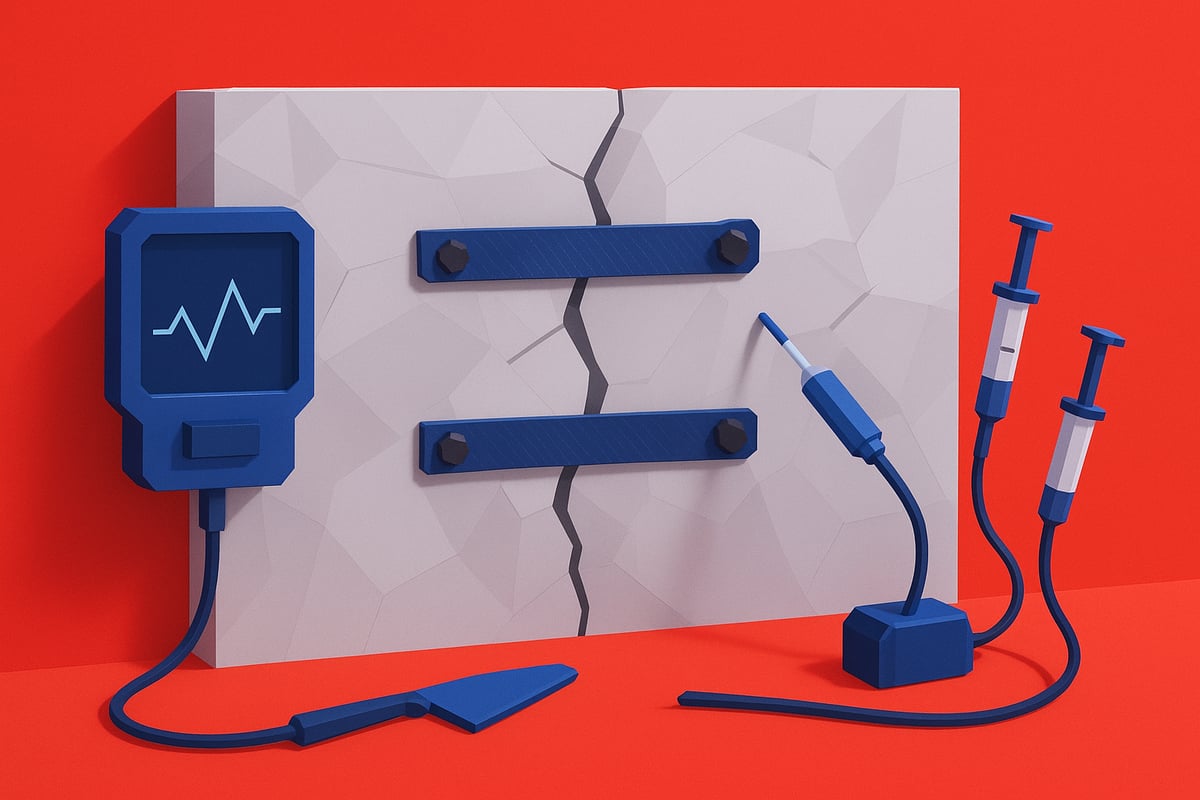
Advances in Crack Repair Materials and Technology
The latest crack repair basement solutions now use carbon fiber reinforcement, which delivers exceptional strength and flexibility. Carbon fiber straps bond directly to concrete, providing support without bulky hardware. This method is particularly valued for its durability and minimal disruption to finished spaces.
Epoxy and urethane injections have also improved significantly. Modern formulas are tailored for either structural reinforcement or waterproofing, ensuring each crack repair basement project addresses the exact issue. Hybrid systems, combining drainage and reinforcement, are now common. Smart sensors are increasingly used to monitor crack movement and moisture, offering real-time data for ongoing protection.
Effective Crack Repair Methods
A successful crack repair basement process starts with thorough inspection and diagnosis. Specialists clean and prepare the area, then select the optimal repair method. Epoxy injection is best for structural cracks, while urethane foam excels at sealing active leaks. For bowing or shifting walls, carbon fiber straps or wall anchors are preferred.
The table below compares key solutions:
|
Method |
Best For |
Strength |
|---|---|---|
|
Carbon Fiber Straps |
Bowing, movement |
Very High |
|
Epoxy Injection |
Structural, dormant cracks |
High |
|
Urethane Injection |
Leaking, active cracks |
Moderate |
Carbon fiber systems are reported to be up to ten times stronger than steel, making them the gold standard for many crack repair basement needs.
Solutions That Don’t Work Long-Term
Not all crack repair basement fixes are created equal. Surface patching or plastering may hide the problem temporarily, but these cosmetic repairs do not address underlying issues. Using rigid epoxy alone on moving walls often leads to detachment when the wall shifts again. DIY sealants rarely withstand ongoing water pressure or soil movement.
Repeated short-term fixes can allow cracks to widen, leading to more expensive repairs down the line. For example, epoxy and urethane applications without reinforcement may fail if wall movement continues. Always prioritize proven, engineered solutions for crack repair basement challenges.
Integrating Waterproofing with Crack Repair
Combining structural repairs with waterproofing offers the most comprehensive protection for any crack repair basement project. Interior drainage systems, such as BasementGutter™, help manage water entry and reduce hydrostatic pressure. Sump pumps and dehumidifiers control moisture, while wall paneling adds insulation and a finished look.
Integrating these strategies not only repairs damage but also prevents future issues. For a complete overview of how waterproofing can complement your repairs, explore Basement Waterproofing Solutions. This holistic approach ensures your basement remains dry, healthy, and structurally sound for years to come.
Step-by-Step Guide: How to Repair Basement Cracks in 2026
Addressing crack repair basement issues demands a structured, thorough approach, especially with the advanced solutions available in 2026. Each step in the process is critical for lasting results and peace of mind.
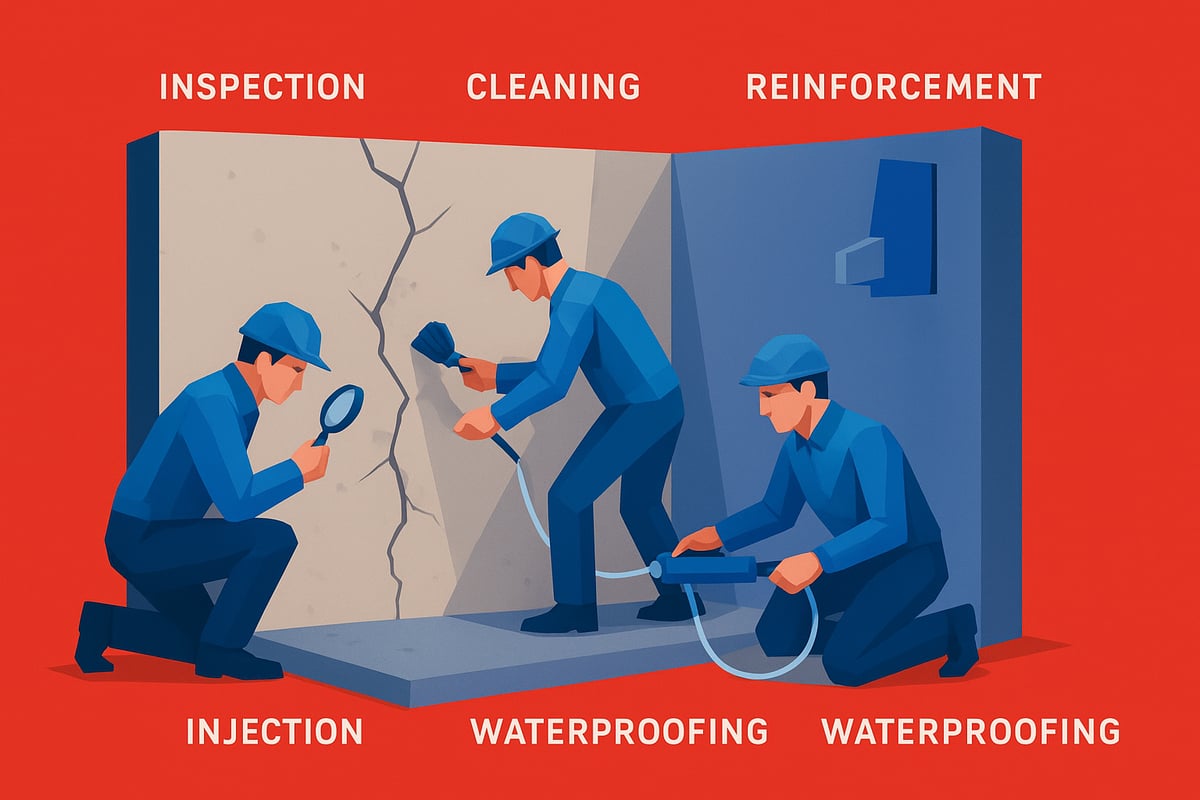
Step 1: Inspection and Diagnosis
Begin by visually examining all basement walls for cracks. Note the type, size, and direction of each crack. Use moisture meters and crack gauges to measure width and monitor changes over time.
Look for signs of water infiltration, such as damp spots or efflorescence. Determine if cracks are active (widening or shifting) or dormant. If you notice horizontal cracks, bowing walls, or cracks wider than 3/8 inch, consult a structural professional immediately.
A comprehensive inspection sets the foundation for a successful crack repair basement process.
Step 2: Preparing the Crack and Surrounding Area
Before any repair, clean the area around the crack. Remove dust, debris, and any old sealant with a wire brush or vacuum. Ensure the crack is dry and accessible, as moisture can affect adhesion.
Mark the boundaries of the crack with a pencil or chalk. Wear safety goggles, gloves, and ensure proper ventilation. Good preparation is essential for crack repair basement materials to bond securely.
Proper prep not only improves results but also enhances safety throughout the repair.
Step 3: Choosing the Right Repair Method
Select the repair method based on crack size, location, wall movement, and moisture presence. For structural cracks or bowing walls, carbon fiber reinforcement is often preferred. Epoxy injection is used for structural repairs, while urethane foam is chosen for leaks.
Evaluate warranties and match products to your foundation type, whether poured concrete or block. For more details on proven structural solutions, review Foundation Wall Repair Methods.
A tailored approach ensures your crack repair basement project lasts for years.
Step 4: Applying the Repair Solution
Follow manufacturer guidelines for applying the chosen solution. Use low-pressure or high-pressure injection tools for epoxies or urethanes, ensuring full penetration. For reinforcement, install carbon fiber strips or wall anchors according to specifications.
Check that the repair covers the entire crack length and depth. Allow sufficient curing time before evaluating the result. Adhering to best practices is key for effective crack repair basement outcomes.
Quality application prevents recurrence and strengthens your foundation.
Step 5: Post-Repair Assessment and Finishing Touches
After the repair, inspect the area for leaks and ensure structural integrity. Seal and, if necessary, paint repaired zones to restore appearance. Reinstall insulation or wall panels that were removed.
Document the repair with photos and notes for future reference. Schedule follow-up inspections, especially if your home is prone to movement or moisture. This diligence secures your crack repair basement investment.
Regular monitoring after repairs preserves your basement’s condition.
Step 6: Preventing Future Basement Cracks
Prevent recurrence by improving drainage around your home. Grade soil away from the foundation, maintain gutters and downspouts, and consider installing French drains. Manage landscaping to avoid tree roots near walls.
Inspect your basement annually and address small cracks early. Control indoor humidity with dehumidifiers and monitor soil moisture during extreme weather. A proactive approach keeps crack repair basement problems at bay.
Long-term prevention ensures your home remains safe and dry.
Aspen Foundation Repairs: Local Expertise for Colorado Basements
Aspen Foundation Repairs brings over two decades of trusted service to Mesa County, Aspen, Rifle, Grand Junction, Montrose, and nearby communities. As specialists in crack repair basement solutions, their team understands the unique challenges of Colorado’s shifting soils and freeze-thaw cycles. Homeowners rely on their expertise for foundation crack repair, basement waterproofing, structural stabilization, and mold treatment for basements caused by water intrusion. Aspen Foundation Repairs uses only industry-leading, warrantied materials and tailors every solution to fit local homes. With free, no-obligation consultations, transparent pricing, and a fully licensed, insured team, they have become the go-to choice for lasting results and peace of mind.
Preventing Basement Cracks: Long-Term Strategies for Homeowners
Proactive homeowners know that the best approach to crack repair basement challenges is prevention. By focusing on drainage, maintenance, climate adaptation, and system upgrades, you can protect your investment and ensure a safe, dry basement for years to come.
Drainage and Moisture Management
Effective drainage is the cornerstone of any crack repair basement prevention plan. Start with well-graded landscaping to direct water away from the foundation, reducing hydrostatic pressure. Ensure gutters and downspouts are clear and extend at least five feet from the house.
Consider installing French drains or sump pumps for areas prone to water accumulation. Seal exterior foundation walls and window wells to minimize water intrusion. Industry data confirms that poor drainage is a leading cause of foundation cracks, making these measures essential.
For deeper technical insights, the Crack Control Technology of Basement Roof Slabs discusses comprehensive prevention and control systems that can further strengthen your home’s defenses.
Foundation Maintenance and Monitoring
Regular maintenance is critical in managing crack repair basement risks. Schedule annual inspections to catch minor cracks early and monitor for changes in width or direction. Keep detailed records of repairs and professional assessments.
Addressing small issues promptly can prevent them from becoming major structural concerns. Industry estimates suggest that early intervention can save up to 50 percent on future repair costs. A proactive approach helps maintain property value and peace of mind.
Use visual checks, moisture meters, and crack gauges for ongoing monitoring. This vigilance ensures your basement remains safe and sound.
Climate-Responsive Home Care
Colorado’s unique climate demands tailored crack repair basement prevention. Freeze-thaw cycles can cause soil to expand and contract, stressing foundations. Adjust your maintenance routine seasonally, using dehumidifiers to manage indoor moisture.
Protect your foundation during droughts and heavy rains by managing landscaping and soil moisture. Expansive clay soils, common in the region, require special attention. Mulch and ground cover can help stabilize soil and prevent erosion.
Stay alert to changing weather patterns and adapt your home care strategies as needed to minimize risks.
Upgrading Basement Systems for 2026
Take advantage of modern technology to future-proof your crack repair basement efforts. Invest in smart monitoring devices that track foundation health in real time. Upgrade insulation and vapor barriers to boost energy efficiency and moisture control.
Consider installing advanced sump pumps with backup power for reliability during storms. Integrate repairs with basement finishing projects to maximize value and comfort.
By combining these upgrades with ongoing prevention, you can protect against evolving climate trends and keep your basement in top condition.
Cost, Warranties, and Choosing a Basement Crack Repair Contractor
Understanding the investment required for crack repair basement projects in 2026 is essential for homeowners seeking peace of mind and long-term value. Costs can vary significantly depending on the size and severity of the cracks, chosen repair methods, and local market rates. Modern solutions, such as carbon fiber reinforcement or advanced epoxy injection, may have higher upfront costs but offer exceptional durability.
|
Repair Method |
Typical Cost (2026) |
|---|---|
|
Epoxy Injection |
$500–$1,200 per crack |
|
Carbon Fiber Reinforcement |
$1,200–$3,000+ per wall |
|
Hybrid Systems |
$2,500–$5,000+ |
Insurance may cover some water or structural damage, so check your policy. Financing options are increasingly available, making crack repair basement solutions accessible for urgent needs. As technologies evolve, innovative methods like Vision-Based Adaptive Robotics for Crack Repair are emerging, promising even greater efficiency and cost-effectiveness in the near future.
Understanding Warranties and Guarantees
When investing in crack repair basement services, always inquire about warranties and guarantees. Leading contractors provide coverage for materials, labor, or both, offering homeowners added security and confidence. Some warranties are transferable, enhancing your property’s resale value.
Standard warranty periods can range from 5 to 25 years, depending on the system and manufacturer. It is crucial to understand what is covered, such as water intrusion or future crack movement, and what is excluded. Read the fine print and request written documentation for your crack repair basement warranty before work begins. Strong warranty backing is a hallmark of reputable contractors and should be a deciding factor in your selection process.
How to Choose the Right Contractor
Selecting the right professional for crack repair basement work is critical for lasting results. Start by verifying licensing, insurance, and relevant certifications. Prioritize contractors with proven experience in your region, as local expertise ensures solutions tailored to soil and climate conditions.
Request references and review testimonials from previous customers. Compare detailed, written estimates and ensure the contractor explains their recommended crack repair basement approach clearly. Be wary of high-pressure sales tactics, vague repair plans, or contractors who do not provide transparent warranty terms. Trustworthy professionals will answer your questions, provide clear timelines, and outline any necessary aftercare.
Questions to Ask Before Hiring
Before committing to a crack repair basement project, ask targeted questions to ensure you are making a well-informed decision:
-
Which repair methods do you recommend for my specific crack repair basement needs and why?
-
How will you address underlying moisture or soil concerns?
-
What is the expected timeline for completion, and how disruptive will the process be?
-
Can you provide a comprehensive, written estimate?
-
What post-repair maintenance or inspections do you suggest?
A knowledgeable contractor will address these questions openly, helping you feel confident in your investment and the long-term performance of your crack repair basement solution.
After learning about the causes and solutions for basement cracks, you might be wondering what steps are right for your own home. Addressing foundation issues early not only protects your investment but also helps you avoid bigger headaches down the road. If you’re in Colorado and want to ensure your basement stays dry and stable, Aspen Foundation Repairs brings over 20 years of local experience and tailored solutions. Why wait until small cracks become major problems?
Take the next step with confidence and Get Free Estimate from trusted local experts who understand your unique needs.
