

Foundation Cracks Normal Guide: What Homeowners Need to Know 2026
Foundation cracks are one of the most common issues homeowners encounter, often sparking concern about the safety and value of their home. The reality is that many foundation cracks normal to a house’s settling process, while others may signal deeper structural problems.
Knowing the difference can save you thousands in repairs and protect your investment. This 2026 guide will help you recognize which foundation cracks normal and which require urgent attention.
You’ll learn about different types of cracks, their causes, warning signs, how to assess severity, repair options, prevention strategies, and answers to frequently asked questions. By the end, you’ll feel confident making informed decisions about your home’s foundation.
Understanding Foundation Cracks: What’s Normal and What’s Not
Foundation cracks are a common concern for homeowners, but knowing what is truly normal can make all the difference. Understanding the function of your foundation, why cracks appear, and which ones signal trouble is essential for peace of mind and smart maintenance. Let’s break down the essentials of foundation cracks normal patterns and when to take action.
The Role of Foundations in Home Stability
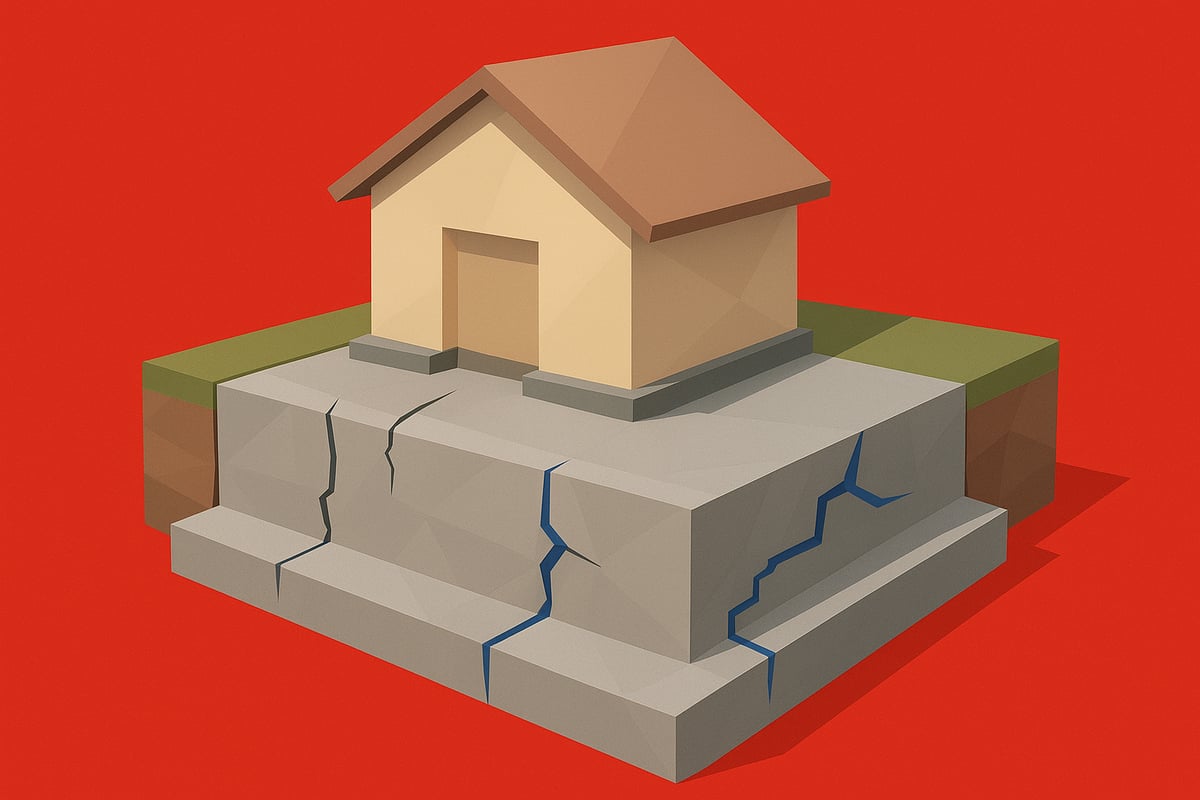
The foundation is the backbone of your home, supporting every structural load from the roof to the floors. A stable foundation ensures your walls remain straight, doors close properly, and floors stay level. In regions like Colorado, with variable soil and climate, the foundation's integrity is especially crucial.
If the foundation weakens, the entire building can develop issues such as shifting walls or uneven floors. In fact, foundation problems rank among the top five most expensive homeowner repairs. Recognizing foundation cracks normal to your area and construction helps you spot early warning signs.
Why Foundation Cracks Occur
Foundation cracks can result from several factors. The most common is natural settling, which happens as a new home adjusts to its environment. Soil type plays a significant role as well; clay-rich soils in Colorado expand and contract with moisture, stressing the foundation.
Climate influences cracks through freeze-thaw cycles, drought, or heavy rainfall. Concrete curing also causes hairline cracks, which are often harmless. However, poor construction quality or an aging home increases the risk of more serious issues. Knowing why foundation cracks normal patterns appear is the first step in evaluation.
Types of Foundation Cracks: Overview
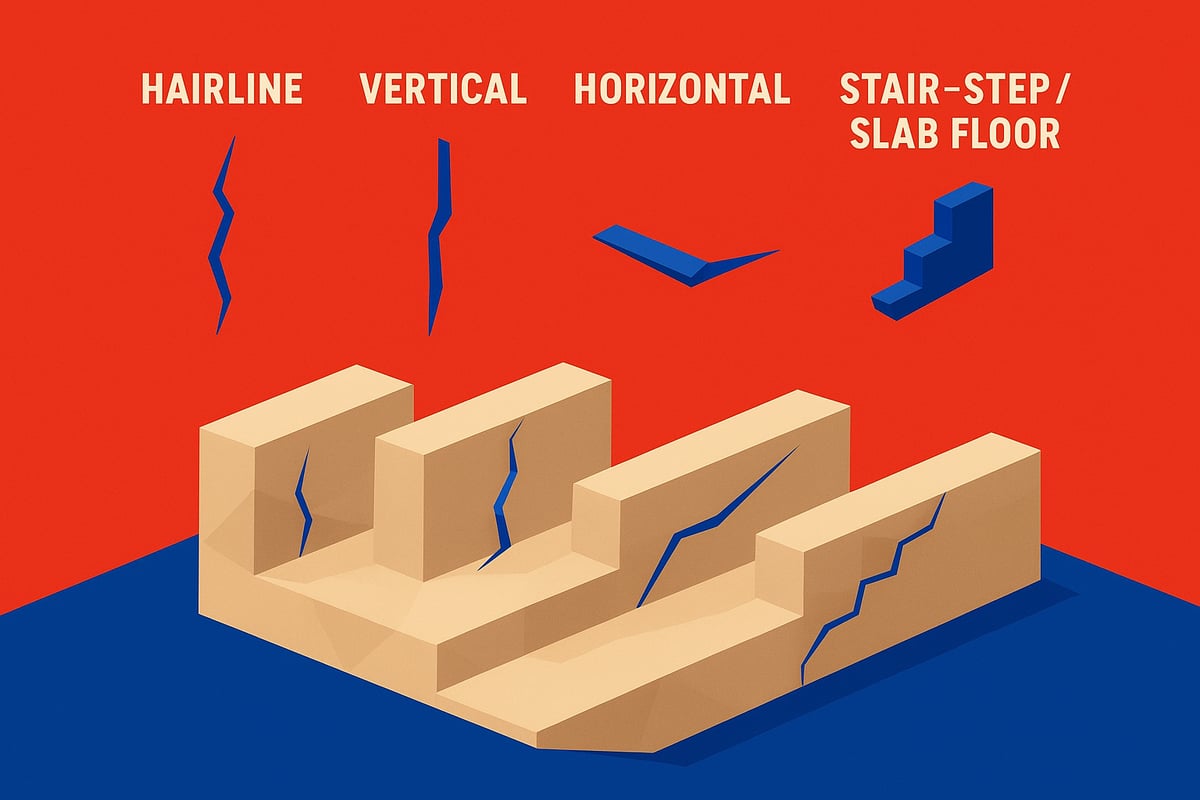
Cracks vary in size, shape, and severity. Common types include:
-
Hairline cracks: Less than 1/8 inch wide, mostly cosmetic.
-
Vertical cracks: Usually due to settling, not always a concern.
-
Horizontal cracks: Can indicate high soil pressure.
-
Diagonal cracks: Suggest uneven settlement.
-
Stair-step and slab floor cracks: Often due to differential movement.
For a more detailed look at common foundation problems, including visuals and explanations, visit our resource page. Understanding these distinctions makes it easier to spot foundation cracks normal to your home’s age and location.
Normal vs. Problematic Cracks: Key Differences
Distinguishing between foundation cracks normal for your home and those that signal trouble is vital. Focus on:
-
Width: Cracks wider than 1/4 inch are concerning.
-
Direction: Horizontal and stair-step cracks often indicate structural stress.
-
Location: Cracks near windows, doors, or corners may be more serious.
Cosmetic cracks are usually thin and stable, while problematic ones grow, leak, or show up in patterns. For example, a home with minor hairline cracks is usually safe, but spreading horizontal cracks are a red flag.
The Importance of Timely Identification
Early detection of foundation cracks normal to settling can save significant money. Minor repairs average $250 to $800, while major restoration can exceed $2,000. Ignoring cracks risks bowing walls, water intrusion, or even full foundation replacement.
Routine inspections are recommended by industry experts. Watching for changes ensures you address small issues before they escalate, preserving your home’s stability and value.
5 Main Types of Foundation Cracks Explained
Understanding the five main types of cracks is essential for determining if foundation cracks normal or signal a deeper structural issue. While some cracks are simply a result of natural settling, others may indicate significant risk. Homeowners should get familiar with these types to make informed decisions about repairs and safety. For a detailed visual reference, see this Guide to Foundation Cracks.
Hairline Cracks
Hairline cracks are the thinnest and often appear within the first year after concrete is poured. These cracks are usually less than 1/8 inch wide and result from the concrete curing and shrinking as it dries. Most of the time, hairline cracks are cosmetic and fall within the range of foundation cracks normal for new or recently poured foundations.
-
Appearing soon after construction
-
Rarely widen or leak
-
Typically harmless unless they change
Still, homeowners should monitor hairline cracks for growth. If you notice water intrusion, widening, or additional symptoms, consult a professional to rule out underlying issues.
Vertical Cracks
Vertical cracks run up and down the foundation wall and are often linked to natural settling or shrinkage. These are more common in poured concrete walls and are among the most typical signs of foundation cracks normal in many homes.
-
Usually uniform in width
-
Frequently found near windows or corners
-
Most concerning if wider at one end
Generally, vertical cracks that remain thin and stable are not a threat. However, if a vertical crack widens over time, appears with other structural changes, or is linked to water leaks, a professional assessment is necessary.
Horizontal Cracks
Horizontal cracks move side to side and are often found midway up the wall or parallel to the floor. Unlike other types, horizontal cracks are rarely considered foundation cracks normal, especially in areas with clay-rich soils or high hydrostatic pressure.
-
May indicate soil pressure or wall bowing
-
Can be associated with inward bulging
-
Serious risk to structural stability
If you see a horizontal crack, especially with wall movement, do not wait. Immediate expert evaluation is needed to prevent further damage and costly repairs.
Diagonal Cracks
Diagonal cracks appear at an angle, often wider at one end. They are usually a sign of uneven settling or shifting, distinguishing them from foundation cracks normal in most cases.
-
Often found near windows or doors
-
Can signal differential movement in the foundation
-
May extend from corner to floor
Watch for diagonal cracks that grow, shift, or are accompanied by sticking doors or windows. These often indicate a need for urgent repair.
Stair-Step and Slab Floor Cracks
Stair-step cracks zigzag along mortar joints in block or brick walls, while slab floor cracks appear across concrete basement floors. Both types can be part of foundation cracks normal after weather changes, but spreading or wide cracks require attention.
-
Stair-step: Pattern follows brick/block joints
-
Slab floor: May be thin or wide, sometimes caused by soil movement
-
Both types may allow water intrusion
If these cracks expand or show water seepage, schedule a professional inspection to avoid larger structural problems down the line.
Warning Signs That Foundation Cracks Are Serious
Foundation cracks normal can sometimes be harmless, but certain warning signs signal more serious issues. Recognizing these early can mean the difference between a simple repair and costly structural restoration. Let’s break down the most important red flags you should watch for in your home.
Structural and Cosmetic Red Flags
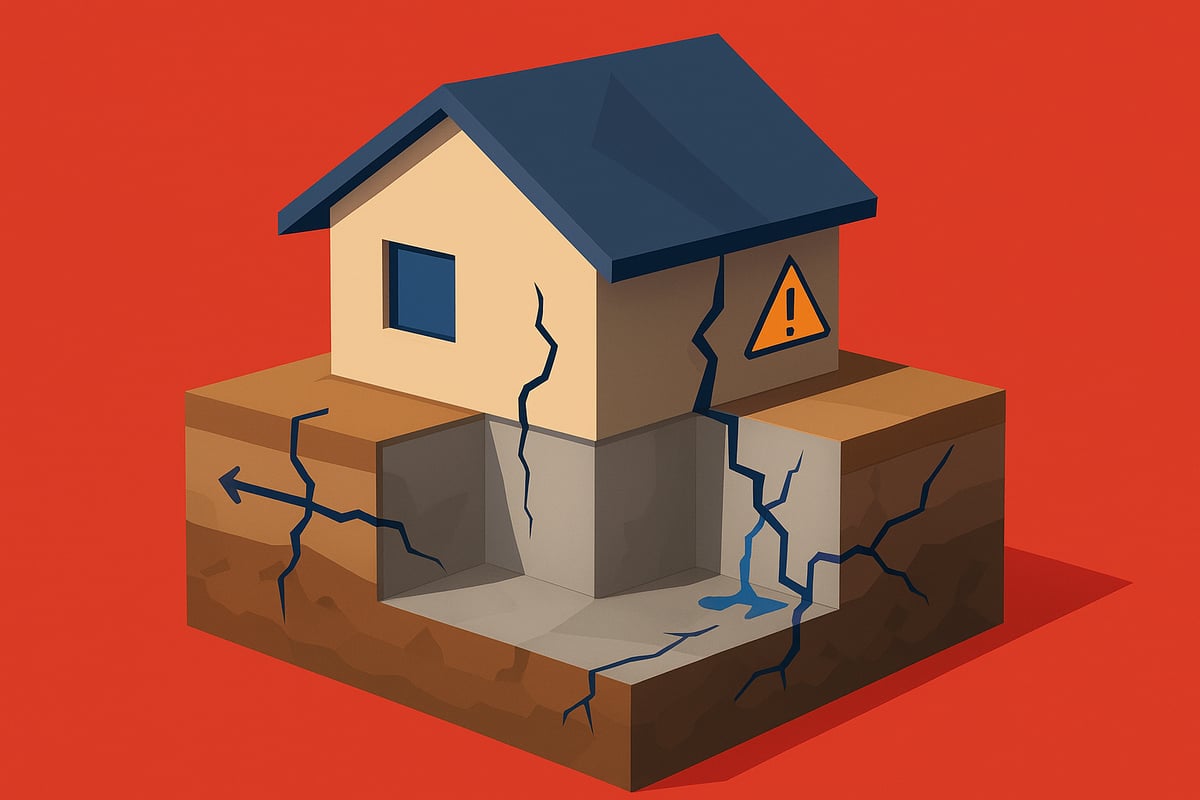
Not all foundation cracks normal are harmless. Cracks wider than 1/4 inch or those growing over time often indicate structural stress. Multiple cracks appearing suddenly, especially in patterns like horizontal or stair-step, are major warning signs.
Other red flags include:
-
Gaps between walls, ceilings, or floors
-
Bowed or bulging foundation walls
-
Tilting chimneys or separation at corners
For a detailed breakdown of these symptoms and the risks they pose, visit Foundation Wall Cracks and Bowing. Early identification of these issues can prevent severe damage.
Water Intrusion and Moisture Issues
Foundation cracks normal may allow water to seep into your basement or crawl space. Signs of trouble include dampness, visible water stains, and mold growth near cracks. A musty odor is often the first clue that moisture has found its way inside.
If you spot efflorescence—a white, powdery deposit—on basement walls, this indicates ongoing moisture movement through cracks. Persistent water issues accelerate deterioration, making early action essential.
Changes in Home Functionality
Changes in how your home functions can be linked to foundation cracks normal. Uneven or sloping floors are a classic warning sign. Test with a marble or level to check for subtle shifts.
Doors and windows that stick or will not close properly are also indicators. If several doors start jamming after a storm or heavy rain, your foundation may be moving or settling unevenly.
Exterior Warning Signs
Sometimes, the first evidence of foundation cracks normal appears outside. Look for signs such as erosion or pooling water near your foundation after rain. Soil pulling away from the foundation during droughts can also create new cracks.
Bare patches in landscaping, or cracks forming after installing new gutters or regrading, suggest drainage issues. These exterior changes often precede more serious interior problems.
When to Seek Professional Help
If you notice any of these signs, do not delay. Cracks wider than 1/4 inch, spreading patterns, water intrusion, or structural changes require immediate professional assessment. Most foundation repairs become much more expensive if ignored.
Data shows that major repairs in the U.S. average $5,100–$8,100. Early intervention for foundation cracks normal can save thousands and protect your home’s value.
Step-by-Step Guide: How to Evaluate Foundation Cracks
Evaluating foundation cracks normal requires a systematic approach to ensure small issues do not escalate into costly repairs. By following these steps, you can distinguish between harmless settling and warning signs of structural problems. Accurate assessment protects your home’s stability and value.

Step 1: Inspect and Document Cracks
Begin by walking the entire perimeter of your home, both inside and out. Look closely at basement walls, slab floors, and crawl spaces. Document every crack you find, noting its width, length, location, and direction.
Take clear, timestamped photos of each crack. Use a ruler or tape measure for scale, and record your findings in a notebook or digital log. This documentation forms the foundation for understanding if your foundation cracks normal are truly harmless or need closer attention.
Step 2: Assess Crack Characteristics
Next, carefully measure each crack. Hairline cracks less than 1/8 inch wide are often considered foundation cracks normal, especially if they appear soon after construction. Identify the direction of each crack: vertical, horizontal, diagonal, stair-step, or slab floor.
Check for water stains, white mineral deposits (efflorescence), or signs of mold near cracks. Log any changes monthly to track if cracks are stable or worsening. If you need more guidance, the Basement Crack Repair Information page offers details on evaluating and repairing different types of cracks.
Step 3: Check for Associated Warning Signs
Beyond the cracks themselves, be alert for related warning signs. Uneven or sloping floors, doors and windows that stick or won’t close, and walls that appear to bow or bulge can indicate underlying issues.
On the exterior, search for soil erosion, pooling water, or gaps between soil and the foundation. If you notice these alongside foundation cracks normal, it may signal a more serious problem that requires prompt action.
Step 4: Monitor Over Time
Mark the ends of each crack with a pencil and the date of inspection. Use crack gauges for more precise measurement if necessary. Revisit your documented cracks monthly, comparing new photos and measurements to your originals.
A foundation cracks normal scenario is when hairline cracks remain unchanged for a year or more. If you see cracks widening, spreading, or new cracks forming, this trend should not be ignored.
Step 5: Decide When to Call a Professional
If any crack is wider than 1/4 inch, growing rapidly, or associated with water intrusion or structural changes, contact a foundation specialist immediately. Early intervention can prevent thousands of dollars in future repairs and ensure your home’s safety.
Routine monitoring of your foundation cracks normal helps you act decisively, preserving your investment and peace of mind.
Foundation Crack Repair Options and Costs in 2026
Repairing foundation cracks normal is crucial for protecting your home's stability and value. Understanding which fixes are safe for DIY and when to call in professionals can make a significant difference in both outcomes and expenses. Let’s break down your options and what to expect in 2026.
DIY Solutions: When Are They Safe?
Some foundation cracks normal can be handled by homeowners, especially when they are hairline or minor vertical cracks. DIY epoxy or polyurethane kits are widely available for sealing these small cracks. This approach is best for cracks under 1/8 inch wide, with no signs of movement or water intrusion.
However, keep in mind that surface repairs do not address underlying issues. If you notice foundation cracks normal reappearing or spreading, it’s time to seek professional help. Always monitor DIY repairs for any changes over time.
Professional Repair Techniques
When foundation cracks normal are wider than 1/8 inch, show movement, or are associated with water leaks, professional intervention is needed. Experts use epoxy injection to restore structural integrity or polyurethane foam for waterproofing. For bowing walls, carbon fiber straps or wall anchors may be installed.
Foundation settlement may require helical piers or push piers for stabilization. For a deeper look at these repair methods and when to use them, see this Foundation Cracks: Causes and Repair Guide.
Cost Breakdown
The cost of repairing foundation cracks normal varies with severity and method. Minor crack repairs typically range from $250 to $800. More extensive structural repairs, such as wall stabilization or pier installation, can cost $2,000 to $6,000 or more.
In rare cases, full foundation replacement is necessary, which may exceed $10,000. The national average for foundation repair in 2026 is about $5,100. Early intervention helps avoid escalated costs and more invasive repairs.
Choosing the Right Contractor
Selecting a qualified contractor is essential for lasting solutions to foundation cracks normal. Look for companies with local experience, especially with Colorado’s soil and climate. Ensure they are licensed, insured, and offer warranties on their work.
Request references and free estimates before committing. Aspen Foundation Repairs is a trusted choice in Colorado, providing custom solutions and long-term peace of mind for homeowners facing foundation cracks normal.
Insurance and Financing Considerations
Most standard homeowners insurance policies do not cover repairs for foundation cracks normal unless a covered peril, like a burst pipe or earthquake, is the cause. Explore financing options or payment plans offered by reputable contractors.
Before starting repairs, review your insurance policy and consult your agent to clarify coverage. Proactive maintenance and early repairs are the best ways to control costs and avoid surprises.
Preventing Foundation Cracks and Future Damage
Preventing foundation cracks normal to your home requires proactive steps and ongoing vigilance. While some cracks are a natural part of home settling, many can be avoided with smart maintenance. Understanding the difference between foundation cracks normal and those that signal trouble is essential for every homeowner. By focusing on prevention, you protect your home's value and avoid expensive repairs.
Control Water Around Your Foundation
Water is the most common culprit behind foundation cracks normal and abnormal. Ensure your yard slopes away from the home to prevent pooling. Install gutters and downspouts, and extend them at least five feet from the foundation. These steps help manage runoff and minimize moisture problems. For more insights, review the Common Causes of Cracks in Foundations to understand how water issues lead to cracks and how to prevent them.
Regularly clean gutters so water is directed safely away. Check for leaks or blockages after storms. Small actions now can prevent costly foundation issues later.
Manage Soil Moisture
Fluctuations in soil moisture create movement that leads to foundation cracks normal in many homes. Avoid letting soil around your foundation become too dry or oversaturated. During droughts, use soaker hoses to maintain consistent moisture levels a few feet from the foundation.
In wet periods, monitor for standing water. Consistent care prevents soil from shrinking or swelling, which reduces the risk of cracks. This approach is especially important for homes on clay-rich soils.
Address Landscaping and Drainage Issues
Keep large trees and shrubs at least five to ten feet away from your home. Their roots can draw moisture from the soil or even penetrate foundations, increasing the risk of cracks. Use French drains in areas prone to pooling water.
Check that your landscaping directs water away from the house. Adjust grading or add gravel where needed. Proper landscaping supports stable soil and reduces foundation movement.
Regular Inspections and Maintenance
Schedule yearly inspections to identify early warning signs. Walk around your home and check for new or widening cracks, especially after extreme weather. Mark and date any cracks you find, and photograph them for your records.
Promptly repair small cracks before they spread. Maintaining a log helps you distinguish between foundation cracks normal and those that need professional attention. Early action is key to controlling repair costs.
Professional Preventive Services & Long-Term Benefits
Consider professional services like basement waterproofing or crawl space encapsulation for extra protection. In flood-prone areas, install a sump pump. These solutions help prevent water intrusion and long-term damage.
Proactive care preserves your home’s value, reduces the risk of mold and pests, and prevents major structural issues. Over time, investing in prevention can save thousands of dollars and offer peace of mind.
Frequently Asked Questions About Foundation Cracks (2026)
Foundation cracks normal are a common concern for homeowners, but not every crack signals a major problem. Understanding which cracks are typical and which require urgent attention is essential to protecting your home’s value and safety.
|
Type of Crack |
Is It Normal? |
Action Needed |
|---|---|---|
|
Hairline (under 1/8") |
Usually normal |
Monitor for changes |
|
Vertical |
Often normal |
Watch for widening or leaks |
|
Horizontal |
Not normal |
Seek professional evaluation |
|
Diagonal/Stair-step |
Depends on size/location |
Monitor closely or consult an expert |
Many homeowners ask, “What causes foundation cracks normal, and when should I worry?” Most minor cracks result from natural settling or concrete curing. However, cracks wider than 1/4 inch, showing water intrusion, or forming in horizontal or stair-step patterns could indicate more serious issues. For a deeper dive into why cracks develop, see the Causes of Foundation Settlement.
To track changes, mark crack ends with a pencil and date, then measure width monthly. Take photos for your records. If cracks grow, spread, or new ones appear, especially after heavy rain or drought, it is time to call a foundation specialist.
DIY crack repair is only safe for small, non-structural cracks. Use epoxy or polyurethane kits for hairline cracks, but if problems persist or worsen, avoid temporary fixes and seek professional help.
Repair costs vary. Minor fixes range from $250 to $800, while major repairs can reach $6,000 or more. Most standard homeowners insurance will not cover repairs unless the damage results from a covered peril.
If you are unsure whether your foundation cracks normal need immediate attention, a professional evaluation is always the safest choice. Timely action can prevent further structural damage, save money, and help maintain your home’s long-term value.
Understanding which foundation cracks are normal and which ones could spell trouble is essential for protecting your home’s safety and value. If you’ve noticed new cracks or changes in your foundation, you’re not alone—Colorado’s unique climate and soils can make these issues more common than you might think. The good news is that early action can save you thousands in repairs and give you peace of mind. If you’re unsure about what you’re seeing or just want a professional opinion, you can Get Free Estimate from Aspen Foundation Repairs and take the first step toward a secure, stable home.
